S&P 500 gained 17% over 180 days after past midterms, Emkay says this time is different
US stocks have risen about 17% on average in the 180 trading days after past midterm elections, according to Emkay Global Financial Services. The brokerage expects the November 2026 vote to end Republican control of both chambers of Congress, yet it argues this cycle may not deliver the same payoff, because the S&P 500 is already around 12% higher than six months ago and financial conditions have tightened.
Emkay's historical work puts average S&P 500 gains at roughly 6% over the 60 trading days after midterms, 12% over 120 days and 17% over 180 days, a pattern that has held even when the president's party lost Congress. The brokerage expects Democrats to have a strong chance of winning the House, with their Senate prospects improved by Trump's weak approval ratings, elevated fuel prices and dissatisfaction over tariffs. It ranks a Democratic sweep as the most likely outcome, followed by a Democratic House with a Republican Senate.
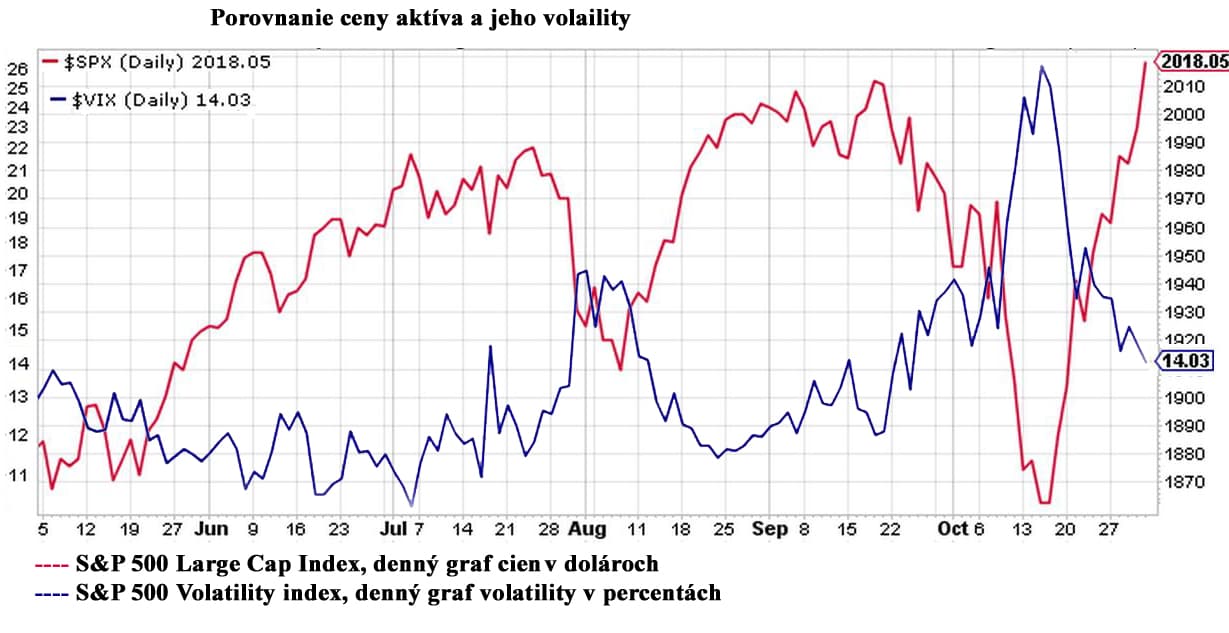
The starting point is what worries Emkay. US two-year and 10-year Treasury yields are about 120 and 100 basis points higher respectively, and Brent crude has risen around 61%. The brokerage also cites 2018, when gridlock was followed by an initial equity decline before a recovery as yields fell sharply, as evidence that divided government alone does not guarantee a rally. A decisive Democratic win could instead bring volatility and sector rotation, it said.
For international investors, Emkay sees the main channel through geopolitics rather than legislation. It expects trade and immigration frictions between India and the US to persist even under a Democratic Congress, since the president retains wide discretion in both areas, and it notes Trump has issued 292 executive orders in his second term, more than any US president in a full term since 1981. The bigger risk it flags is a renewed escalation in the Iran conflict after the vote, which could lift crude prices, worsen India's balance of payments and pressure the rupee and equities.
A softer dollar, lower US Treasury yields and cheaper crude would support Indian equities, Emkay said, while the strategic case for closer US-India ties in defence, technology and cooperation against China remains bipartisan. Any constraints on the White House would not bind until January 2027, leaving Republicans a final window to pass legislation and confirm appointments, the brokerage added. Large deficits and Treasury borrowing are expected to continue, keeping pressure on US bond yields elevated.