Pakistan takes G-24 chair, pledges push for fairer global financial system
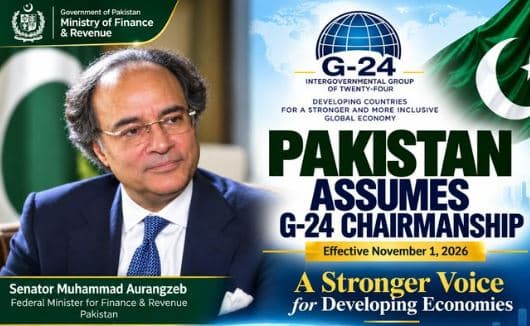
Pakistan has taken over the chairmanship of the Intergovernmental Group of Twenty-Four, with Finance Minister Muhammad Aurangzeb pledging to push developing economies from the margins to the centre of global economic policymaking. "The future of developing economies is not peripheral to the future of the global economy. It is central to it," Aurangzeb said, according to the finance ministry.
The minister set out three priorities for Pakistan's tenure: promoting development-driven growth, expanding developing countries' representation in global decision-making, and reforming the international financial architecture. He said macroeconomic stability should open the way to more investment, higher productivity and job creation, and that low-income countries need support to move beyond recurring crises towards long-term growth.
On institutional reform, Aurangzeb called for more inclusive multilateral frameworks, fairer governance and a greater say for developing economies in decisions that affect them, urging the Bretton Woods institutions to respond more effectively to members' changing needs. The third priority covers accessible and timely financing, sustainable debt management, stronger global financial safety nets, climate resilience and more public and private investment.
He said countries undertaking reforms should get adequate financing and policy flexibility to sustain progress, and that the international system must evolve so developing economies can realise their potential rather than be constrained by outdated structures. Pakistan will run the chairmanship through consultation and consensus, working with members across Africa, Asia, Latin America and the Caribbean alongside the IMF, World Bank and other partners.
Aurangzeb credited Nigeria, the outgoing chair, and said the group's success should be judged by its impact on people's lives and development outcomes rather than statements alone.