Bank of England set to raise rates to 4% as energy costs outrun its forecasts

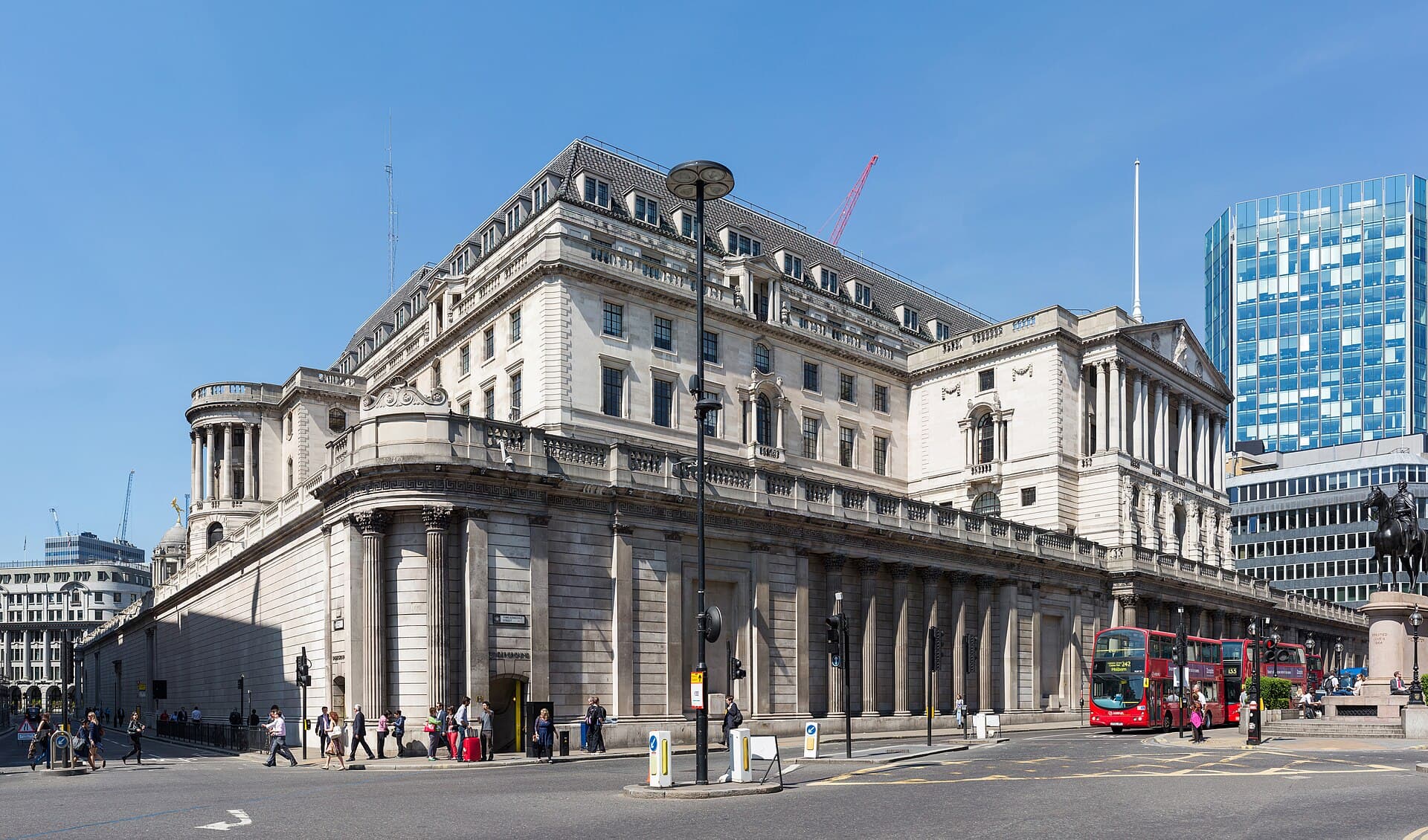
The Bank of England is expected to raise Bank Rate to 4.0% from 3.75% on Thursday, its first increase since August 2023, as energy costs push inflation further above its 2% target. Economists polled by Reuters expect the move, with a 7-2 split on the Monetary Policy Committee, and the decision lands at 1200 GMT with Governor Andrew Bailey holding a press conference at 1230 GMT.
The case has been building. Consumer prices rose 3.5% in the year to September, against the central bank's July forecast of 3.0%, and in September the BoE warned inflation would climb above 4% early next year. It said the jump in energy prices since July bore similarities to its "adverse" scenario, in which inflation risked becoming entrenched. "Their hands are increasingly being forced, whether they like it or not," said Stefan Koopman, senior macro strategist at Rabobank. "At some point, even a committee that would probably rather sit tight has to make good on at least some of what is priced in the market. That time is now."
Bailey has said the BoE cannot wait for conclusive proof of second-round effects, where higher inflation feeds into wage- and price-setting, or it will act too late. But how much evidence is enough has divided the committee, which voted 6-3 to hold rates in September. External members Alan Taylor and Swati Dhingra have stressed spare capacity in the economy as a reason to wait, while hawks including Chief Economist Huw Pill and external members Catherine Mann and Megan Greene have criticised the BoE's handling of the episode. Bailey said last month that businesses he had spoken to seemed to be absorbing higher costs more than in 2022.
The risk for markets is that the BoE signals a lower peak than the 4.75% to 5.0% Bank Rate implied by pricing for three to four more quarter-point hikes in 2027. "While we don't expect a clear steer from the Committee on how many hikes they're planning, it's possible that the meeting minutes or Bailey signal that Bank Rate is unlikely to reach the level that is priced in by financial markets," said Alexander Harvey, UK economist at Oxford Economics. Mann has argued that aggressive bets on hikes reflect a risk premium the BoE exacerbated by adopting a wait-and-see stance after war broke out in the Middle East.
Investors will also weigh the BoE's first assessment of finance minister John Healey's budget, delivered last week, which offered modest support to households and motorists facing higher energy costs, funded partly by a tax on banks. Economists said the measures would only slightly reduce the expected rise in inflation. This time the US Federal Reserve and the European Central Bank have moved first, after the BoE was criticised for underestimating how persistent inflation proved when energy costs last surged.