China's three financial regulators meet banks to prop up a stock market in its worst month since 2016
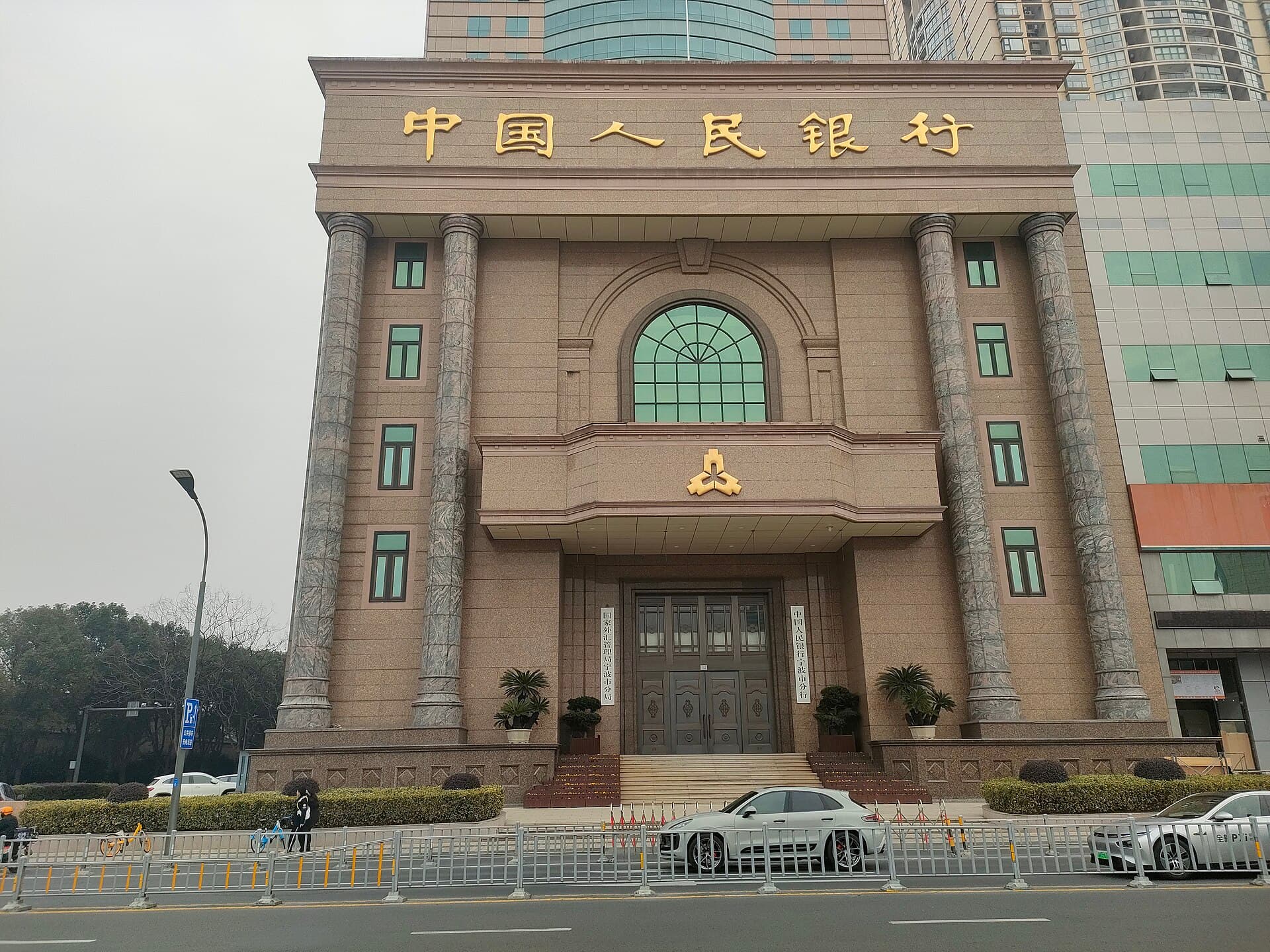
China's three main financial regulators will sit down with banks and securities firms on Monday to work out how to support the country's stock market, after Chinese equities capped their worst month in more than a decade.
The People's Bank of China, the National Financial Regulatory Administration and the China Securities Regulatory Commission will meet major banks to study optimising lending programmes that finance stock buybacks, according to Token Times, which cited Chinese media reports. Securities firms and funds have also been summoned to a Monday morning meeting with the PBOC and CSRC, Token Times reported. Separately, a major state-owned bank plans to raise a lending quota by up to 200 billion yuan for two state asset management firms that form part of the so-called "National Team" buying stocks, according to Token Times.
The CSI 300 Index fell 8.5% in October, sliding into a bear market and dropping for a record 12 straight weeks. The slump has run alongside fresh signs of economic strain: official manufacturing and non-manufacturing purchasing managers' indexes both slipped back into contraction in October. The new quota would exceed the 180 billion yuan first allocated to China Reform Holdings Corp. Ltd. and China Chengtong Holdings Group Ltd. when they joined the programme.
The measures build on steps taken last month, including two liquidity tools the PBOC unveiled in September 2024: a swap facility letting securities firms, fund managers and insurers exchange eligible assets for highly liquid central bank assets, and a relending facility giving banks low-cost funding for buybacks and stake increases by listed companies and major shareholders. Those steps have so far proved insufficient against a weak domestic economy and doubts over AI earnings.
Shen Meng, director at Beijing-based investment bank Chanson & Co., said the meeting would help in the near term but could not by itself change the economy's path. "A sustained improvement in the medium- to long-term outlook would still require structural reforms and supportive fiscal or industrial policies," he said. It remains unclear how much of the latest quota will go straight into buying Chinese stocks, though regulators are clearly trying to push fresh liquidity into the market.