Bangladesh's sukuk lets savers start with Tk 10,000 as Islamic bank doubts grow
Bangladesh's government sukuk open the door to shariah-compliant investing for as little as Tk 10,000, with no stated upper limit, at a time when many savers are questioning whether Islamic banks are the safe home they once assumed. The instruments put investors' money into tangible assets, land or development projects, with returns paid as profit or rental income and the government buying back the ownership stake at maturity.
Getting in takes preparation rather than luck alone. An investor first opens a Sukuk Investor ID through a bank, then applies through that bank when the government issues a tranche; the bank bids at auction on the investor's behalf. Because individual and institutional buyers compete for each issue, an application does not guarantee an allotment, and exiting before maturity can be complicated, so investors should commit only money they can leave in place.
Islamic banks remain the best-known route, offering fixed-term deposits from three months to several years, and conventional banks run shariah-supervised windows for customers who prefer a sound institution outside the Islamic banking sector. Profit rates at banks are currently relatively low, which has pushed savers towards sukuk and funds. Doubts about Islamic banking have grown after money was siphoned from such banks under the Awami League government and after lending irregularities raised questions about how closely some institutions followed Islamic principles; responsibility for those failures rests with their shariah boards, directors and management, not with ordinary depositors.
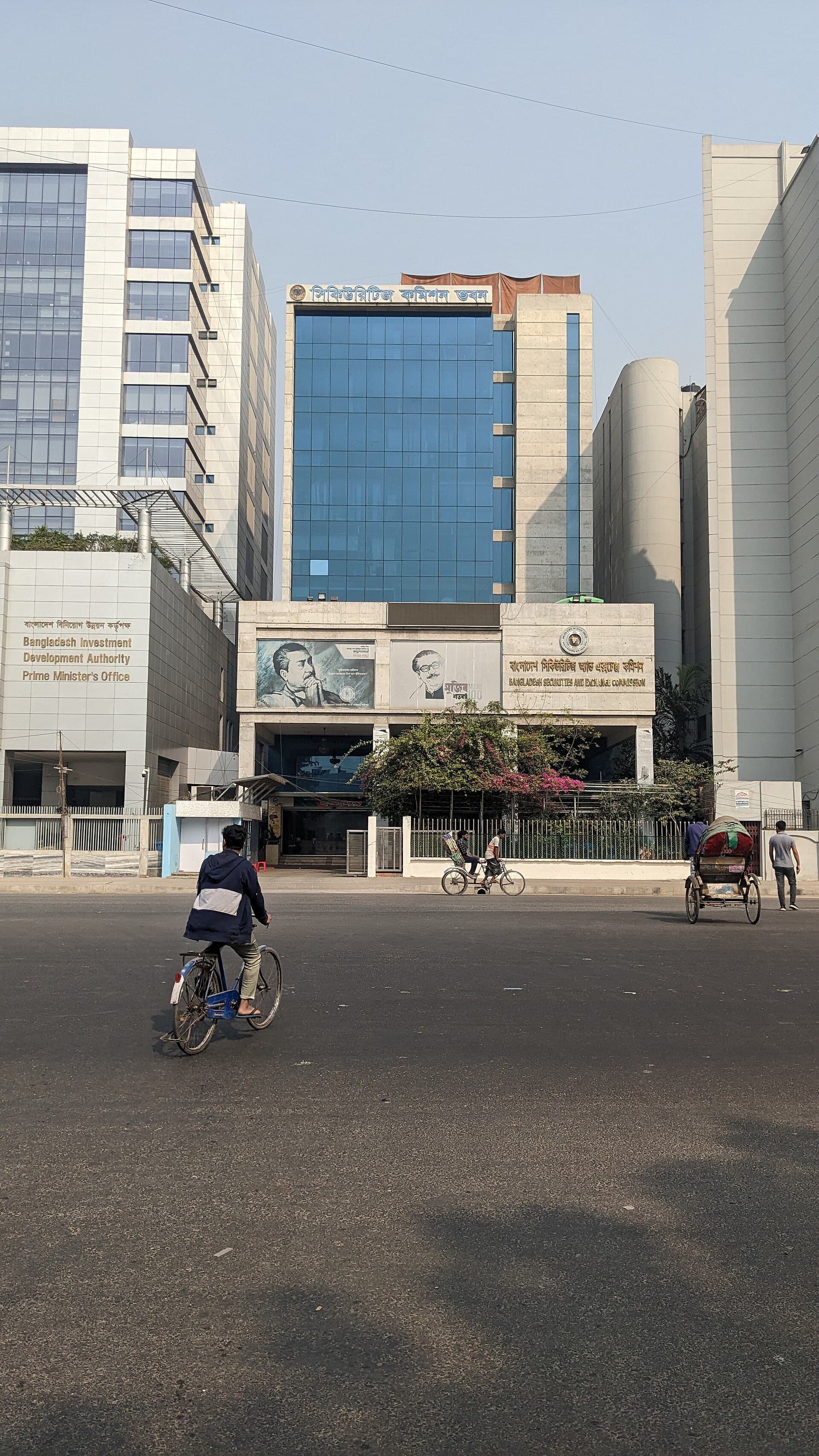
Shariah-based open-end mutual funds from IDLC, Prime Bank, Shanta, EDGE, ICB, Sandhani and Asian Tiger Asset Management invest in compliant stocks and sukuk and let investors redeem units when they choose, at the cost of market risk. Past misconduct by a handful of fund managers, including money allegedly directed into unsuitable assets to serve managers' personal interests, has left investors wary, but the Bangladesh Securities and Exchange Commission has strengthened trustees' duties to oversee where fund money goes, and trustees now monitor more closely.
Corporate sukuk, crowdfunding and alternative platforms, and land round out the options, each with its own catch: corporate issues appear only when a company chooses to raise funds, some small businesses that borrowed through platforms failed and could not repay, and property can be slow to turn into cash. Shariah-compliant investing requires accepting loss alongside profit, so allocation should follow risk appetite, objectives and time horizon, with fund managers chosen for reputation and a consistent record.