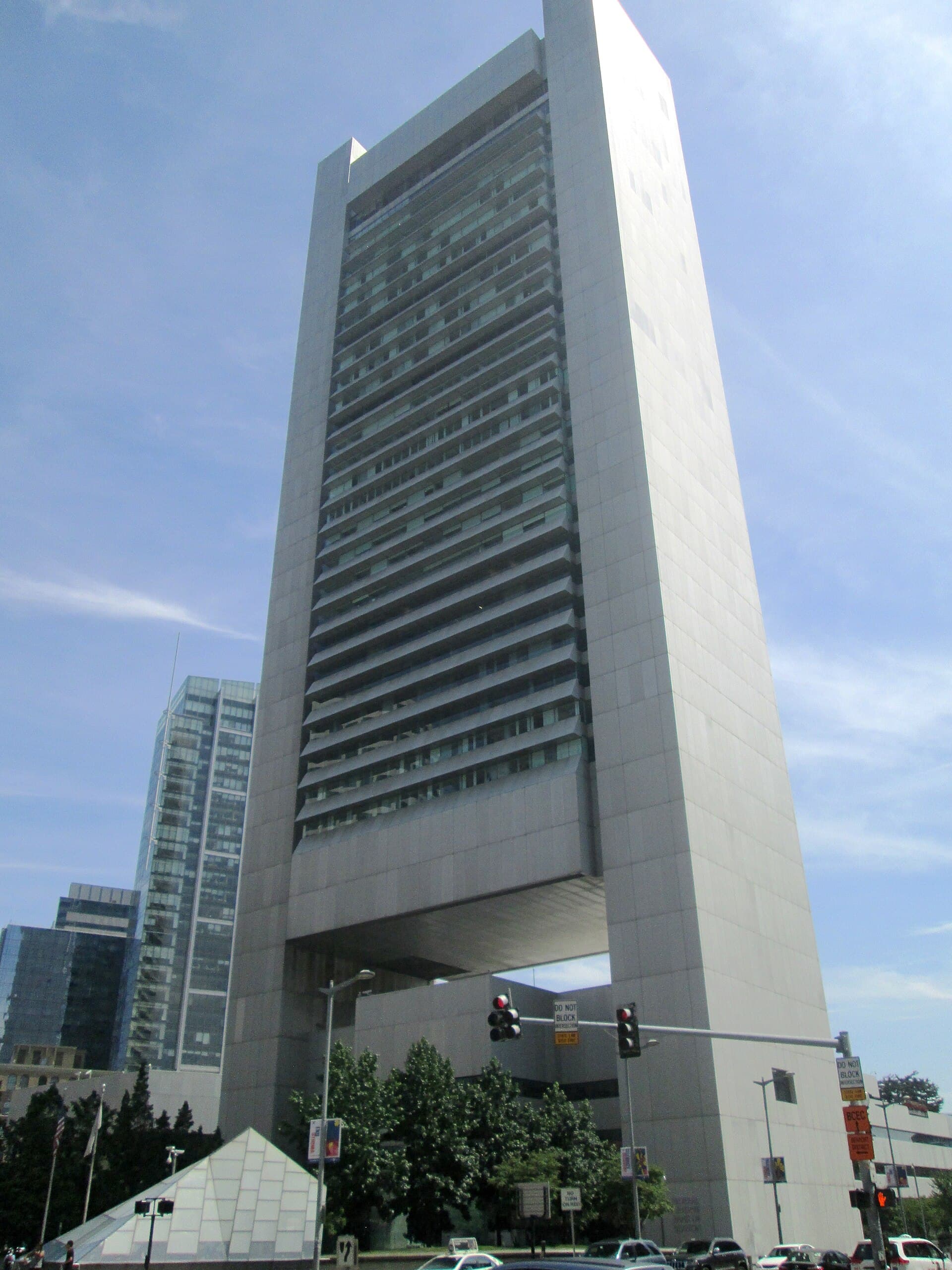
Boston Fed's Collins backs steady, gradual rate rises as risks cut both ways
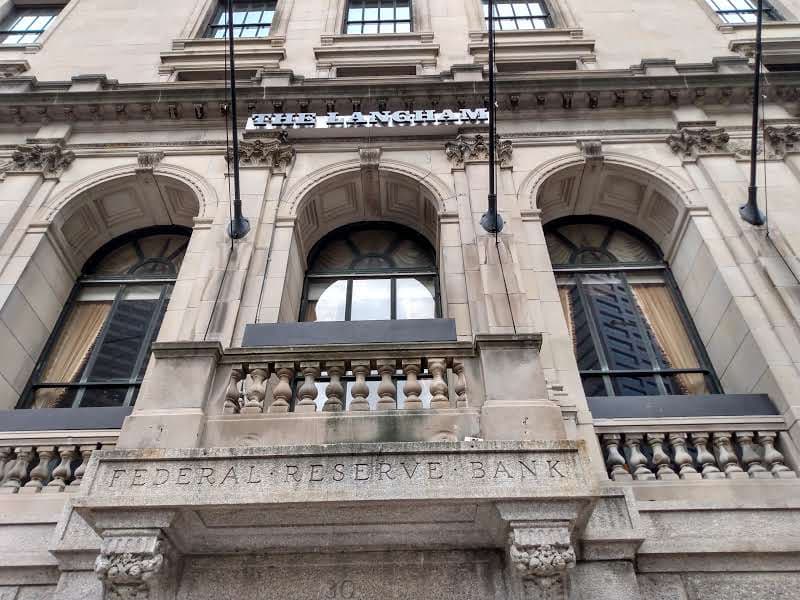
Federal Reserve Bank of Boston President Susan Collins wants the US central bank to keep raising interest rates in small, steady steps rather than move aggressively against inflation, saying the risks facing the economy run in both directions.
"My current view is that a kind of steady, gradual approach for monetary policy is appropriate," Collins told reporters at a conference hosted by her bank. She said the risks on the real side of the economy were "two-sided", with implications for both the Fed's employment and inflation mandates.
That two-sided reading is the core of her argument: because the dangers are not all tilted one way, she said, it argues against taking aggressive action to target high levels of inflation.
Collins was speaking in her role as a participant in the Fed's rate-setting discussions, adding her voice to the debate over how fast the central bank should tighten. She also said more rate increases are coming.
The remarks point to a preference for measured, predictable moves over sharp jumps as the Fed weighs inflation against the health of the wider economy.
What it means for Pakistan: For Pakistan, the pace of US rate rises feeds directly into the rupee's outlook and the cost of external financing. A gradual Fed path tends to ease pressure on the dollar, which matters for importers, for the State Bank of Pakistan's reserves management and for Pakistan's dollar-denominated borrowing costs. A faster tightening cycle would do the opposite, strengthening the dollar and raising the price of servicing external debt.