Brazil hands over COP30 presidency but keeps climate agenda on track for Antalya
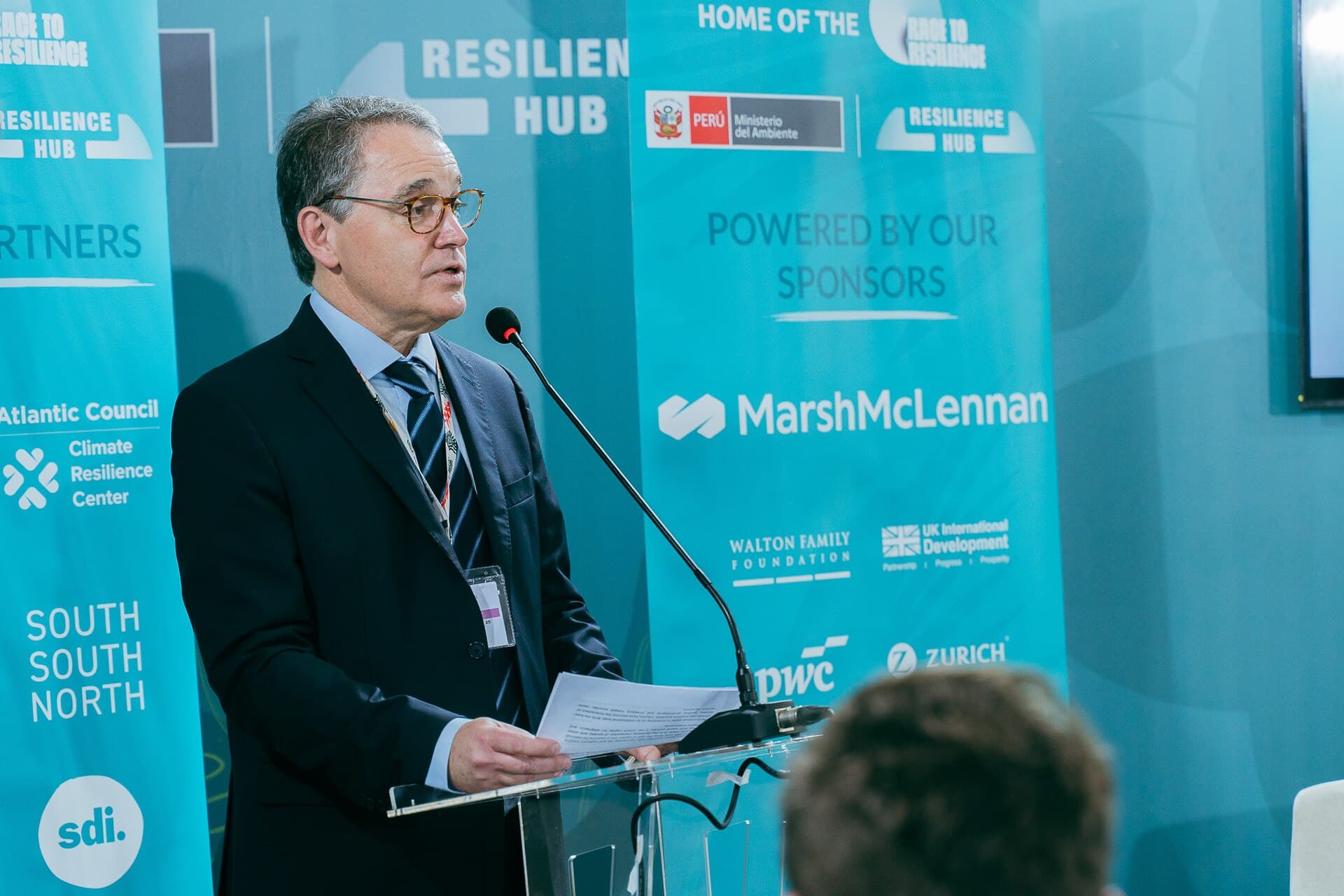
Brazil will hand over the COP30 presidency next week, but its climate champion says the agenda built in Belém will keep running on economic self-interest rather than political goodwill. Dan Ioschpe told an event at the B3 exchange in São Paulo on Wednesday that decarbonisation is now a competitiveness question, and that companies and city governments are pushing it forward regardless of who holds power in Washington.
His remarks came a day after US midterm elections handed control of the House and Senate to the Democrats, a result that may favour the environmental agenda but whose effect on American climate policy still depends on the White House and Congress. Ioschpe said he was not counting on politics either way. "Don't be fooled by political questions. I have many positive examples of solutions in the US, of positive economic development," he said, pointing to the strong turnout of US mayors, state governments and companies at COP30 in Belém.
He expects that presence to grow at COP31 in Antalya, Turkey, which runs from 9 to 20 November. "In Antalya it should be even bigger, regardless of each country's political cycle. It is a competitive environment of socioeconomic development and nobody wants to be left out," he said. Treating decarbonisation as only an environmental obligation was, in his view, a failure of the business model: "Supposing there will be a market and room for innovation in an unsustainable environment is unlikely and even fictional."
The Brazilian presidency used Tuesday to publish two of the global roadmaps it had promised: one to accelerate the shift away from fossil fuels, the other to halt and reverse deforestation and forest degradation by 2030. A Brazilian national plan is still outstanding. Ioschpe said the acceleration plans and roadmaps structured during Brazil's presidency have been taken up by COP31 and that countries agreed in Belém to keep the model for the next five years. "We will hand over the baton of the COP30 presidency, but Brazilian leadership in the process is unequivocal," he said, adding that President Lula will attend the first week in Antalya to defend the Belém legacy.
At the same B3 event, the exchange updated its ESG index portfolios for 2026. Thirty-three companies now sit simultaneously in the Corporate Sustainability Index (ISE B3), the Diversity Index (IDIVERSA B3) and the Carbon Efficient Index (ICO2 B3), about 8% of listed companies. Azzas 2154, Copasa, Dexco, Pague Menos, Porto Seguro, Riachuelo, Ultrapar, Vibra and Yduqs joined all three for the first time. "It is a select group at the forefront of sustainability," said Virginia Nicolau, B3's sustainability superintendent, who said the indices also underpin financial products that let investors direct money on those criteria. "The message today is one of consistency. We may have political cycles that are more or less inclined, but the work connected with companies and investors remains."
What it means for Pakistan: Pakistan's own climate finance pipeline leans on the same machinery Ioschpe describes: the Securities and Exchange Commission of Pakistan has been building out green bond and ESG disclosure frameworks, and Pakistani exporters selling into European supply chains face the same pressure B3's index rules formalise for Brazilian listed companies. A COP process that keeps moving through political cycles matters for a country that depends on multilateral climate funds and on remittance-linked investment in clean energy.