CFTC opens US-regulated exchanges to perpetual futures on individual stocks

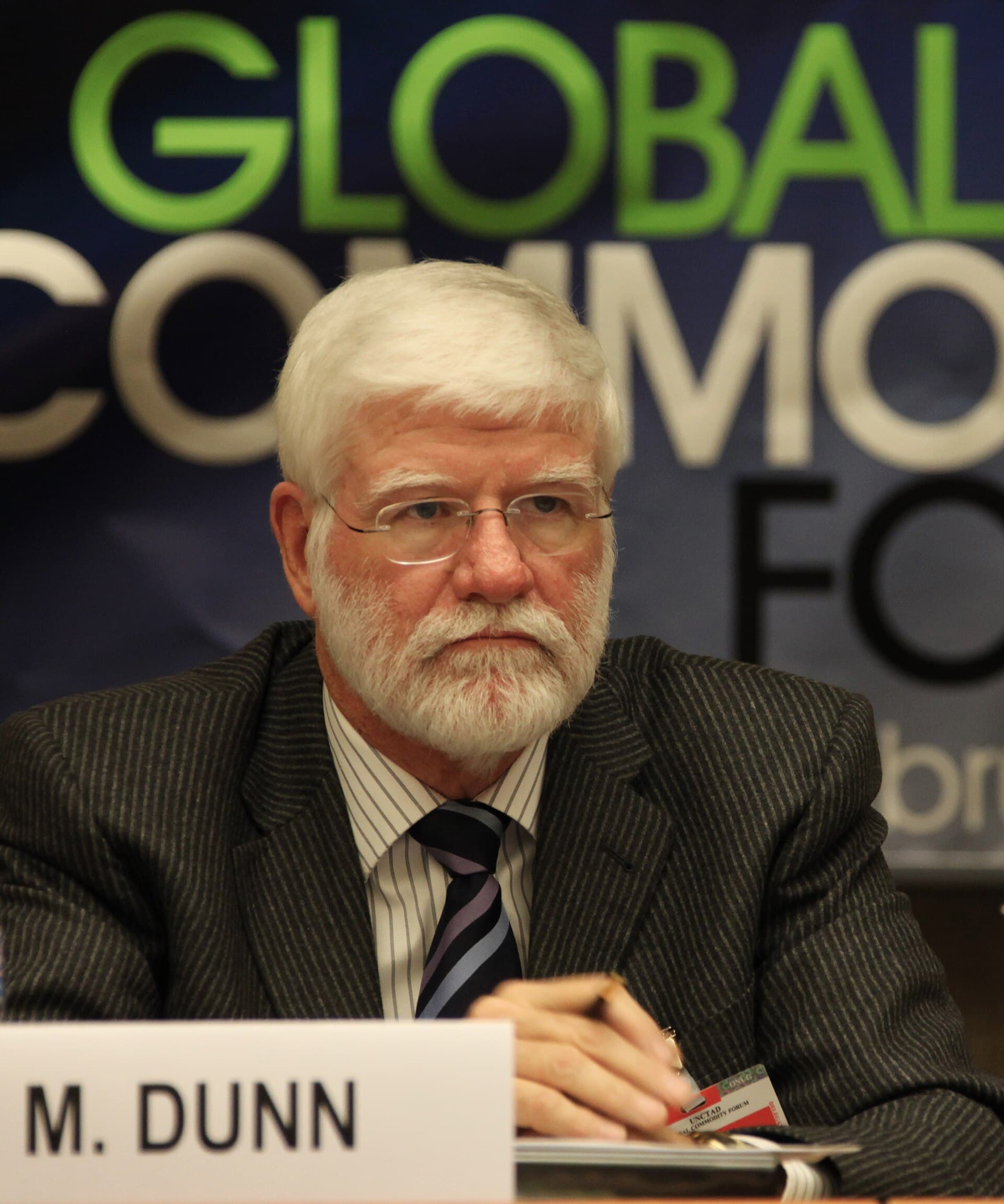
Perpetual futures on individual stocks can now trade on US-regulated exchanges for the first time, after the Commodity Futures Trading Commission deemed the contracts approved as security futures products under Commission Regulation 40.3. CFTC Chairman Michael S. Selig called them "Equity Perps" and said the expansion lets US market participants use perpetual futures without turning to "offshore, and often unregulated, venues."
The contracts may list only on exchanges that hold both a CFTC designated contract market registration and a notice registration with the Securities and Exchange Commission as a national securities exchange for security futures. The CFTC statement named no exchange, listed no contracts and set no launch date; those details are expected to come from the designated contract markets themselves. The products fall under the Commodity Exchange Act, federal securities law and the rulebooks of both agencies.
Perpetual futures have no expiry date. Instead of settling on a fixed day, longs and shorts exchange periodic funding payments that keep the contract price tied to spot, a structure that has dominated crypto derivatives for years, mostly on platforms outside US jurisdiction. The CFTC approved the first US-listed bitcoin perpetual, Kalshi's BTCPERP, on May 29, and Kalshi went live soon after; the same day staff granted no-action relief letting Coinbase Financial Markets route US clients into offshore perp and options liquidity. Kalshi added gold and silver perpetuals in September. Selig described the equity contracts as an extension of that May decision "beyond digital commodities and into traditional securities."
The legal basis is older: the Commodity Futures Modernization Act of 2000 created a joint CFTC-SEC regime for security futures products, and the two agencies signed a memorandum of understanding on March 11 to coordinate rulemaking and enforcement. Selig cited both, and repeated SEC Chairman Paul S. Atkins's description of security futures as stranded in a regulatory "no man's land" for lack of harmonisation. Not everyone accepts the CFTC's reading: CME Group sued the agency in June over the Kalshi approval, arguing that a contract built on exchanged funding payments is a swap under Dodd-Frank, not a future, and that case is pending. An equity version adds the SEC's jurisdiction to the mix and may draw new objections from securities-side participants.
The approval lands five days after the largest theft in crypto's history. On Oct. 29, attackers that TRM Labs and Chainalysis link to North Korea's TraderTraitor group drained about $6.3 billion from Binance's hot wallets in roughly 20 minutes. Binance reopened withdrawals on Sunday and says it has replenished about 95% of affected assets. Selig used the breach to press the case for the agency's October proposal, an advance notice of rulemaking that would create a voluntary federal registration path for crypto exchanges with cybersecurity, proof-of-reserves and custody requirements; he has said the CFTC cannot make that registration mandatory without Congress. The equity perp approval works from the same premise: moving perpetuals onto dual-registered US exchanges puts the margin, clearing and surveillance rules of two federal agencies around them.
What it means for Pakistan: The CFTC's move gives Pakistani traders a regulated onshore alternative to the offshore perpetual futures venues they have used for crypto, but it does not open those US platforms to them directly. For Pakistan's own market, the decision is a template: PVARA's licensing framework for virtual asset service providers and the SECP's work on digital assets will face the same question of whether derivatives built on funding payments are futures or swaps, and whether local investors should be routed to regulated venues rather than offshore ones. The $6.3 billion Binance breach Selig cited is also a reminder for Pakistani users of offshore exchanges that custody and cybersecurity rules are the gap a domestic regime would have to close.