IMF lifts Oman 2026 growth forecast to 4.5 percent as surpluses stay robust
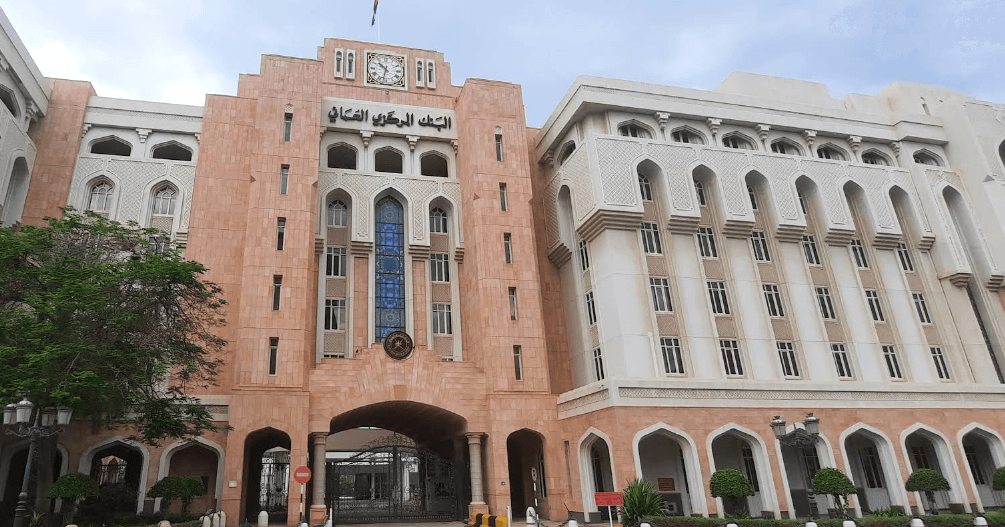
Oman's economy will grow 4.5 percent in 2026, the International Monetary Fund now projects, upgrading its own October estimate of 4.1 percent and a June forecast of about 3.7 percent as stronger hydrocarbon activity lifts the sultanate's headline numbers.
The revision followed Article IV consultation talks in Muscat from October 25 to November 8, led by mission chief Abdullah AlHassan. The Fund said the economic outlook remains favourable despite heightened uncertainty, pointing to strong logistics activity and prudent policies for helping Oman withstand disruption from regional geopolitical developments. Real GDP already grew 3.8 percent in the first half of 2026, though nonhydrocarbon activity is expected to expand just 1.4 percent as construction, manufacturing and tourism-related sectors lag.
The fiscal picture is stronger still. The surplus reached 1.9 percent of GDP in the first half, and the IMF expects it to average around 5.3 percent of GDP across 2026 and 2027 combined, with the current account at roughly 6.5 percent of GDP this year. Public debt fell to 30.4 percent of GDP at the end of June 2026, down from 34.7 percent at the end of 2025, a trajectory that helped Fitch lift Oman to investment grade in December 2025.
Inflation has picked up, averaging about 3 percent year on year from January to September, against 1 percent in 2025, on higher food and transport costs. The IMF expects 3 percent for the full year before easing toward 2 percent over the medium term, a sharp change from its April projection of 1.7 percent. It still backs the Omani rial's peg as a credible monetary anchor and urged progress on the Monetary Policy Enhancement Project, including an interest-rate corridor and an overnight rial standing deposit facility.
The Fund said banks are well capitalised, liquid and profitable, with limited direct exposure to conflict-hit sectors, and called for the 2025 Financial Sector Assessment Program recommendations to be implemented in full. It advised that any further household or business support tied to the regional conflict stay temporary, targeted and transparent, and that oil windfalls go to rebuilding buffers while tax administration, public investment efficiency and subsidy phaseouts are strengthened under Vision 2040.