PDP urges full use of Sindh wind corridor as 1,750MW curtailed
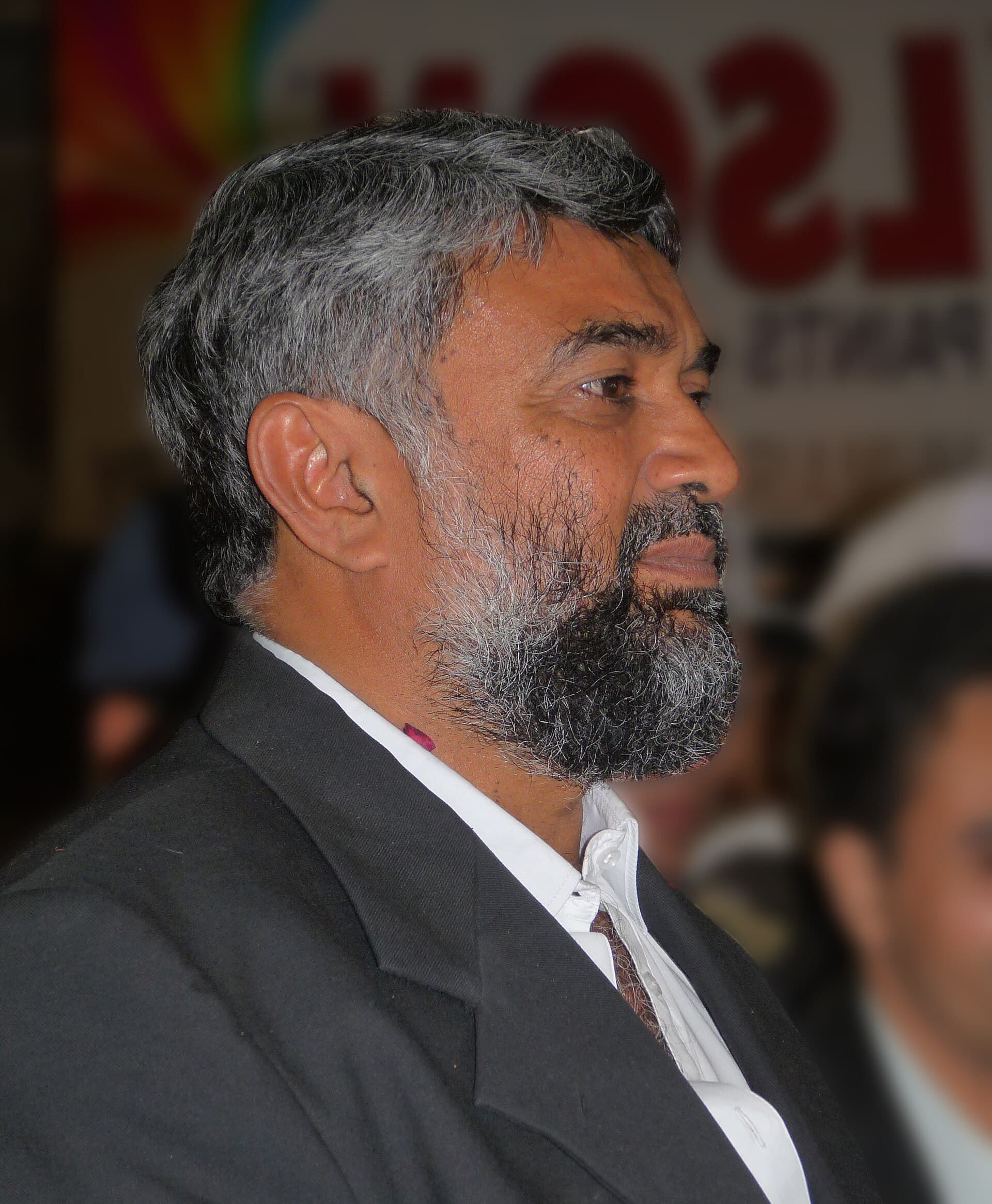
Pakistan is curtailing up to 1,750 megawatts of southern wind power even as it spends billions of dollars on imported RLNG and coal, Pasban Democratic Party (PDP) Chairman Altaf Shakoor said on Sunday, calling for the full utilisation of Sindh's Gharo–Jhimpir–Keti Bandar wind corridor.
Shakoor said the corridor, about 90 kilometres from Karachi, has proven potential to generate over 50,000MW of clean electricity — larger than Pakistan's entire installed generation capacity of around 49,651MW as of FY 2025-26. Yet total installed wind capacity stands at only about 1,838MW across 36 commercial projects, against an economically viable potential of at least 11 gigawatts and technically exploitable capacity of up to 50GW.
"Grid managers routinely curtail up to 1,750 MW of southern wind power due to transmission bottlenecks, leaving 491.89 GWh of renewable energy completely unutilised in a single year," Shakoor said. He argued that each additional 1,000MW of wind capacity could avoid roughly USD100–200 million a year in fuel imports, and that scaling toward the corridor's 11GW viable potential could save well over USD1 billion annually while attracting private investment without sovereign guarantees.
He pointed to the World Bank-backed USD375.9 million grid upgrade, designed to bring 640MW of currently curtailed wind onto the system and enable full transmission of 1,840MW from southern Pakistan, as evidence that targeted infrastructure spending can unlock large returns. He also flagged the 660kV Matiari–Lahore direct current line, which he said has been operating at an average capacity factor of only 35 per cent.
Shakoor warned that inconsistent policy signals and repeated contract renegotiations have eroded investor confidence. He said the Federation of Pakistan Chambers of Commerce & Industry has demanded "must-run" status for wind power, accountability for grid operators over transmission upgrade failures, and reformed compensation mechanisms to protect investors from curtailment losses. He called on the Ministry of Energy, NEPRA and the National Grid Company to enforce priority dispatch for wind, accelerate transmission upgrades and create a stable policy environment.