Philippines central bank holds firm on inflation as growth slows to 2.1%
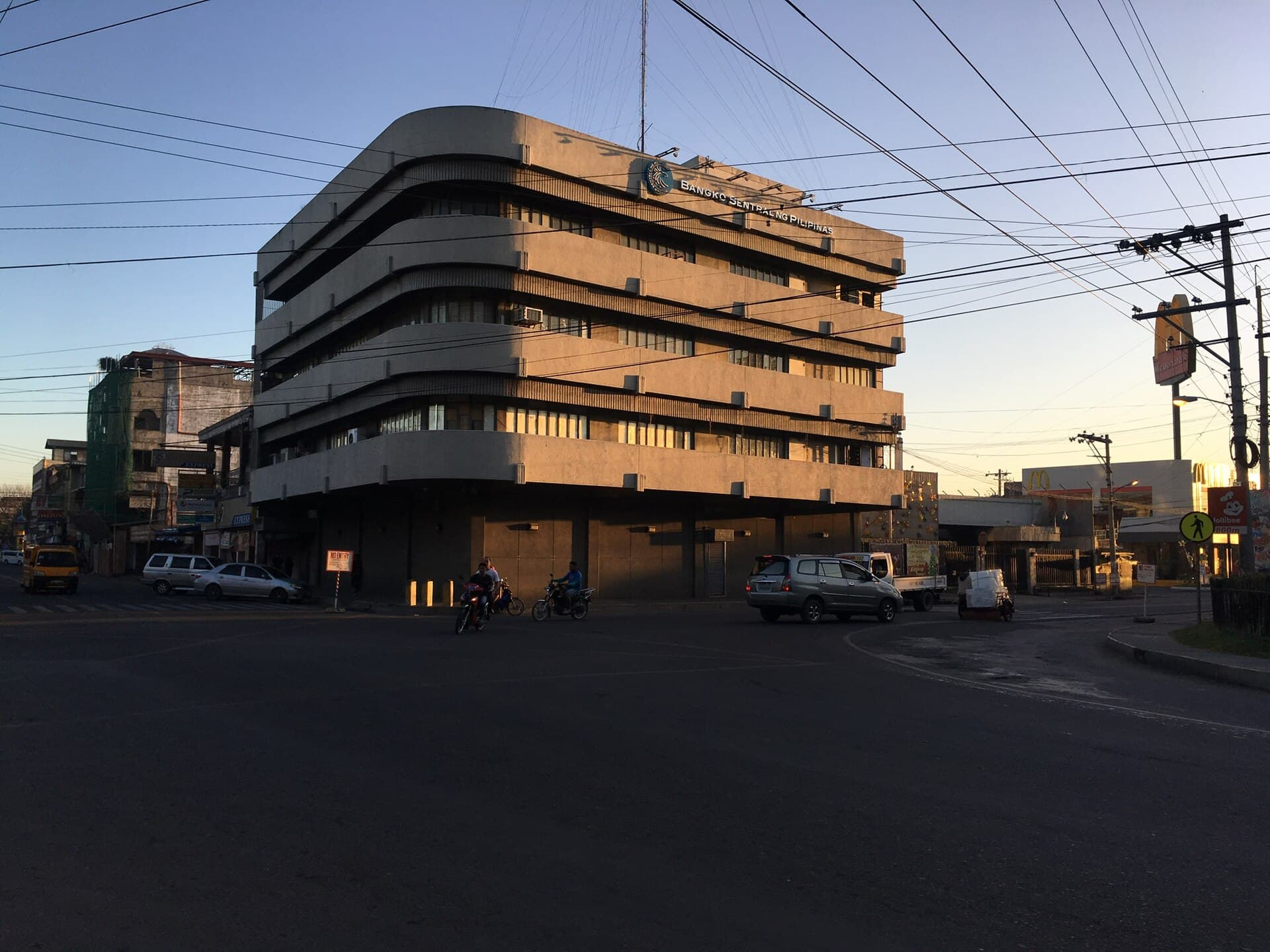
The Bangko Sentral ng Pilipinas is holding its ground on inflation even as the economy stumbles. Gross domestic product grew just 2.1% in the July-to-September quarter, the weakest reading since the pandemic and, outside it, the slowest expansion in almost 17 years.
Inflation is the reason. Headline inflation hit a near four-year high of 7.8% in October, driven by energy costs that pushed up fuel, transport and utilities, and has averaged 5.6% so far this year. The BSP raised its key policy rate by 50 basis points last month to 5.5%, a near two-year high, taking cumulative increases to 125 basis points since April.
"In the face of a difficult combination of elevated inflation and slowing economic growth, the BSP remains determined to fulfill our mandate of pursuing price stability conducive to sustained and balanced growth," the central bank said in a statement. It said it weighs the weakness in aggregate demand but is also mindful of preventing inflation expectations from coming loose.
Economy Secretary Arsenio M. Balisacan said the impact of the rate hikes will be felt over the coming months, though he argued tightening is "not necessarily bad for growth" because taming inflation should eventually lift consumption and investment. Growth averaged 2.5% over nine months, well below the government's 3.5%-4.5% full-year target.
Moody's Ratings flagged a further risk: the Philippines, as a large net food importer, is among the emerging economies most exposed to El Niño-driven food price pressures. The BSP projects inflation of 6.1% this year, 6% next year and 3.3% in 2028, and meets to set rates on Dec. 17.