
Pimco warns AI build-out could hit $10tn in five years, near the size of the US bond market
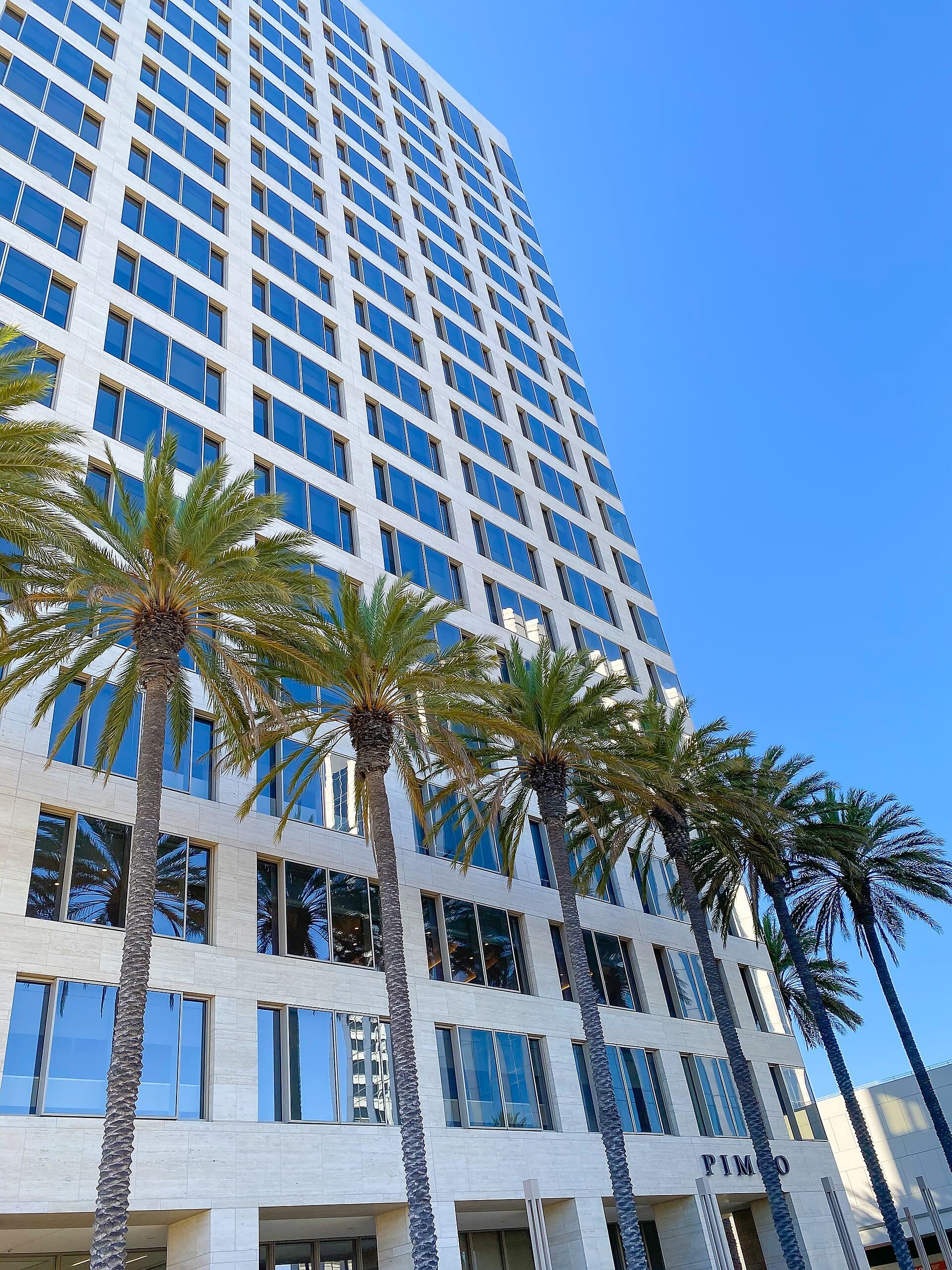
Investment in artificial intelligence infrastructure could reach US$10 trillion over the next five years, Pimco chief executive Emmanuel Roman told a Hong Kong investment summit, a figure close to the US$12 trillion US bond market and one that raises hard questions about where the money and the electricity will come from.
Roman's warning was part of a wider caution from executives at global asset managers and investment banks, who said the AI boom is generating unprecedented demand for capital and infrastructure and that debt markets, power grids and corporate productivity may struggle to keep pace with the technology's expansion.
"At some point it's going to be too much," one of the financiers warned, according to Token Times, framing the central question for investors: whether the financing structures being built to fund data centres and computing capacity can absorb spending on that scale without strain.
The concern lands on two fronts. On the capital side, the sums involved would make AI infrastructure one of the largest destinations for global savings, rivalling the deep and liquid US Treasury market. On the physical side, the power needed to run and cool vast computing clusters is testing electricity networks that were not planned for demand of this kind.
For asset managers, the debate is no longer whether AI will reshape the economy but whether the financial system can fund the build-out without creating new vulnerabilities in credit markets, and whether the productivity gains arrive fast enough to justify the borrowing.
What it means for Pakistan: Pakistan is not a player in the AI infrastructure build-out the summit discussed, but the financing question matters to its investors and regulators: global asset managers reallocating capital towards AI-related debt and equity could tighten the availability of foreign investment for emerging markets, including Pakistan's bond and equity markets. The country's own power grid constraints, a recurring theme in its industrial policy, mirror the infrastructure bottleneck the executives flagged, though Token Times found no Pakistani official reaction to the summit's warnings.