Scammers filed fake SEC forms to sell a $130m crypto 'fund', regulator says
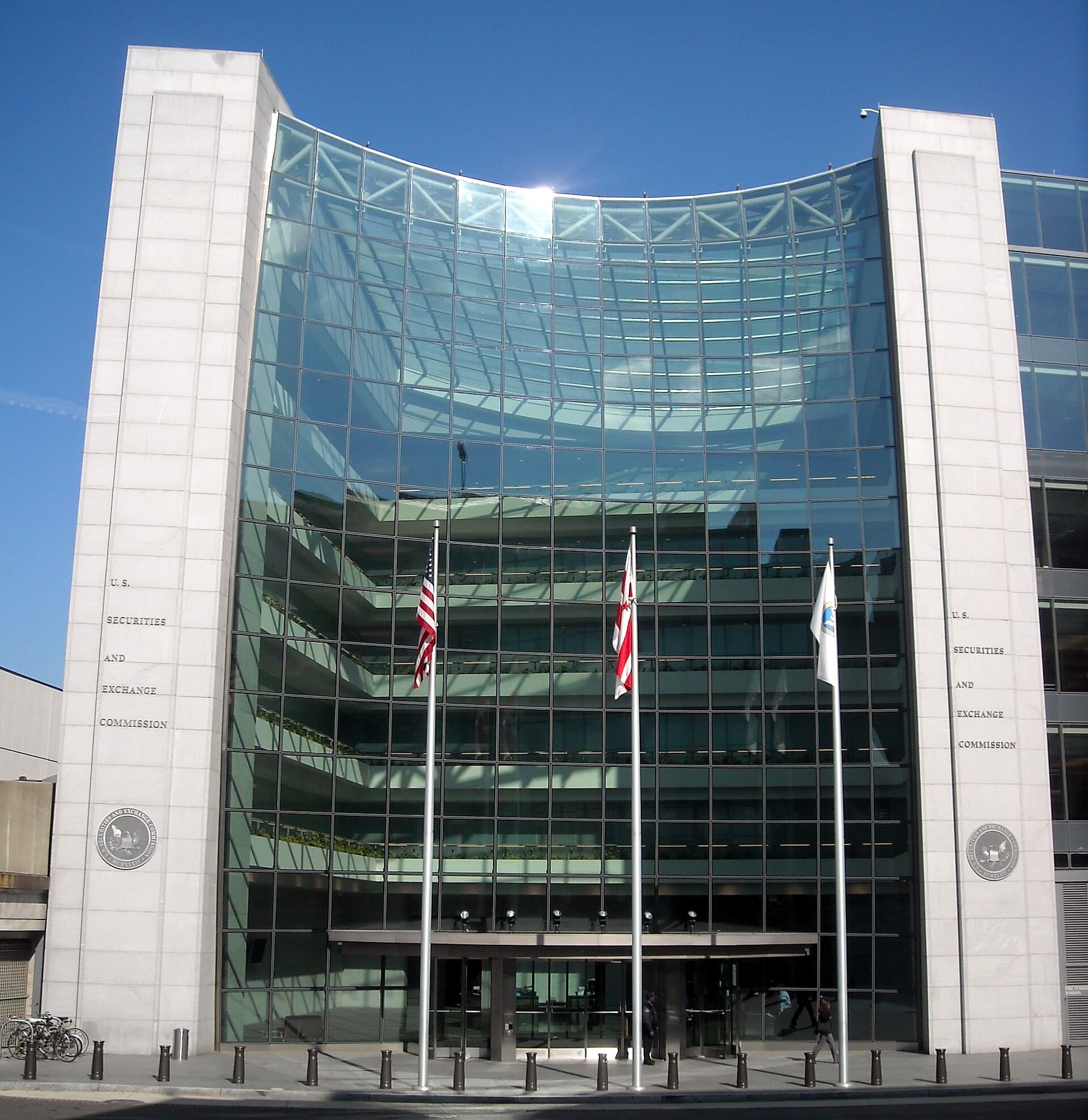
Two crypto promoters turned the US Securities and Exchange Commission's own public databases into a sales pitch, according to the regulator, filing documents that made them look government-approved before raising more than $130 million from tens of thousands of investors.
The SEC said in an announcement that BG Wealth Sharing submitted a Form ADV claiming exempt reporting adviser status, while DSJ Exchange filed a Form D announcing a purported $100 million securities offering. Both records went live on the agency's Investment Adviser Public Disclosure system and EDGAR database, and the promoters allegedly directed prospective investors to those government-hosted pages as proof of legitimacy. The companies also produced fabricated registration certificates bearing the SEC's seal, the regulator said. Neither firm was registered with or licensed by the SEC, and filing the forms did not constitute approval.
The pitch was stark: monthly returns of at least 60% and a doubling of money within 40 days without risk, according to the SEC. BG Wealth described itself as the world's largest hedge fund and an SEC-licensed adviser, claiming trading technology with 99.6% accuracy, while DSJ Exchange showed what investigators called fictitious trades and growing account balances. The SEC alleges the trading was invented and most deposits were diverted. It says the defendants took in more than $130 million from over 223,000 blockchain addresses between March and early June 2026, returning no more than $25 million in Ponzi-like payments while losses exceeded $100 million.
Recruitment ran through social media, encrypted messaging, weekly video conferences and referral incentives, the SEC said. Investors who tried to withdraw were allegedly charged fees of up to 20% and faced delays before access was cut altogether; the defendants then demanded extra tax payments and pushed users towards another platform, HQI Exchange, without restoring withdrawals.
The SEC has removed both filings from its websites and sued in the Northern District of California, seeking permanent injunctions, civil penalties and repayment of allegedly unlawful gains with interest. It also wants BG Wealth barred from filing future Form ADV exempt reporting adviser notices. The case turns on a gap familiar to anyone who reads EDGAR: a filing is a disclosure, not a licence, and the regulator is now asking a court to make that distinction costly.