Shehbaz orders banks to accept export data, digital invoices as SME loan collateral
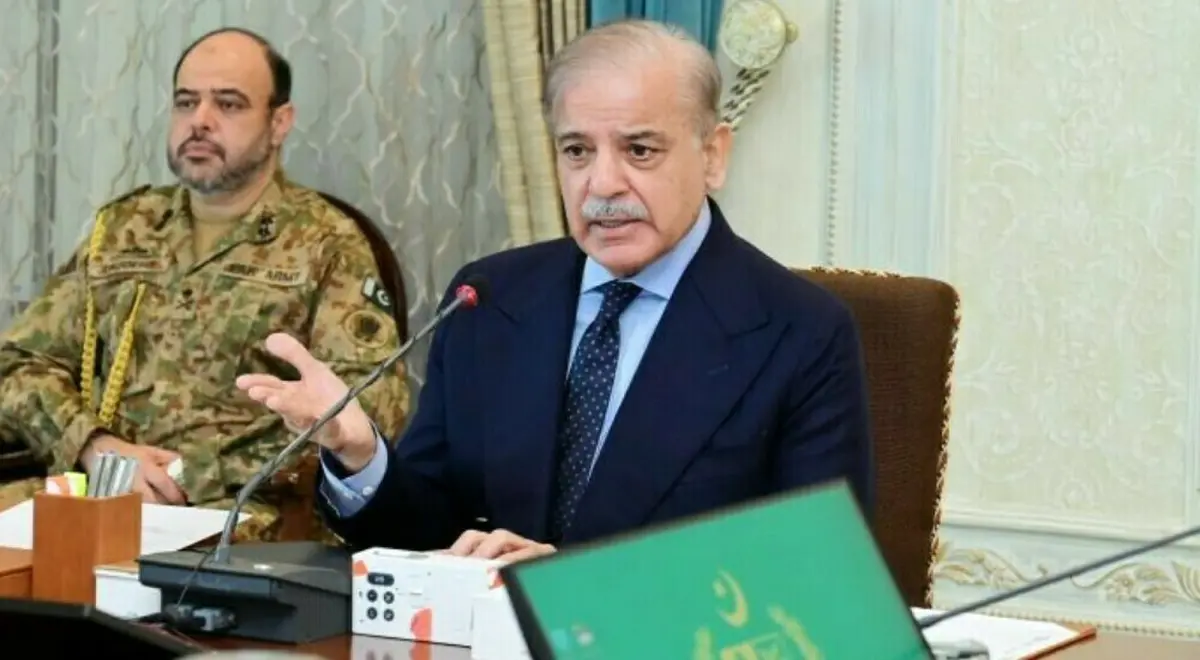
Prime Minister Shehbaz Sharif has ordered a rewrite of the rules banks use to judge small business loan applications, directing that export records, supply-chain participation, Exim Insurance cover and digital invoicing be accepted as alternative collateral.
Chairing a high-level meeting in Islamabad on SME credit access, he also called for business cash flow to count as an alternative eligibility criterion and for a review of the prudential regulations governing bank lending to the sector. Banks should pull data already held by government institutions to speed up disbursement, he said, and should back SMEs with Letters of Credit and bank guarantees as well as loans.
The prime minister called SMEs the "backbone" of Pakistan's economy, saying easier finance would expand economic activity, create jobs and promote entrepreneurship. He asked for effective guidance for smaller firms on accessing financial resources, preparing business documentation and capitalising on export opportunities, and said banks that hit their SME lending targets would be encouraged and rewarded.
The meeting was told banks are strengthening their institutional capacity to accelerate SME lending. They committed to providing Rs2,000 billion in loans to SMEs by June 2028 and lifting the number of SME borrowers to 775,000, including Rs886 billion in new loans and facilities for 449,000 new borrowers.
Finance Minister Muhammad Aurangzeb said on November 19 that the aim is to nearly double SME financing to Rs2 trillion by June 2028, noting that SMEs account for 90% of businesses, 40% of GDP, around 20% of exports and about 78% of non-farm employment. Pakistan Banks Association Chairman Zafar Masud has put current SME financing at Rs1.2 trillion, up from around Rs490 billion two years ago, with borrowers rising from 200,000 to 350,000. The meeting was attended by State Bank of Pakistan Governor Jameel Ahmad and the chief executives of the National Bank of Pakistan, Bank Alfalah and the Bank of Punjab.