UK inflation climbs to 3.6% as energy bills and fuel costs bite
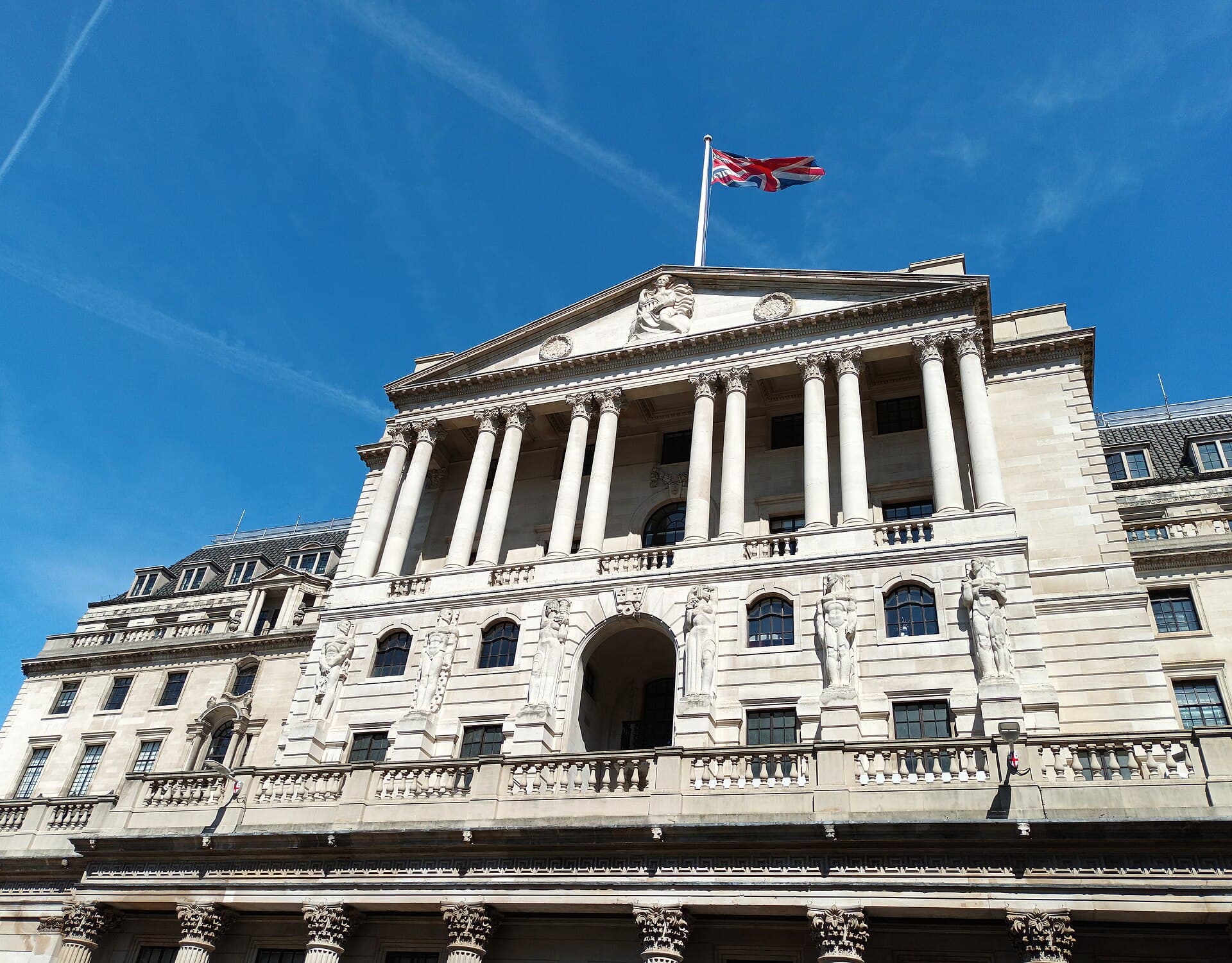
UK inflation rose to 3.6% in the year to October, its highest in a year and a fourth consecutive increase, as higher household energy bills and motor fuel costs fed through to consumer prices, the Office for National Statistics said on Wednesday. The reading matched economists' expectations but came in slightly below the Bank of England's forecast of 3.7%.
The pound slipped 0.2% on the day to US$1.3182 after the data as traders pared bets on further rate rises, with swaps implying 90 basis points of additional tightening by the end of 2027. Services inflation, watched closely by the Bank for domestic price pressures, held at 3.7%, and core inflation, which strips out energy, food, alcohol and tobacco, stayed at 2.8%.
"Today's slightly softer headline inflation data make a December interest rate hike less likely, but it does little to change the broader outlook," said David Rees, chief economist at Schroders. The Bank raised rates for the first time in three years earlier this month to counter inflationary pressure from the war in Iran, and policymakers signalled they are ready to act again as soon as December if needed.
The figures partly reflect a 4% rise in the price cap on British household energy bills and higher fuel costs for drivers, only partly offset by slower price gains at restaurants and hotels. "This remains primarily an energy-driven inflation shock rather than evidence of broad-based price pressures across the economy," said Yael Selfin, chief economist at KPMG UK.
Food inflation slowed to 0.8% from 1.2%, helped by cheaper fish and chocolate, while restaurant and hotel price growth eased to 3.4% from 3.8%. Households remain under pressure: real-terms pay fell for the first time since 2023 earlier this week, and Prime Minister Andy Burnham's £100 payment to millions of homes, announced at the October budget, faces erosion from another large energy price cap increase in January.