US cyber outages hit NSA, airlines and banks in a week of failures
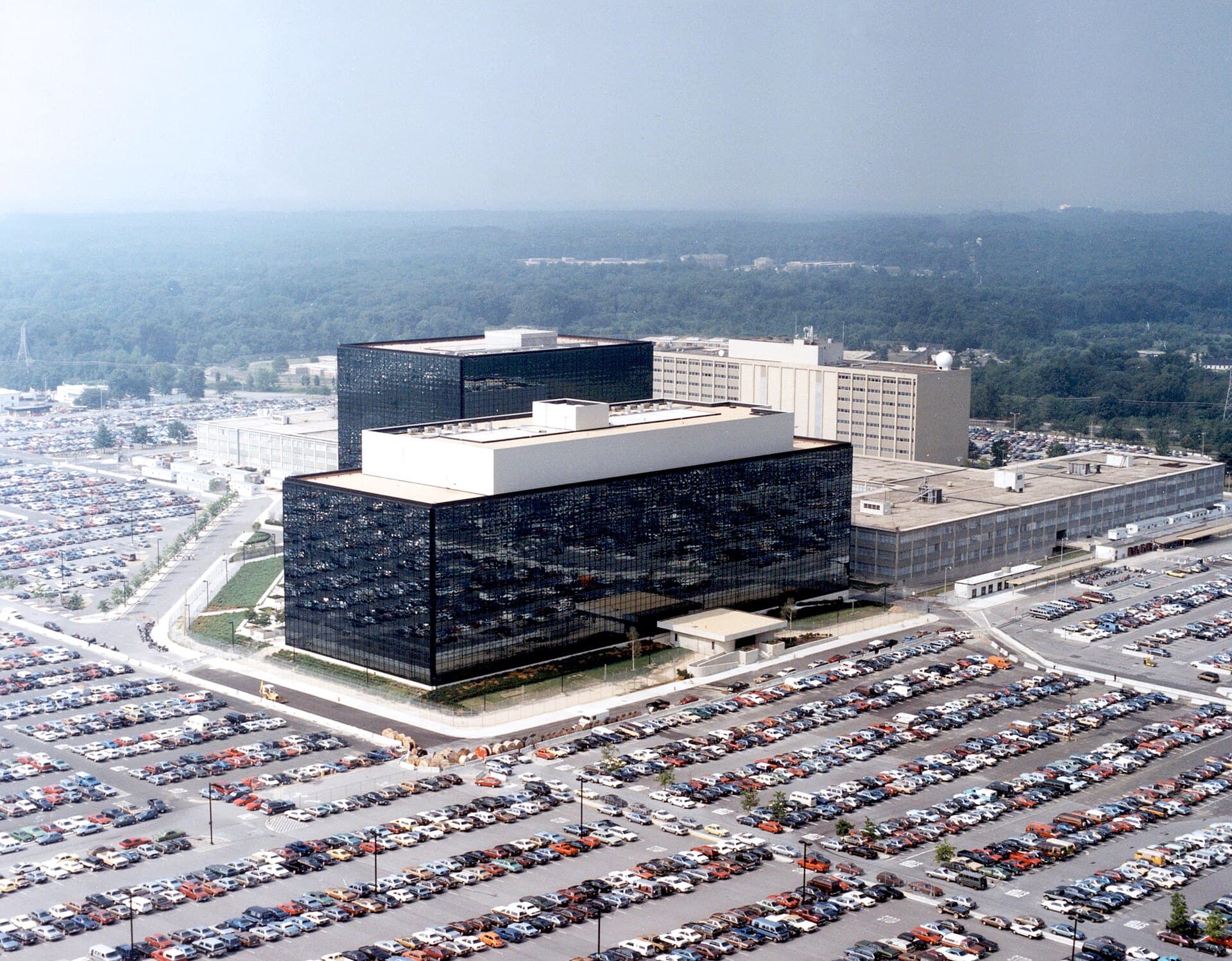
A week of technology failures reached the US National Security Agency on Tuesday, after outages had already shut down corporate email, grounded thousands of flights and disrupted banking services. The NSA said its network suffered a "temporary degradation" during routine maintenance, while insisting "mission-critical capabilities" stayed operational.
The run of disruptions began on Thursday with a Microsoft outage that hit services including email. The next day the Federal Aviation Administration ordered a nationwide ground stop lasting four and a half hours, the longest halt to US air travel since the attacks of September 11, 2001. On Monday a United Airlines technology failure delayed about 150 flights, and a JPMorgan Chase software problem disrupted some banking services. Apple said on Tuesday an internal update, not a cyberattack, had knocked out customer services including iCloud and Apple Pay.
Secretary of State Marco Rubio, who also serves as national security adviser, called the incidents "unsettling" but said they were unrelated and that there was "zero evidence" of "nefarious actors". "We are not under systemic attack," he told reporters in Manila. President Donald Trump, attending ASEAN meetings there, said: "It's like when you're big and powerful, and you have all the money. Things like that happen. It's fine." Senator Josh Hawley, a Missouri Republican, was unconvinced: "If this is all a coincidence, it's like the greatest coincidence in the history of the world."
Jay Clayton, the US director of national intelligence, tied the NSA outage to patches deployed for a PHP vulnerability discovered using artificial intelligence last month, a bug that could let hackers take remote control of servers. "Everybody recognizes it's time to upgrade their systems, and as they upgrade them, they're not coming back as expected in all cases," he told Fox Business. Cynthia Kaiser, a former senior FBI cyber official now at security firm Halcyon, said the string of disruptions showed how a single software update can cascade across critical systems.
The outages have followed layoffs at several organisations. United Airlines said last year that AI advances had helped it cut management headcount by 4 per cent, with a further 4 per cent planned this year, while Microsoft's email failure came a month after it offered buyouts to a quarter of its global workforce. There is no evidence the job cuts caused the disruptions, but Liz Fong-Jones, who has worked on software resilience for 20 years, said cuts thin safety margins: "Part of the resilience of a system comes from people who are experienced with a system."
What it means for Pakistan: The failures underline a risk Pakistan shares: critical systems here, from banking and payments to airline operations, lean on a handful of foreign cloud and software providers, so a single bad update abroad can reach local users. For Pakistani banks and fintechs running digital channels and for regulators such as the State Bank and SECP, the week is a reminder that patch management, vendor concentration and tested recovery plans matter as much as cyberattack defences. The role of AI in both finding and causing the vulnerabilities also bears on Pakistan's own push to adopt AI in financial services.