
Warsh is managing US debt costs, not inflation, economist Robin Brooks says
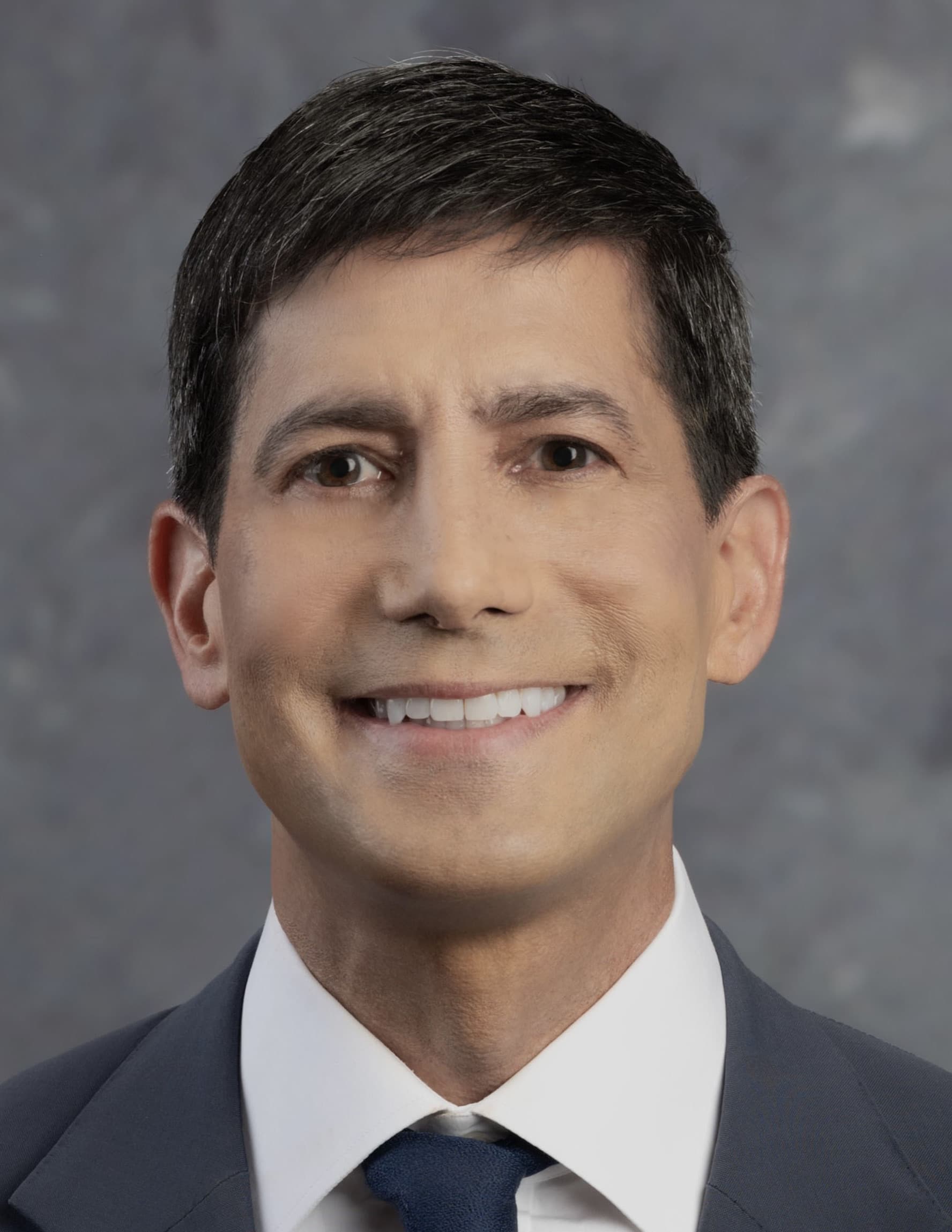
Kevin Warsh's mixed signals on interest rates are not about inflation at all, according to Robin Brooks, a senior fellow at the Brookings Institution, who argues the Federal Reserve chair is managing the cost of US debt. "We're not in hawkish or dovish land. What's happening is yield curve management, which itself is a function of how precarious the U.S. debt picture is," Brooks wrote in a Substack post on Thursday.
The puzzle is real. Warsh, President Donald Trump's pick to lead the Fed, was expected to lean dovish, then declared inflation a "choice", floated alternative inflation gauges over the summer, delivered a hawkish speech at Jackson Hole in August and led a unanimous rate hike in September. Last week he declined to back another hike despite inflation heating up again, offering no explanation or guidance on the next decision, which read as dovish overall.
Brooks said the inflation data cannot explain that record. Gross US debt is above $40 trillion, publicly held debt stands at 100% of GDP, and in fiscal year 2026, which ended in September, federal debt-interest costs topped $1 trillion, exceeding defence spending. He suspects the Fed and the Treasury Department are in a de facto accord to keep borrowing costs stable, pointing to Treasury Secretary Scott Bessent's surprise announcement of more long-term bond buybacks, which briefly lowered yields, and his intervention in currency markets to prop up the yen without Japan selling its US debt holdings.
The strategy faces headwinds. Expectations of a re-escalating Iran war have pushed oil prices and yields higher, and signs of a hot US economy have lifted inflation and rate forecasts. Some relief has come from fears that the AI boom could go bust, and from France's political turmoil, which drove investors back into Treasuries as a safe haven and pushed the 10-year yield back below 5%. "Warsh is neither hawk nor dove," Brooks wrote. "Instead—like Bessent—he's just trying to keep long-term yields manageable."
That carries risks. Bank of America economists have noted the US avoids a debt spiral only while nominal GDP growth stays above interest rates; growth was 5.6% in the third quarter, helped by the AI boom and high inflation. But the Congressional Budget Office has modelled yields 150 basis points above its 4.3% baseline, a scenario in which net interest costs rise $4.9 trillion over 10 years and publicly held debt reaches 133% of GDP by 2036. Bank of America estimated that under that scenario the effective interest rate on government debt would exceed long-term nominal GDP growth, assumed at 4%, as early as fiscal year 2028. "Even so, we believe it is optimistic to assume the United States can simply grow its way out of its mounting debt burden," the bank said in a note on 19 October.