PAAPAM urges review of draft auto policy over tariff and jobs concerns
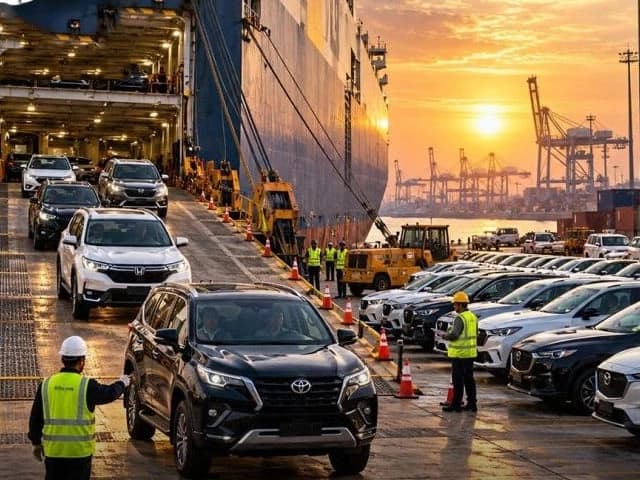
The Pakistan Association of Automotive Parts and Accessories Manufacturers (PAAPAM) has asked Prime Minister Shehbaz Sharif to review the draft Auto Policy 2026-31, warning that proposed tariff reductions on completely built-up vehicles, concessions for new-energy vehicles and lower duties on auto parts could undermine domestic manufacturing and employment.
In a letter dated October 23, PAAPAM Chairman Abdul Rehman Aizaz cited more than 1,200 companies, 1.5 million jobs, $1.8 billion in annual import substitution and Rs700 billion worth of locally manufactured components supplied to assemblers. The association has requested a meeting with the prime minister to present alternatives before the policy is finalised.
The objection exposes a split within the sector. Importers and businesses seeking greater access to foreign vehicles favour lower trade barriers, while local assemblers and parts manufacturers fear cheaper imports could erode domestic production and investments made over decades. For parts suppliers, the concern extends beyond competition between car brands to whether locally manufactured components will remain commercially viable as assemblers gain easier access to imported parts and complete vehicles.
The draft attempts to reconcile these demands through tariff liberalisation, export obligations and incentives for cleaner vehicles. It targets $6 billion in cumulative vehicle and auto-parts exports by 2030-31, with incentives for companies meeting export targets and penalties for those falling short. Proposals also include phased tariff reductions and preferential sales tax rates of 1% for battery-electric vehicles, 6% for range-extended electric vehicles and 9% for plug-in hybrids, subject to the remaining approval process.
A senior official of a Japanese auto manufacturer said the industry is no longer speaking with one voice because the business itself has changed. "Everyone wants a policy that supports their own investment, but the government must consider the entire industrial ecosystem," the official said, adding that the real requirement is a predictable policy that encourages exports, genuine localisation and technology transfer. Stakeholders said the policy's success will depend on whether its incentives produce measurable gains in domestic value addition, exports, technology transfer and affordability, and on clear, predictable rules that let businesses make long-term investment decisions rather than repeatedly lobbying for changes to taxes and tariffs.