WWF and SBP launch green transition toolkit for textile SMEs
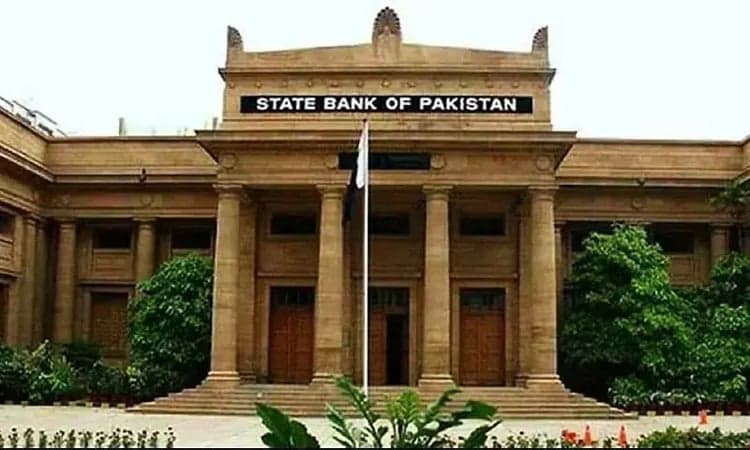
The World Wide Fund for Nature and the State Bank of Pakistan have launched a Green Transition Toolkit to help small and medium-sized textile enterprises adopt environmentally friendly practices, an initiative the two organisations say is intended to keep Pakistani exports compliant with international environmental standards.
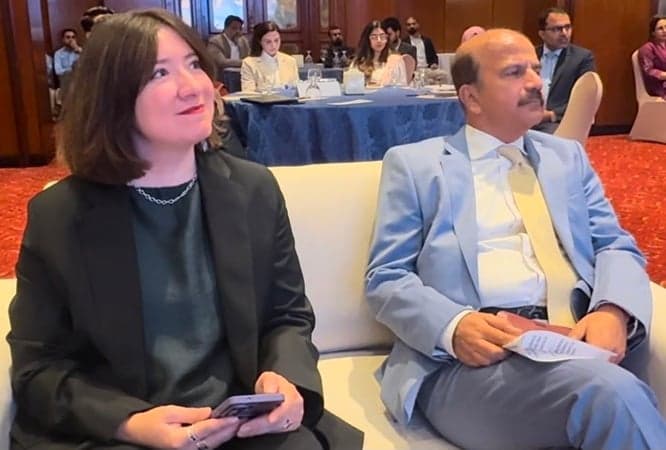
According to the organisers, the toolkit will guide factories on conserving electricity and water, reducing pollution, adopting environment-friendly machinery and accessing financial support from banks. The launch was attended by SBP Deputy Governor Saleemullah Khan, Sindh Secretary for Environment, Climate Change and Coastal Development Faisal Ahmed Uqaili, WWF-Pakistan Director General and Chief Executive Hammad Naqi, a representative of the German development agency GIZ, Yulia Bazhenova, British Deputy High Commissioner Alison Blackburne, and international WWF representatives, along with government officials, environmental experts and business figures.
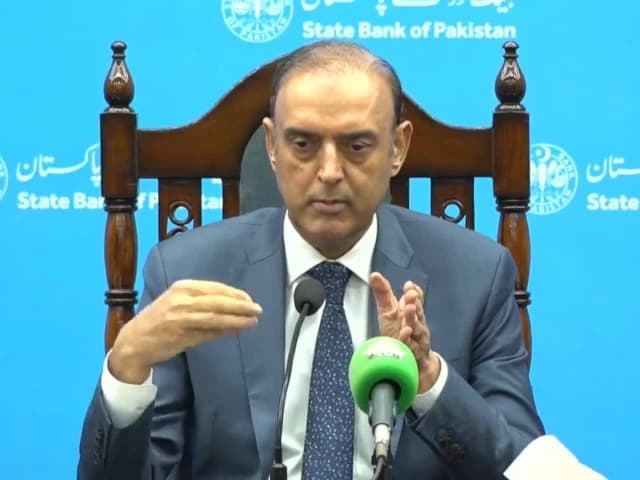
Khan said climate change posed a major challenge to Pakistan's economy and that the 2022 floods had caused substantial economic losses, adding that timely measures were needed to reduce climate risks. He said the SBP had been working to promote green financing for more than a decade and that the toolkit would help industries assess their environmental performance and access financing for sustainable projects.
Uqaili said the textile industry had significant potential to increase exports but that reducing carbon emissions and complying with environmental standards were essential to remaining competitive in international markets. He said industrial pollution affected not only the environment but the wider economy, and stressed the need for technical guidance, financial assistance and a business-friendly environment for smaller firms. The Sindh Environment Department was working with the United Nations Industrial Development Organisation to promote cleaner industrial practices, he said, and 13 projects had been taken up in Sindh to promote carbon financing and carbon credits, with forest restoration and mangrove conservation also cited as ways to cut emissions.
Naqi urged financial institutions to help put the toolkit into practice and to finance industries' adoption of environment-friendly technologies. Bazhenova and Blackburne also highlighted sustainable industrial practices, reducing climate risks and meeting the environmental requirements of international markets. Speakers said policies alone were not enough and that implementation, practical guidance for industries and access to financing for green projects were equally important, expressing the hope that cooperation among government, financial institutions, industries and development partners would turn proposals into practical measures.