
Musk: Tesla-SpaceX merger 'a good idea' but not a certainty
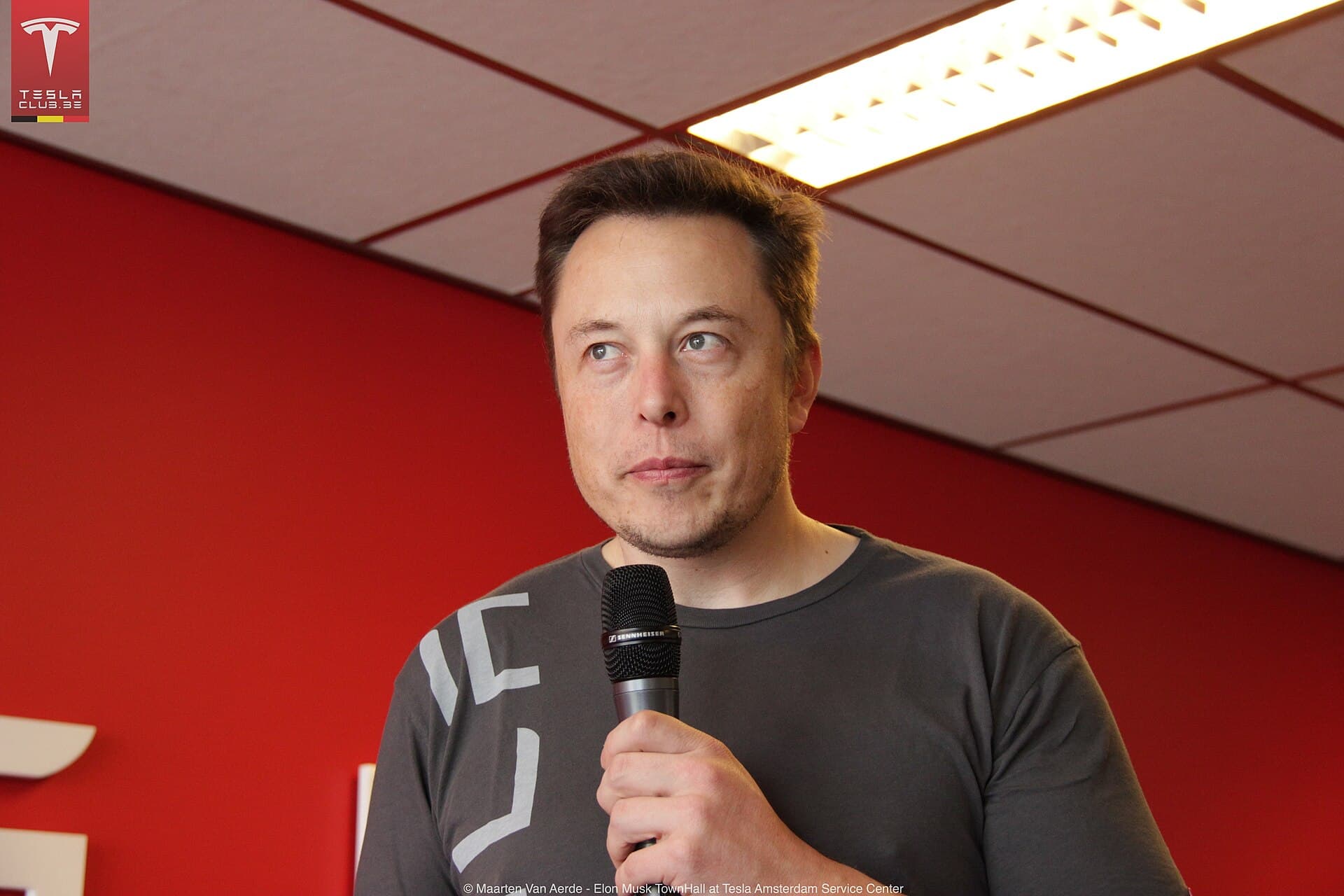
Elon Musk has confirmed that independent directors at Tesla and SpaceX have formed special committees to examine a possible merger of the two companies, but he warned that a deal is far from assured. "Some people out there assume that a SpaceX and Tesla merger is a certainty," Musk said. "I think that would be overstating it." The Tesla and SpaceX chief executive, who backs the idea, said the committees had not agreed on terms, and that his conflict of interest prevented him from taking part in their talks, which he described as "tap dancing through a minefield".
The stakes for shareholders are concrete. A combination would widen what each investor owns: Tesla holders would gain exposure to SpaceX's satellite internet, launch operations and AI computing business, while SpaceX investors would pick up Tesla's electric vehicles and robotics. Musk named AI software, chip design, robotics and space-based computing as areas where closer working could pay off, though no agreed financial benefits or deal terms exist yet. Any share exchange would hinge on relative valuations, and Musk said a deal would need support from a majority of all Tesla shares, not just a majority of votes cast, a bar he called "quite a high hurdle".
SpaceX's latest results show the scale of what Tesla shareholders would be weighing. The company reported third-quarter net income of $4.4 billion, reversing a $1.1 billion loss a year earlier, as revenue rose 161 per cent to $14.6 billion. Its AI division, now called Super Intelligence, brought in $7.6 billion, more than nine times the year-earlier figure, overtaking Starlink as SpaceX's largest business by sales, though satellite internet remained the biggest profit generator. SpaceX attributed the AI growth to new cloud computing agreements, wider use of its Grok chatbot and its acquisition of AI coding startup Cursor.
That growth carries a heavy bill. SpaceX spent $19.6 billion on capital investment in the quarter, including $16.4 billion on AI, taking spending for the first nine months to $48 billion. Computing capacity reached 1.7 gigawatts, up from 0.6 gigawatts a year earlier, and Musk said he was "fairly confident" of bringing another 10 gigawatts online in 2027, while flagging power, cooling and electrical equipment as "somewhat of a limiting factor". Starlink revenue rose 69 per cent to $5.2 billion, with consumer subscribers at 13.6 million, though average monthly revenue per consumer fell to $69 from $83.
Musk's existing stakes do not settle how a combined company would be owned or controlled. He held 48.4 per cent of SpaceX as of June 30 and controlled more than 82 per cent of its voting power through super-voting shares, according to the regulatory filing cited in the report, and he holds about 20 per cent of Tesla. The next substantive step would be an agreed proposal setting out valuation, shareholder consideration and voting rights. Until then, Musk's support establishes his preference, while shareholders still lack the terms needed to judge the deal.

