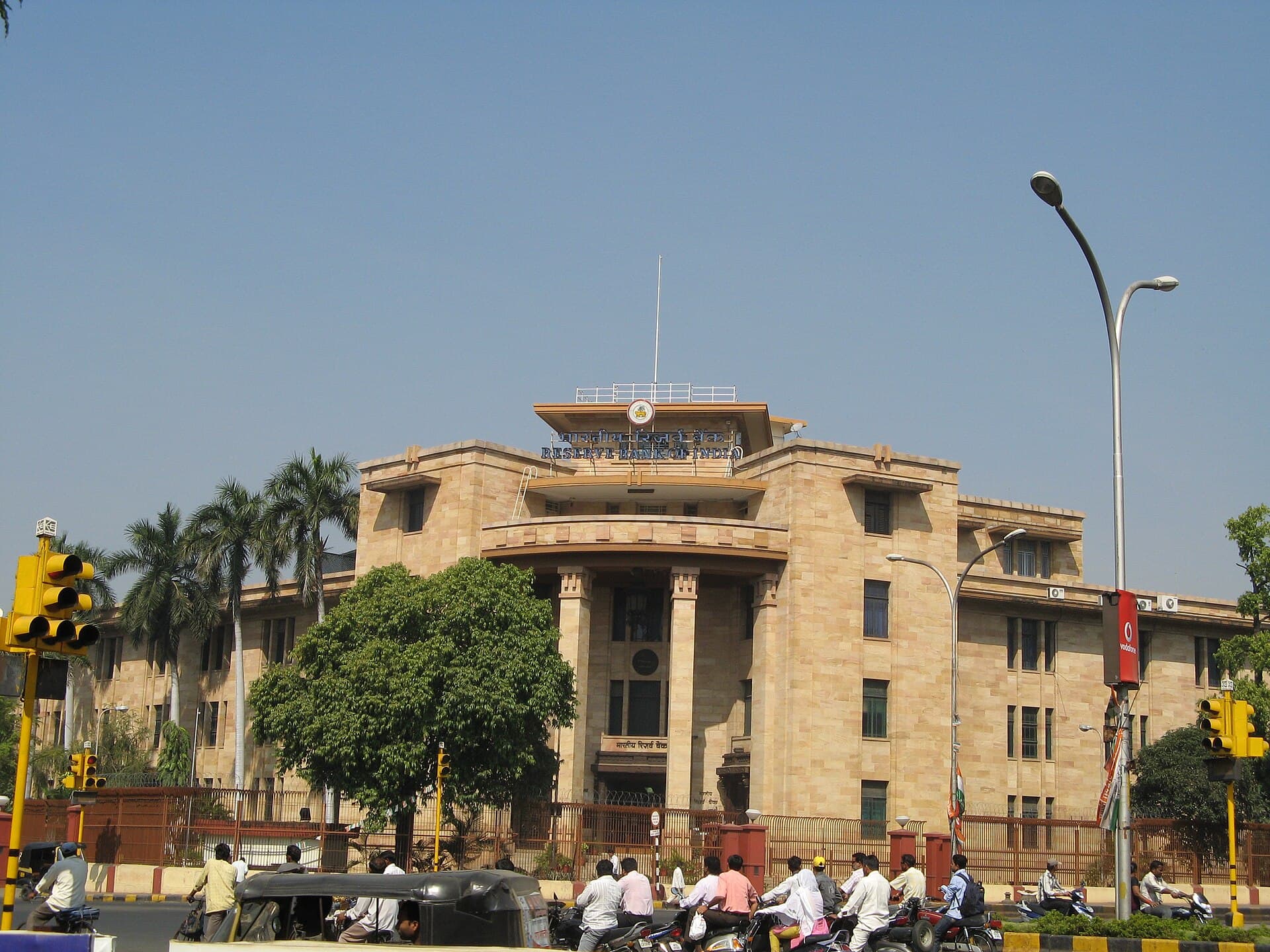
India's central bank moves oil firms' dollar demand off spot market

India's central bank announced fresh measures on Saturday to shore up the rupee, redirecting state oil companies' dollar purchases away from the spot market and tightening hedging rules, as the currency trades near record lows. The Reserve Bank of India acted amid persistent pressure on the rupee, which the report attributed to surging oil prices and global bond yields and which has fallen more than 7% this year.
The RBI said it will open a special window to meet the daily dollar requirements of three state-run oil marketing companies: Indian Oil, Hindustan Petroleum and Bharat Petroleum, which will be able to access the facility from Monday. Under such an arrangement, used during periods of currency stress, the central bank provides dollars directly to oil companies from its foreign exchange reserves. Dhiraj Nim, an FX strategist at ANZ Bank in Mumbai, said: "Addressing oil companies' dollar requirements removes one of the largest sources of demand from the FX market, which should help reduce volatility but it will show up in a depletion of reserves." After the steps were announced, the rupee strengthened by about 0.6% against the dollar in the non-deliverable forward market, albeit in thin trading.
Elevated demand for protection against further rupee losses has weighed on the currency in recent months, with importers' appetite for dollars far exceeding exporter supply, according to the report. A person familiar with the central bank's thinking, speaking on condition of anonymity, said the RBI is "trying to moderate potentially destabilising derivative demand, improve the integrity of underlying exposure verification and discourage circumvention through multiple transactions or repeated rebooking." The RBI has mandated that forex dealers maintain a 20% "foreign exchange risk reserve" on derivative contracts used to buy foreign currency against the rupee for hedging current account transactions, applying to transactions with a notional value exceeding $2 million. Two bankers said the requirement would lift the cost of buying protection against further rupee weakness and help discourage excessive hedging; Chinese authorities have previously used similar tools to discourage one-way bets against the yuan.
The central bank has also cut the limits on the size of derivative transactions users can undertake without proof of underlying exposure to $5 million from $100 million. The lower cap applies across all derivative products, including exchange-traded futures.
Image: Pinakpani / CC BY-SA 4.0