
Pakistan plans to refinance short-term debt into longer maturities, Aurangzeb says
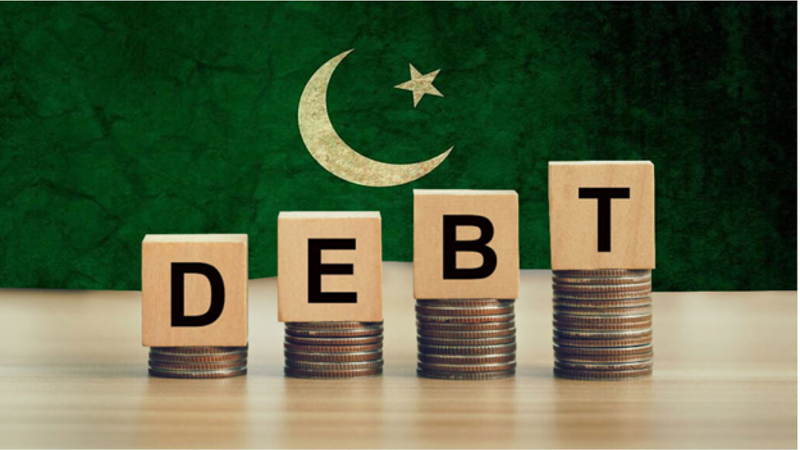
Pakistan intends to refinance part of its short-term external debt into longer maturities over the next two to three years to reduce rollover risk, finance minister Muhammad Aurangzeb told Bloomberg News on Monday, while keeping the country's overall external debt — estimated at close to $100 billion — broadly unchanged.
Aurangzeb said that this year it was not a question that Pakistan absolutely needed to cover the external financing gap, but that over the next two to three years the aim was to see if some of its short-term external debt could be refinanced into longer tenors and longer maturities, so that the country did not have to go into the rollover risk of short-term debt. He said Pakistan wanted to keep the overall quantum of its external debt, which is close to $100 billion, while thinking about it mostly in terms of replacement rates, diversification and elongating maturities, in remarks on Bloomberg: The China Show.
On raising capital from international markets, the finance minister said Pakistan is "not in a rush" to issue bonds this fiscal year. He said a mandate has been given for Islamic sukuks and, for the first time, for dollar-settled but rupee-denominated bonds, with a lot of reverse inquiries coming through on that. Going forward, he said, the government will issue requests for proposals for the remaining Panda bonds, and will also examine, for the first time, whether it can pursue tokenisation of its existing Eurobonds.
Aurangzeb departed for Bangkok, Thailand, last week to lead Pakistan's delegation to the World Bank Group–IMF Annual Meetings 2026, scheduled to be held from October 12 to 18, 2026. During the visit, the finance minister will represent Pakistan at key events of the International Monetary Fund and the World Bank Group and undertake an extensive programme of over 60 high-level engagements with international financial institutions, finance ministers and policymakers, development partners, global investors, banks, credit rating agencies, think tanks and international media. The visit comes as Pakistan continues its transition from macroeconomic stabilisation towards sustainable, investment- and export-led growth, while advancing structural reforms and strengthening engagement with international capital markets and development partners.

