Bank of Korea: chip exports could drop $100bn if US AI spending slows
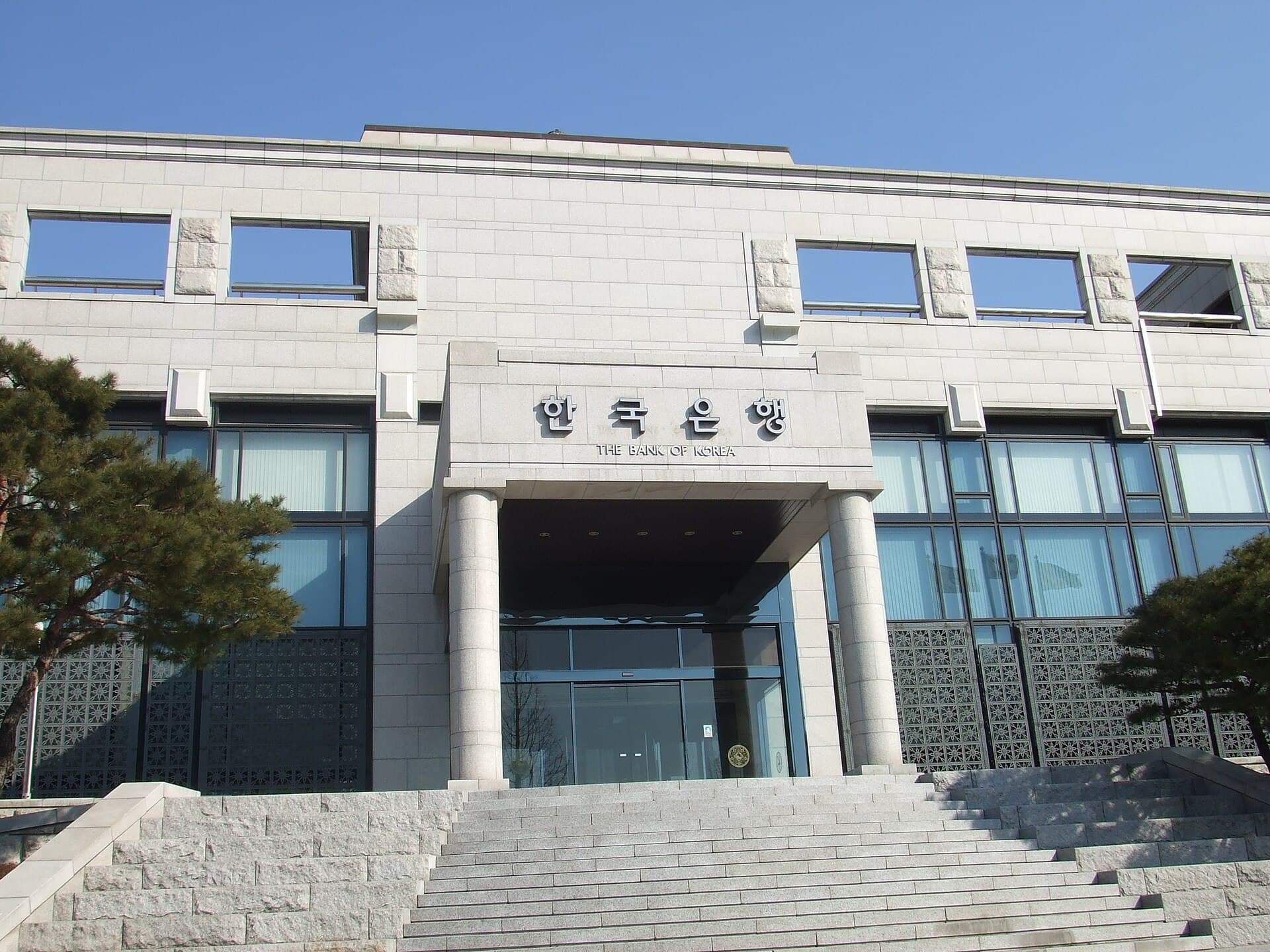
South Korea's semiconductor exports could fall by $50 billion to $100 billion against earlier forecasts if major US technology firms slow their artificial intelligence capital spending next year, the Bank of Korea has told a lawmaker. The central bank modelled a "pessimistic scenario" in a written response to Ahn Do-geol, assessing what happens to the export-dependent economy if the AI infrastructure boom cools.
Under that scenario, the sudden export shortfall would shave roughly 0.4 percentage point off South Korea's GDP growth next year, the Bank of Korea said, pushing the country's current account surplus well below its initial projection of $430 billion for 2027. The model assumed a 10% decline in Korean semiconductor unit prices.
The warning lands on an economy that leans heavily on chips: semiconductors account for roughly half of South Korea's exports. The Bank of Korea said combined capital expenditure by five major US technology firms - Amazon, Google, Microsoft, Meta and Oracle - has grown rapidly, from $40 billion last year to an estimated $80 billion this year, and is projected to reach $110 billion next year.
Even so, the central bank cautioned that considerable uncertainty remains over the trajectory of AI demand and the broader memory chip business cycle. The scenario is a stress test rather than a forecast, but it puts a figure on how exposed South Korea's trade balance and growth are to the spending plans of a handful of American companies.
For investors in Asian equities and memory chipmakers, the Bank of Korea's numbers frame the question for next year: whether the AI build-out keeps accelerating, or pauses long enough to drag one of the region's largest export engines down with it.