Yuan set for biggest daily drop in six months after PBOC raises FX reserve ratio
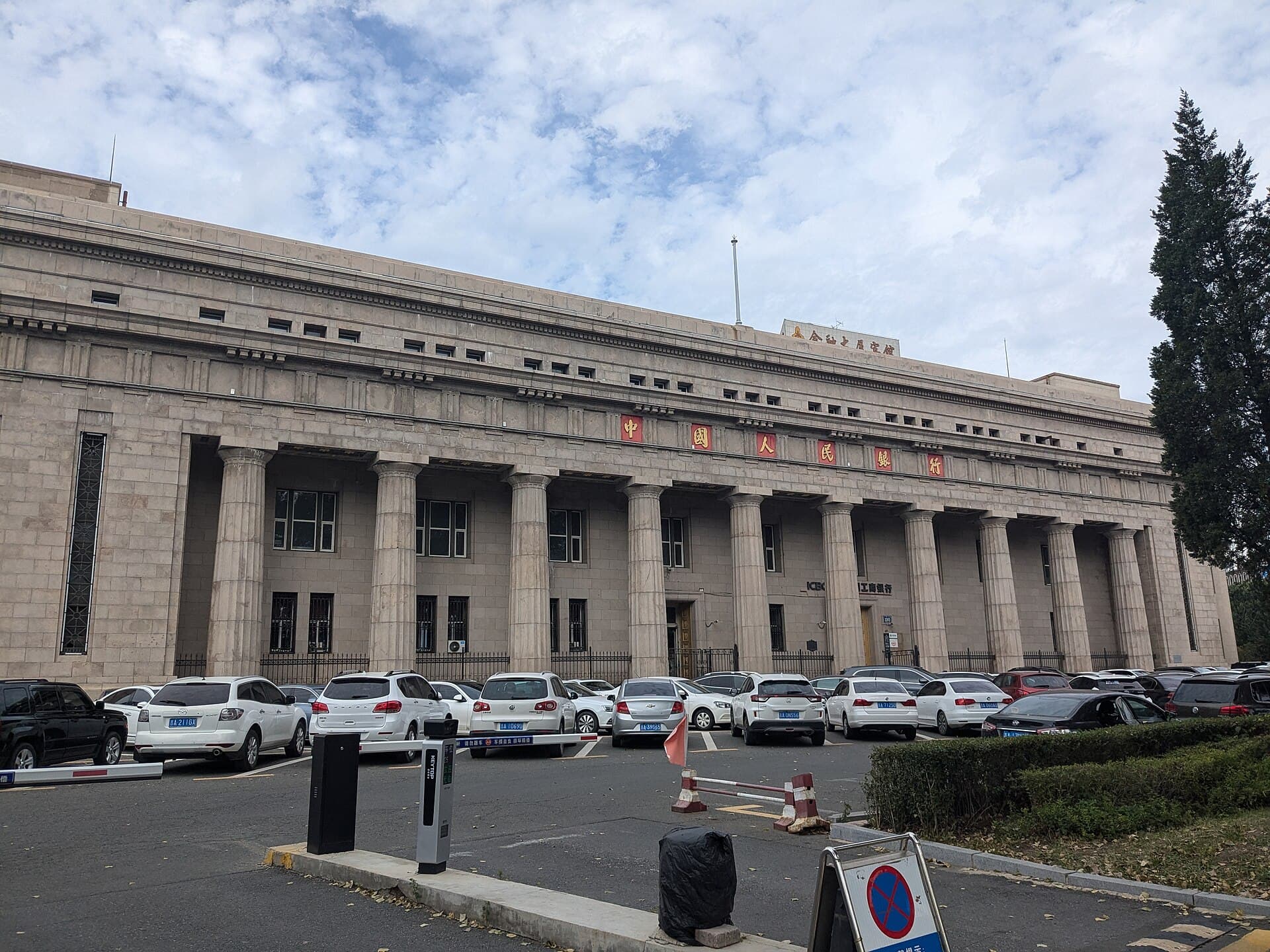
China's central bank has moved to put the brakes on a currency that has climbed about 5% against the dollar this year, and the yuan responded with its sharpest one-day fall in six months.
The People's Bank of China said on Tuesday it would raise the foreign exchange reserve requirement ratio by 2 percentage points to 6% from 4%, effective 15 November. The rule forces financial institutions to set aside more foreign currency as reserves, tightening dollar liquidity in the system and slowing the pace of yuan gains, traders and analysts said.
The onshore yuan fell to a low of 6.6728 per dollar after the announcement, its weakest level since 23 October, before trading at 6.6702. If it holds those losses to the close, it will have shed 0.33% for the day, the worst daily percentage drop since 15 May. The offshore yuan followed, trading at 6.6677 per dollar, down about 0.29% in Asian hours.
"The PBOC sent a clear message to the market that they are concerned about the fast appreciation of yuan in October," said Zhiwei Zhang, chief economist at Pinpoint Asset Management. "China's economy heavily depends on exports. A moderate appreciation may be tolerated, but the speed in October likely raised concerns in the policy circle." The yuan gained 0.74% against the dollar in October, supported by strong exports, trade surpluses and steady corporate conversion into the currency.
The timing is notable. Chinese exporters typically convert more of their foreign exchange earnings into yuan towards the end of the year and ahead of the Lunar New Year, a seasonal flow that usually lifts the currency in December and January. Before the market opened on Tuesday, the PBOC set its midpoint at 6.7150 per dollar for a second day, 661 pips weaker than a Token Times estimate, its largest weak-side deviation since 10 September. The central bank has been nudging its daily guidance stronger this year, but at levels below market expectations, which market watchers read as an effort to manage the pace of appreciation rather than reverse it.