Aurangzeb: digital assets must prove economic benefit before joining financial system
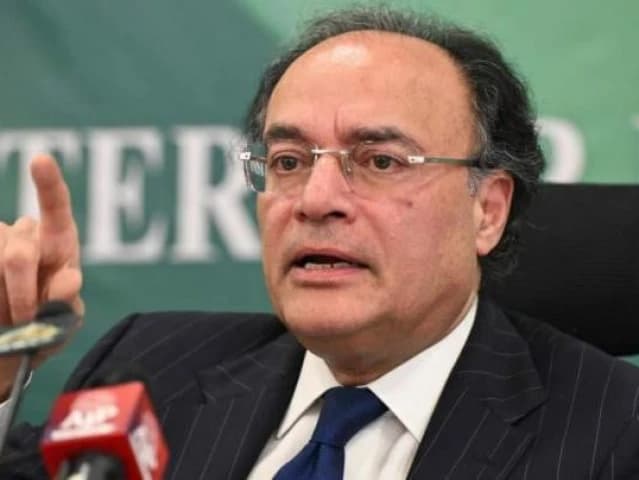
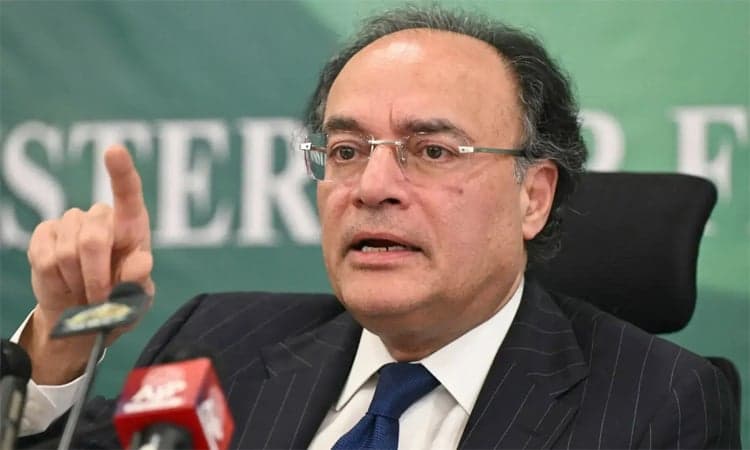
Pakistan's finance minister has set a condition for digital assets entering the country's financial system: they must prove they cut the cost of doing business, widen financial inclusion and pull more people into the formal economy.
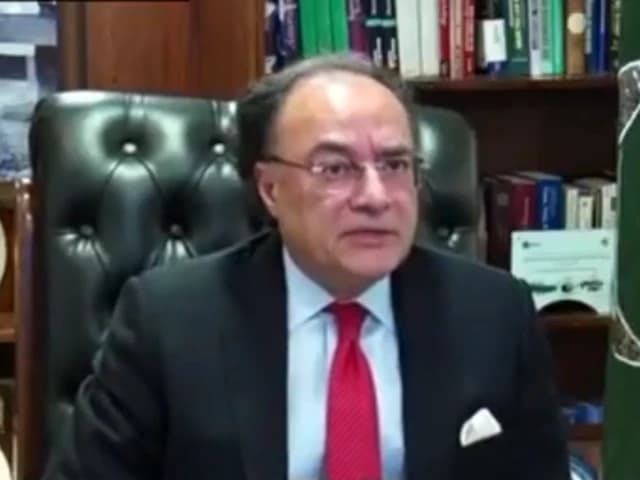
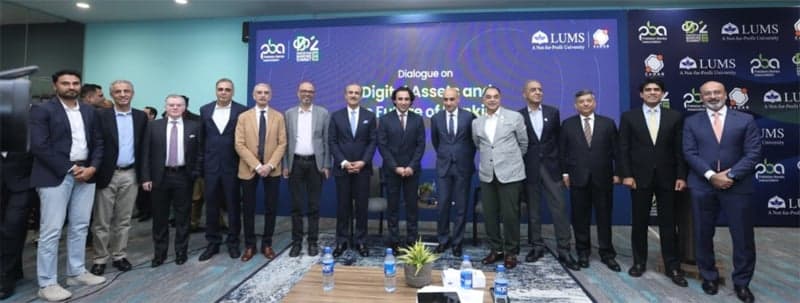
Speaking virtually at a dialogue titled "Digital Assets and the Future of Banking" at Lahore University of Management Sciences on Monday, Muhammad Aurangzeb said emerging technologies should be judged on whether they improve everyday financial services for individuals and businesses. He listed the outcomes he wants: cheaper international remittances, faster business payments, affordable financing for entrepreneurs and productive investment, all without compromising financial stability. "These are the outcomes that should guide this discussion," he said.
Aurangzeb drew a line between the products now crowding the debate. Tokenised bank deposits remain claims on banks, he said, while stablecoins carry risks that depend on their issuers, backing and redemption arrangements, and unbacked crypto assets sit in an entirely different risk category. He cited JPMorgan's use of deposit tokens to move money for institutional clients over blockchain networks, and argued banks will stay central because of their role safeguarding money and managing risk. Pakistan's rules, he said, must distinguish between these products and the economic activity around them.
The statutory groundwork, he said, is the Virtual Assets Act 2026, under which the Pakistan Virtual Assets Regulatory Authority licenses and supervises virtual asset service providers. The priority now is implementation through competent supervision and coordination between PVARA, the State Bank of Pakistan and the Securities and Exchange Commission of Pakistan. The State Bank has issued a conditional framework for banking services to PVARA-licensed businesses, subject to due diligence and segregation of client funds, and the finance ministry is reviewing whether to tokenise Pakistan's existing Eurobond debt.
PVARA chairman and Minister of State Bilal Bin Saqib put the choice more bluntly, asking whether Pakistan wants to rent its future or own its future. He said Bitcoin had served as a gateway to the wider digital assets ecosystem, but that blockchain's potential runs beyond trading into tokenisation, digital payments and programmable money. With remittances of approximately $41 billion a year still moving through infrastructure built decades ago, he estimated that a two to three per cent reduction in transaction costs could channel an additional billion dollars into the grassroots economy. PVARA and the State Bank are working through a joint working group on payment efficiency, with a pilot on the Gulf remittance corridor under consideration, he said. Aurangzeb also urged banks to bring practical proposals and build the expertise to assess these technologies, warning that hacking incidents at European supermarkets, payment apps and crypto exchanges show the cyber threat is growing.