Pakistan's inflation eases to 9.6% but prices still rose 1.1% in October
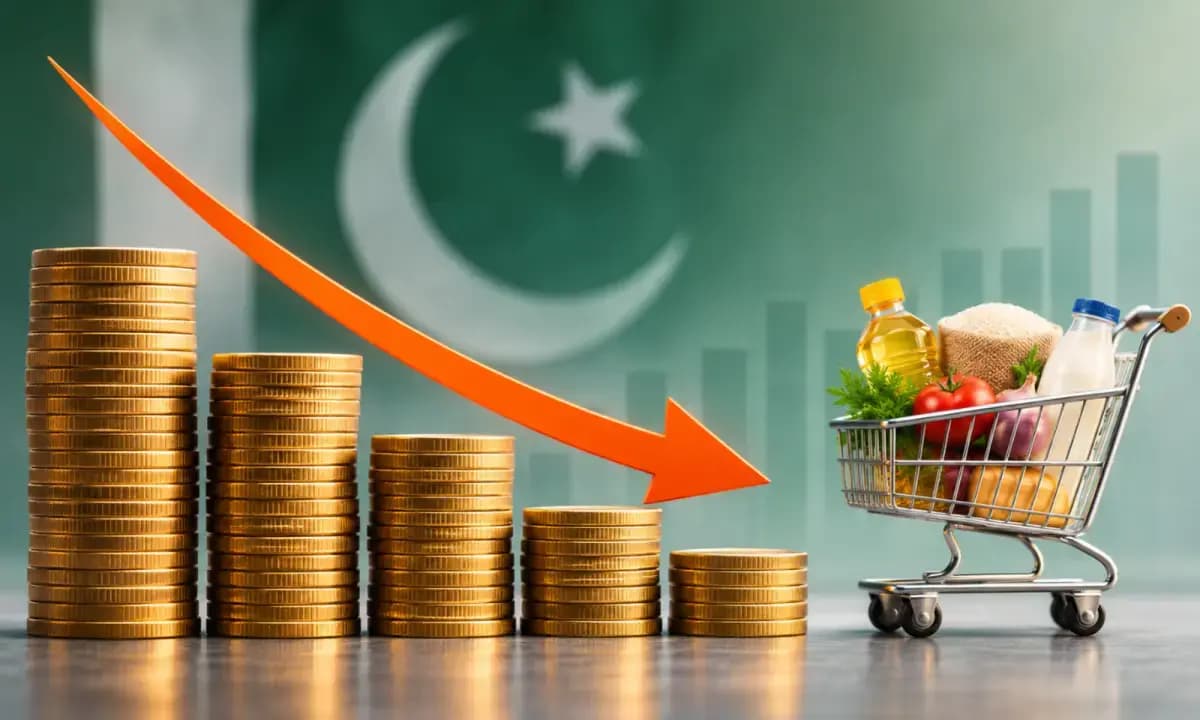
Pakistan's headline inflation eased to 9.6 percent in October from 10.3 percent in September, but the monthly figures tell a harsher story: consumer prices rose another 1.1 percent, the fourth consecutive month above 1 percent and the sixth time in eight months that threshold has been crossed. The annual rate is coming down while the cost of living keeps climbing, and households have good reason to watch the latter more closely.
Food and energy remain the pressure points. Inflation averaged 10.1 percent across the first four months of FY27, against 4.8 percent a year earlier, with a war-driven energy shock and domestic food supply problems both feeding through. October's immediate push came from food: non-perishable prices rose 2.6 percent in the month and were 9.6 percent higher than a year earlier, sharper in rural areas at 2.9 percent than in cities at 2.3 percent. Wheat rose about 9 percent in both urban and rural markets, flour became roughly 7.5 percent dearer in cities and 9.4 percent in rural areas, and chicken prices climbed 17–19 percent alongside several pulses.
Core inflation, which strips out food and energy, offered some comfort, easing to about 7.6 percent from 8.4 percent in September and suggesting the broader transmission of higher energy costs remains contained. Even so, its four-month average of 8.3 percent sits above the 7.5 percent of a year earlier. Energy is the larger threat to the outlook: transport prices were 28.6 percent higher year on year and housing and utilities up 11 percent, while urban motor fuel rose 41.3 percent and electricity charges 22.9 percent. LPG is a particular winter risk, with urban prices already about 69 percent higher than a year earlier; its small weight in the CPI limits its direct contribution to headline inflation but not the burden on households, and higher cooking costs can feed into prepared-food prices.
The State Bank has raised its policy rate by 50 basis points to 12 percent, aiming to stop a persistent supply shock from spreading into expectations and broader price-setting. Further decisions will hinge on energy prices, food supply and evidence of that transmission. But interest rates cannot repair wheat supply arrangements, secure LPG deliveries or remove power-sector inefficiencies, and fiscal constraints limit the room for petroleum levy relief without excusing avoidable supply disruption. The annual rate could return to around 10 percent in November and stay near double digits through the winter; favourable base effects may later bring the reported number down, but they will not reverse the increases households have already absorbed.