PVARA and Mastercard discuss tokenisation and remittances as Pakistan's licensing regime takes shape

Pakistan's virtual assets regulator and Mastercard have discussed how blockchain-based systems could be used for cross-border payments, remittances and the tokenisation of financial assets, according to a statement issued on Thursday. Bilal Bin Saqib MBE, Minister of State and Chairman of the Pakistan Virtual Assets Regulatory Authority (PVARA), met Mark Elliott, Mastercard's Division President for East Arabia.
The talks covered opportunities in regulated digital assets and next-generation financial infrastructure, including how traditional financial systems can connect with digital-asset technology. The two sides also discussed cybersecurity, financial integrity and regulation that makes room for innovation while protecting consumers.
Remittances give the discussion its local weight. Pakistan receives more than $40 billion a year from workers abroad, and the talks considered possible benefits for overseas Pakistanis, freelancers, small businesses and financial institutions.
"The next generation of global financial infrastructure is being built today," Saqib said. He said the future of finance would depend increasingly on cooperation among financial institutions, technology providers and regulators, and that the government's priority was to turn technology and innovation into tangible economic benefits.
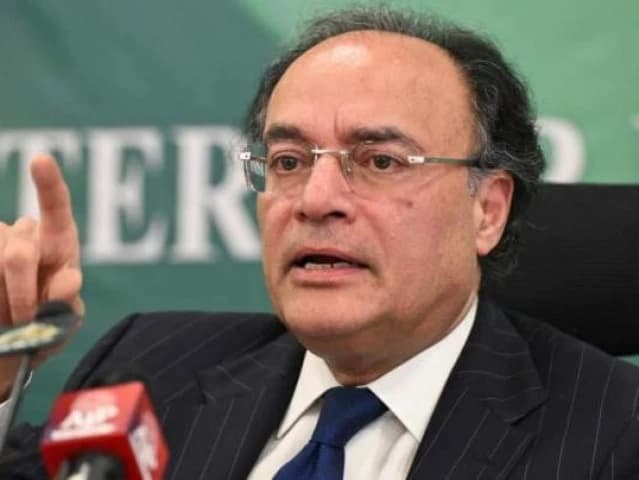
Elliott also led a Mastercard delegation in a separate meeting with Finance Minister Muhammad Aurangzeb, which covered digital payments, financial inclusion, remittances and cybersecurity in line with the prime minister's cashless economy initiative. Aurangzeb said cybersecurity and fraud prevention must remain central, and Elliott reaffirmed Mastercard's long-term commitment to Pakistan.
Reports of the PVARA meeting mention no agreement, pilot or timeline, and none says whether Mastercard plans to seek a licence from the regulator. The talks come as PVARA rolls out licensing under the Virtual Assets Act, 2026. In August it notified regulations setting out 10 licence categories, including exchanges, custody, transfer and settlement, and issuance, and existing providers were given until 5 September to apply for a No-Objection Certificate or cease operations.