Pakistan seeks Alibaba cooperation for cashless economy and SME exports

Pakistan has opened talks with Alibaba International Digital Commerce (AIDC) on cooperation across digital payments, e-commerce and technology, according to a finance ministry statement issued on Wednesday. Finance minister Muhammad Aurangzeb met AIDC leadership on the sidelines of the World Bank Group–IMF Annual Meetings 2026 in Bangkok, Thailand, the ministry said.
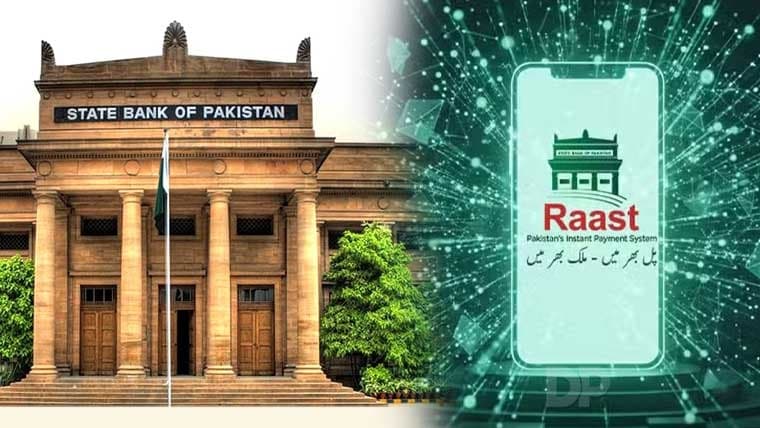
The discussions, as described by the ministry, covered digital payments, a move towards a cashless economy, and the transparent delivery of social protection payments and targeted subsidies. Aurangzeb invited proposals to rationalise e-commerce taxation, which the ministry framed as a balance between fairness and broader tax participation. The two sides also discussed accelerating the Pakistan Single Window e-commerce platform and improving the tracking of cross-border payments and export proceeds.
Cooperation on cloud infrastructure, artificial intelligence and tax administration was reviewed, with what the ministry described as an emphasis on integrated data systems, cybersecurity and institutional capacity. The statement said the two sides explored modernising Pakistan Post's sorting systems and expanding agricultural exports to China through Alibaba's retail network. Aurangzeb acknowledged Alibaba's support for small and medium-sized enterprises, local brands and exports through Daraz and Alibaba.com, according to the ministry.
In a separate meeting, Aurangzeb met Engineer Adeeb Y. Al Aama, chief executive of the International Islamic Trade Finance Corporation, where he cited Pakistan's economic progress, stronger reserves and renewed access to international capital markets. The ministry said both sides reviewed the remaining financing tranche and discussed aligning borrowing costs with improved market conditions, agreeing that technical teams would explore pricing and financing-volume adjustments. Aurangzeb also outlined efforts to replace costly short-term borrowing with longer-maturity financing without increasing external debt, and discussions covered digital product passports for textile exports to the European Union and single-window connectivity for ASEAN trade.
The finance minister also met UN Deputy Secretary-General Amina J. Mohammed to discuss strengthening the Borrowers' Forum through peer learning, governance continuity and a virtual secretariat. The ministry said he emphasised a stronger Global South voice and more responsive international financial institutions, with both sides stressing financing for the Sustainable Development Goals, poverty reduction, social protection and decent jobs. Climate financing gaps, simpler access to funds and capacity to prepare bankable projects were also discussed, alongside local currency financing to reduce exchange rate risks. Aurangzeb thanked Amina for appreciating Pakistan's mediation efforts in the recent US–Iran crisis.