US commercial property lenders turn defensive as Fed lifts rates to 3.75-4%
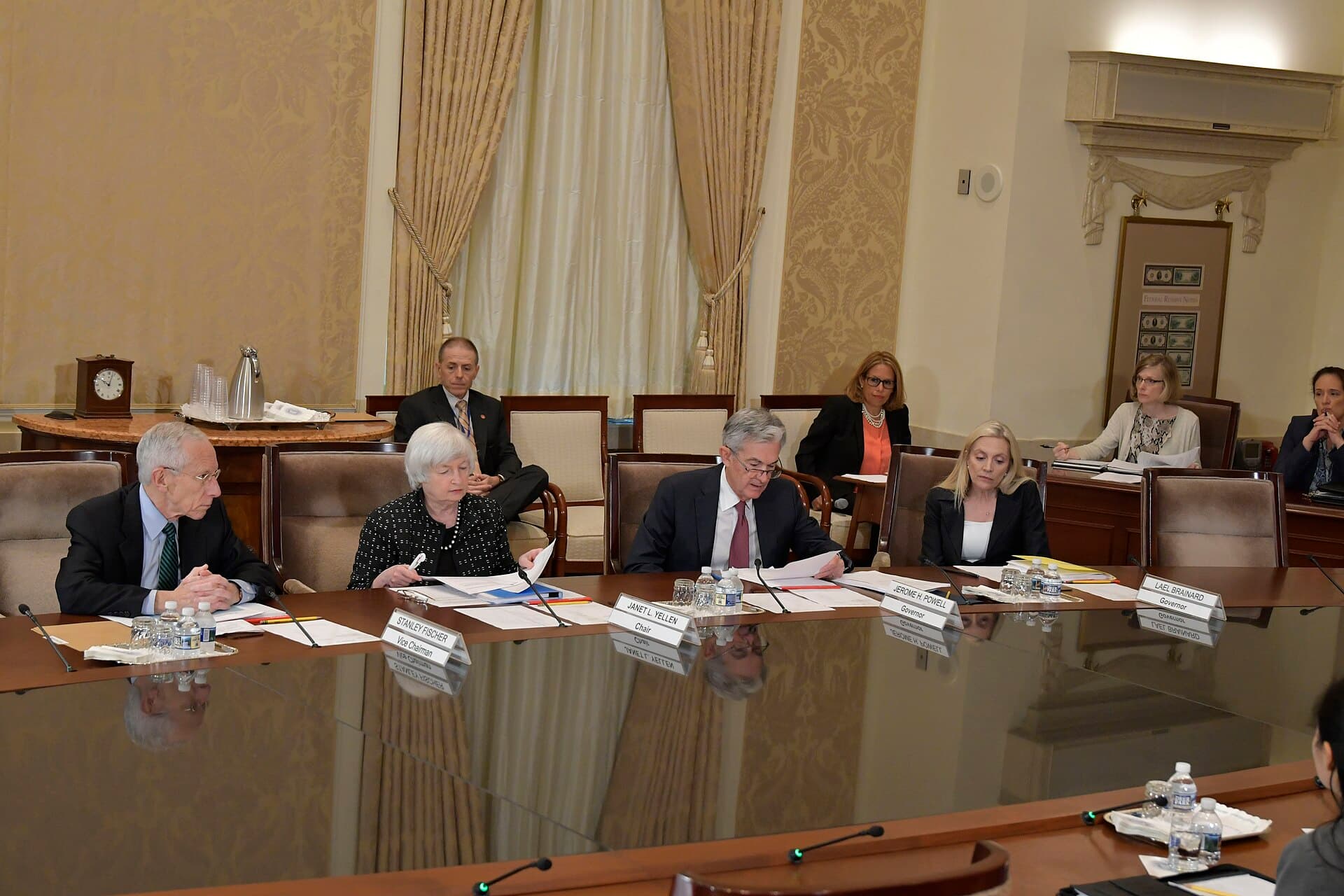
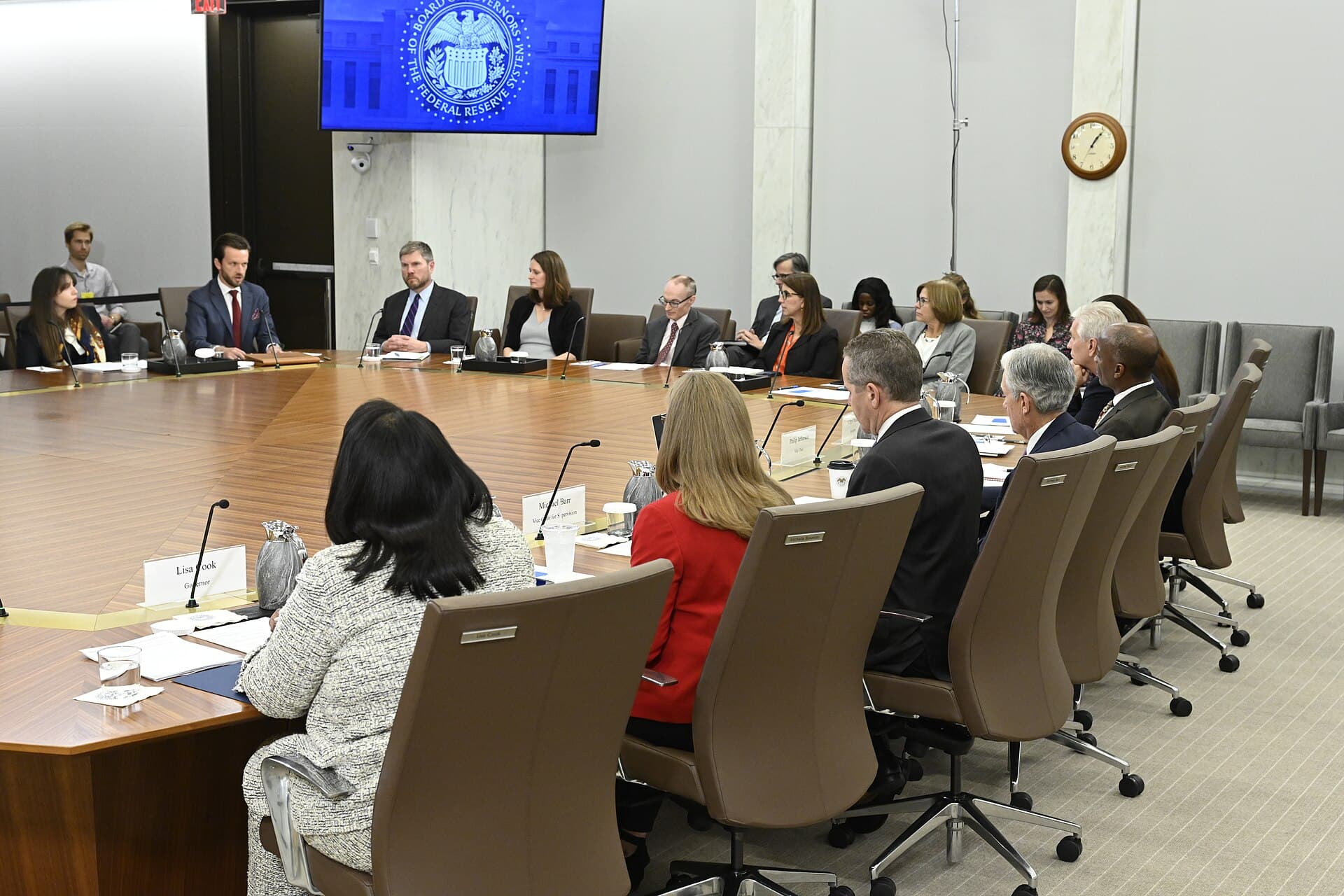
US commercial real estate lenders have abandoned their bet on falling interest rates and are underwriting deals on the assumption that borrowing costs stay high, after the Federal Reserve raised its benchmark rate a quarter point on 16 September to between 3.75 and 4 percent.
The move was the central bank's first increase in short-term borrowing costs since July 2023, and the Fed cited inflation still well above its 2 percent target. The 10-year Treasury yield had already crossed 5 percent on 14 September and hit its highest level since 2007 the following day. Although the Federal Open Market Committee held rates at its 28 October meeting, its September dot plot pointed to one more increase before the end of 2026 and a federal funds rate of around 4.1 percent through the end of 2027, under new chair Kevin Warsh.
Lenders have responded by tightening how they choose deals. Jai Agarwal, president and chief operating officer at Dwight Investment Management, an affiliate of Dwight Capital, said the firm has "become more defensive in our approach" and is "running more scenario analyses to make sure every deal holds up across a wider range of rate and valuation outcomes." He said high rates should lift demand for Dwight's bridge loan platform, as borrowers grow hesitant to lock in long-term debt such as commercial mortgage-backed securities priced off the day's Treasury yields.
At Wells Fargo, Steve Caldwell, head of large loan CMBS, described the shift as "back to basics on credit work", with more attention on valuation, leverage and property sectors with dependable cash flow. Chris Duey, senior managing director at Principal Asset Management, said elevated rates raise borrowing costs and cut loan proceeds but let lenders earn attractive risk-adjusted returns, adding that the firm now emphasises assets with durable net operating income and realistic lease-up assumptions.
Tony Fineman, head of originations at Acore Capital, said the higher-for-longer outlook has not changed its strategy much because it had planned for such an environment, and that it will not pursue a deal "unless we are confident that it works with some level of cushion to today's interest rates." Jason Kollander, head of real estate credit at BDT & MSD Partners, said underwriting now assumes elevated rates and builds in a margin of safety on exit values, with focus on debt service cushions, rate hedges and sectors including industrial, higher-end residential and hospitality.
What it means for Pakistan: The Fed's stance feeds directly into Pakistan's own cost of money: a stronger dollar and higher US yields tend to pressure the rupee and complicate the State Bank of Pakistan's room to cut its policy rate, which matters for Pakistani developers, REITs and property investors weighing dollar-linked or floating-rate financing. Pakistani banks and builders looking abroad for capital also face lenders who, as this story shows, are demanding more equity, hedges and cash-flow cover before committing.