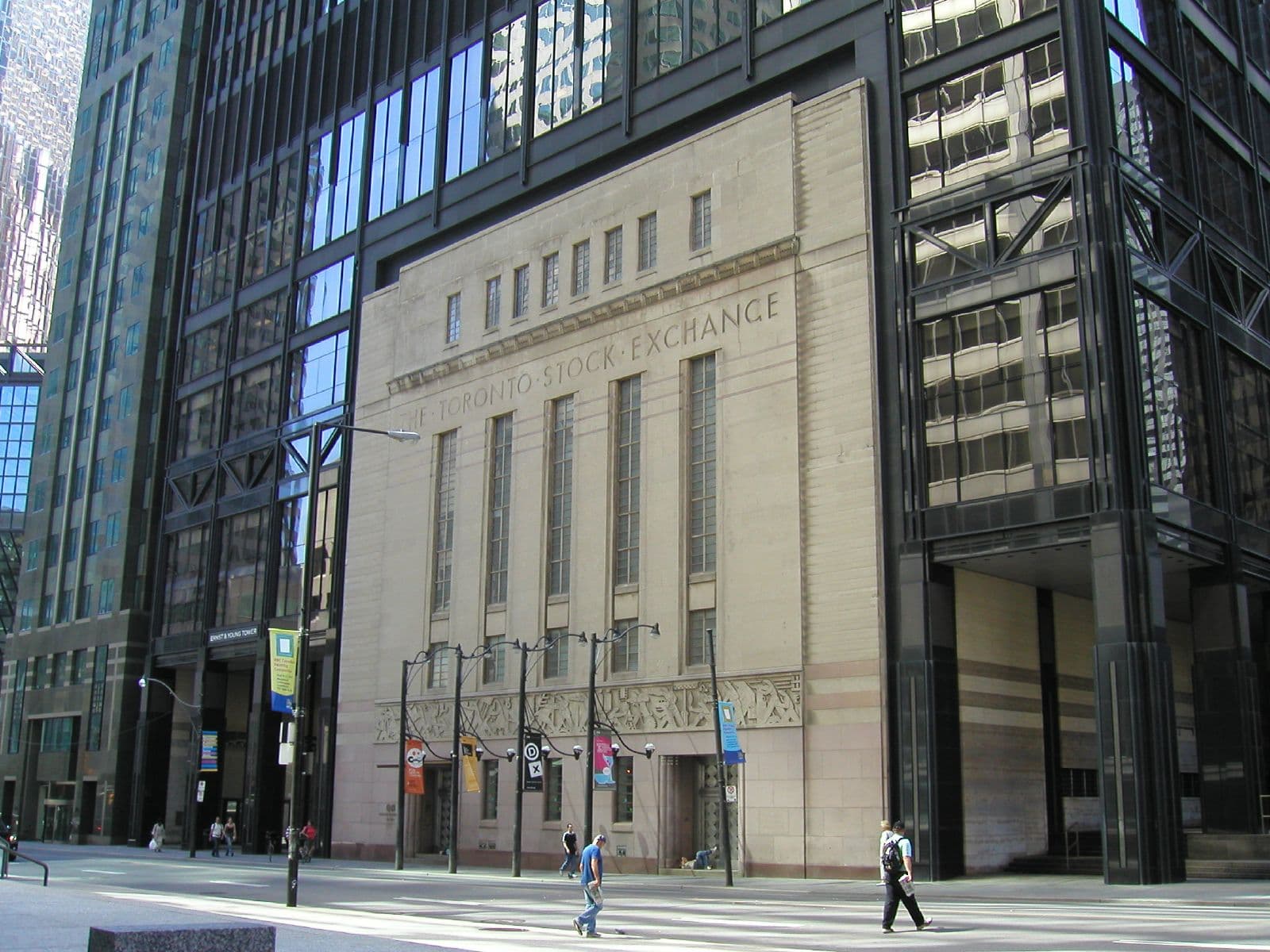
SEBI chief says existing exchange infrastructure is sufficient for larger volumes
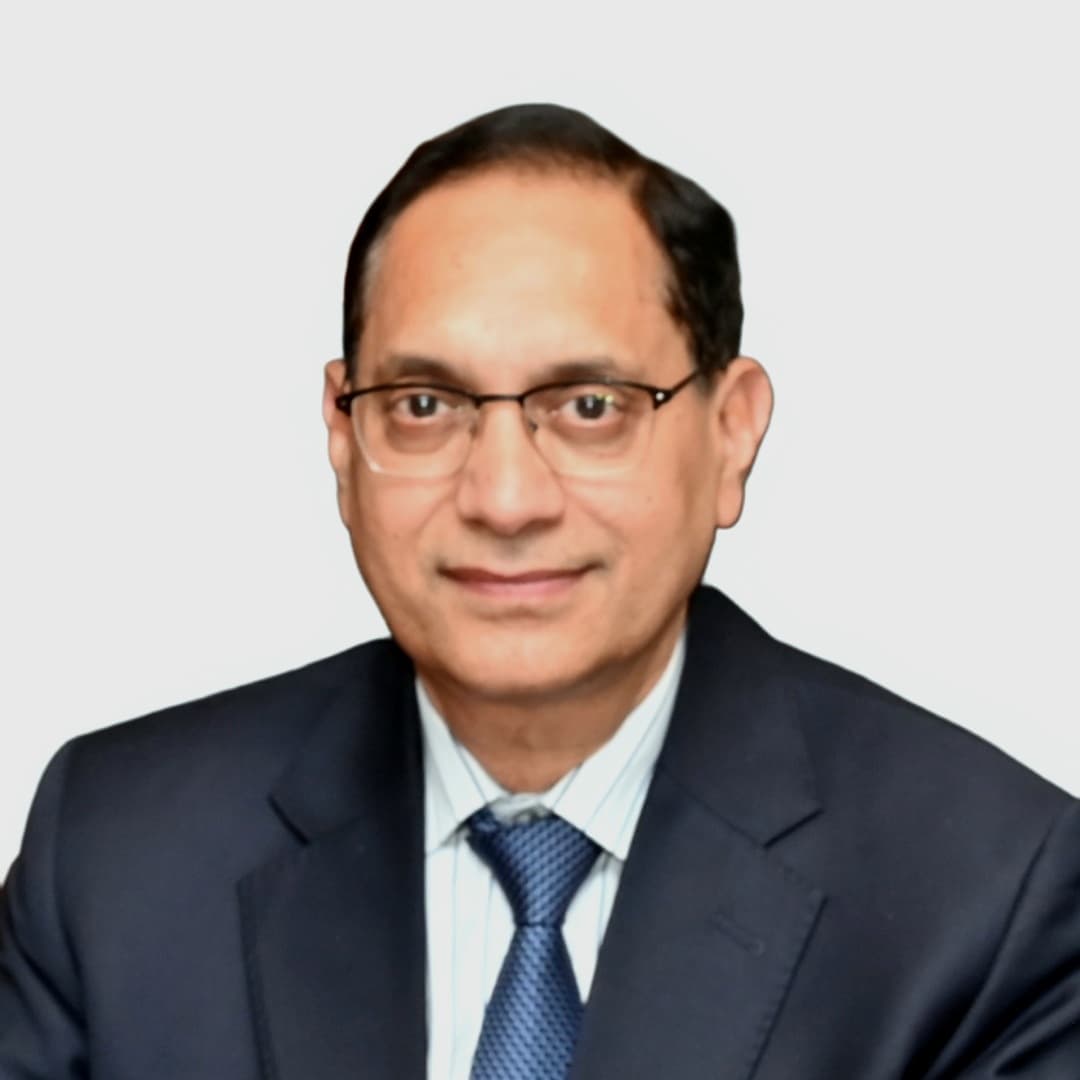
India's existing exchange infrastructure is "sufficient" to handle larger volumes, Securities and Exchange Board of India chairman Tuhin Kanta Pandey said, answering a question on whether the country needs more regional or national bourses. He also said it is now difficult for location-based exchanges to operate, because location is much less relevant when everything has to be electronically connected.
Speaking to the media in Kolkata, Pandey said: "You not only trade within the country; there are traders who are trading from outside the country. So, in a way, new technologies have made the location much less relevant than earlier when they used to be physical trades." The West Bengal government has proposed supporting the revival of the 118-year-old Calcutta Stock Exchange, which is on the verge of closure, to reclaim Kolkata's place as a financial capital.
For the CSE to restart, Pandey listed conditions including a net worth of ₹100 crore, an average annual turnover of ₹1000 crore, infrastructure for orderly execution of trades, an online screen-based trading system, online surveillance capability and cyber security controls. The exchange must also settle outstanding broker dues, establish a separate clearing corporation or tie up with trading corporations for settlement, and have a business plan, he said, as trading has remained frozen since 2013. "Now, the turnover will depend upon people who volunteer to come and trade (on the exchange). Traders will want liquidity, because if you do not have adequate liquidity, then your impact cost will be very high. So, it is a catch-22 situation," he said.
Pandey said the capital market regulator is likely to issue the proposed consultation paper within weeks on compliance requirements for foreign portfolio investors. SEBI has streamlined IPO processes and shortened timelines for rights issues, rationalised listing requirements for large issuers, and permitted founders, subject to prescribed conditions, to retain certain employee stock options after listing, he said. SEBI is also exploring a capacity-building network for independent directors, with a wider consultation planned.
Asked about leadership and governance differences between Tata Sons and Tata Trusts, Pandey said SEBI is monitoring developments. "At the holding company level, there are some issues, as that's not really a listed company. The rest of the companies, those which are listed, follow all the LODR (Listing Obligations and Disclosure Requirements) norms," he said.