Brent rises to $92.77 on Houthi strikes on Riyadh but heads for 3.5% weekly fall
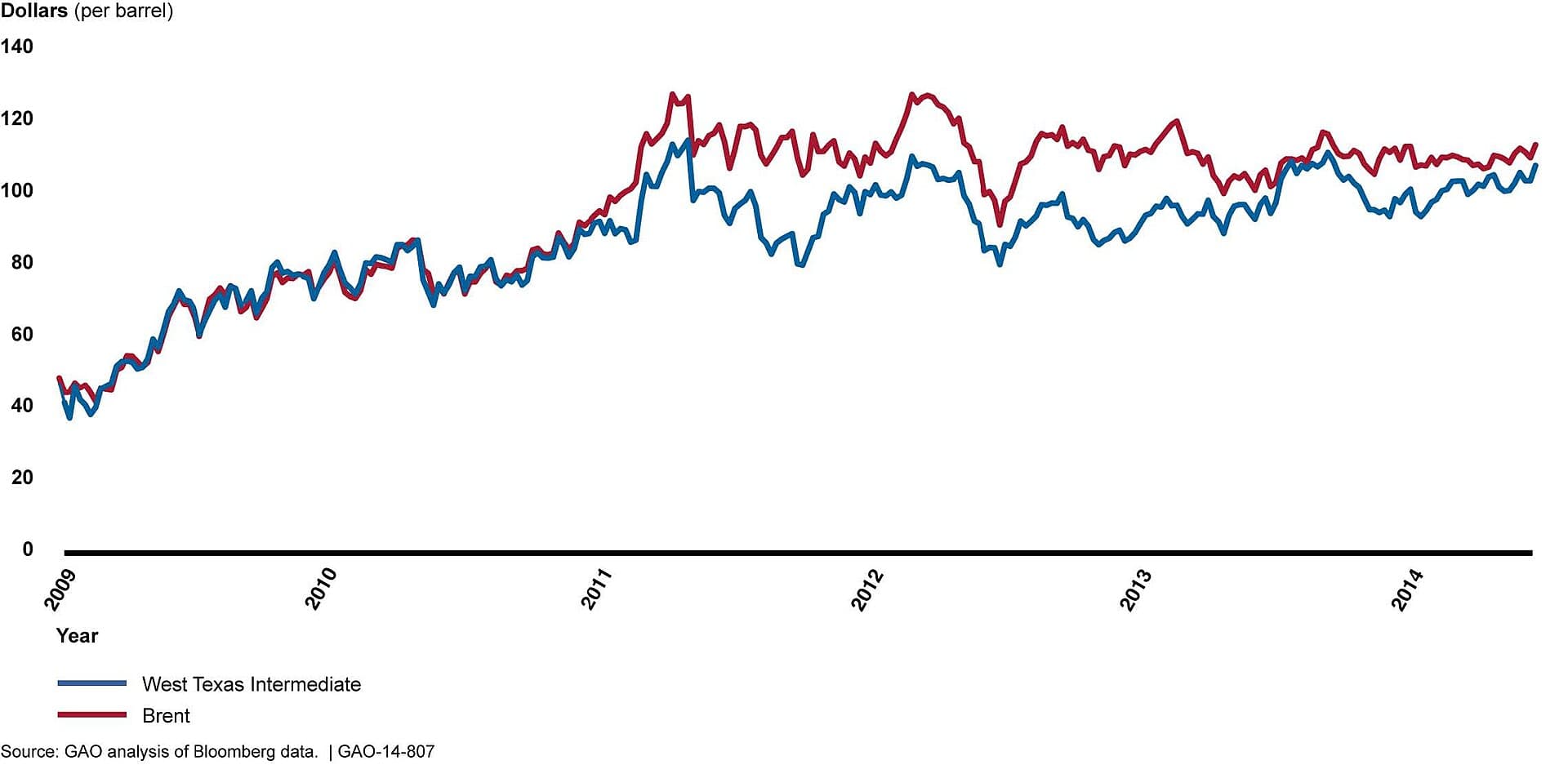
Oil prices rose on Friday as Houthi missile attacks on Riyadh and tanker incidents in the Strait of Hormuz revived concern over Middle Eastern supply, but both benchmarks were still heading for a third consecutive weekly fall. Brent crude futures gained 79 cents, or 0.9%, to $92.77 a barrel by 0404 GMT, while US West Texas Intermediate for December added 25 cents, or 0.3%, to $83.46. The more-active January WTI contract rose 71 cents, or 0.9%, to $83.15.
The weekly picture is weaker. Brent is set for a 3.5% decline this week and the December WTI contract for a drop of almost 6%, as expectations of a supply surplus grew with crude shipments through the Strait of Hormuz back to roughly pre-war levels. Satoru Yoshida, a commodity analyst with Rakuten Securities, said concerns over Middle Eastern crude oil supplies had resurfaced due to attacks on Riyadh by the Houthis, prompting buying. He added that expectations that coordinated production cuts will continue at the OPEC+ meeting later this month are also providing support.
Iran's Revolutionary Guards Navy said in a statement carried by state media on Thursday that two oil tankers hit naval mines in the Strait of Hormuz, exploded and are burning. UOB Group analysts said in a client note that Iran's attacks on tankers transiting the strait, running at roughly one incident per day in November, still add a meaningful geopolitical risk premium to the market.
OPEC+ ministers meet on November 29 to decide their 2027 output policy. The group brings together the Organization of the Petroleum Exporting Countries and allies including Russia. The International Energy Agency said on Thursday that the Middle East conflict has caused the biggest disruption ever to global oil and gas trade and could cut world oil demand by more than 4% by 2035 if governments accelerate electrification, efficiency and fuel-switching measures in response.
Weighing on the other side, Asian shares fell on Friday and were heading for their worst week since 2020. Saxo analysts said in a note that supply disruptions remain a risk, but near-term demand concerns tied to the AI trade unwind and broader risk-off sentiment are weighing on prices. Separately, analysts and traders say Russian crude output could fall again as Ukrainian attacks on refineries and export infrastructure intensify, with drone strikes having cut Russian refineries' combined crude processing volumes by 45% since late October.