Brent slips to $90.97 as supply glut offsets Hormuz attacks
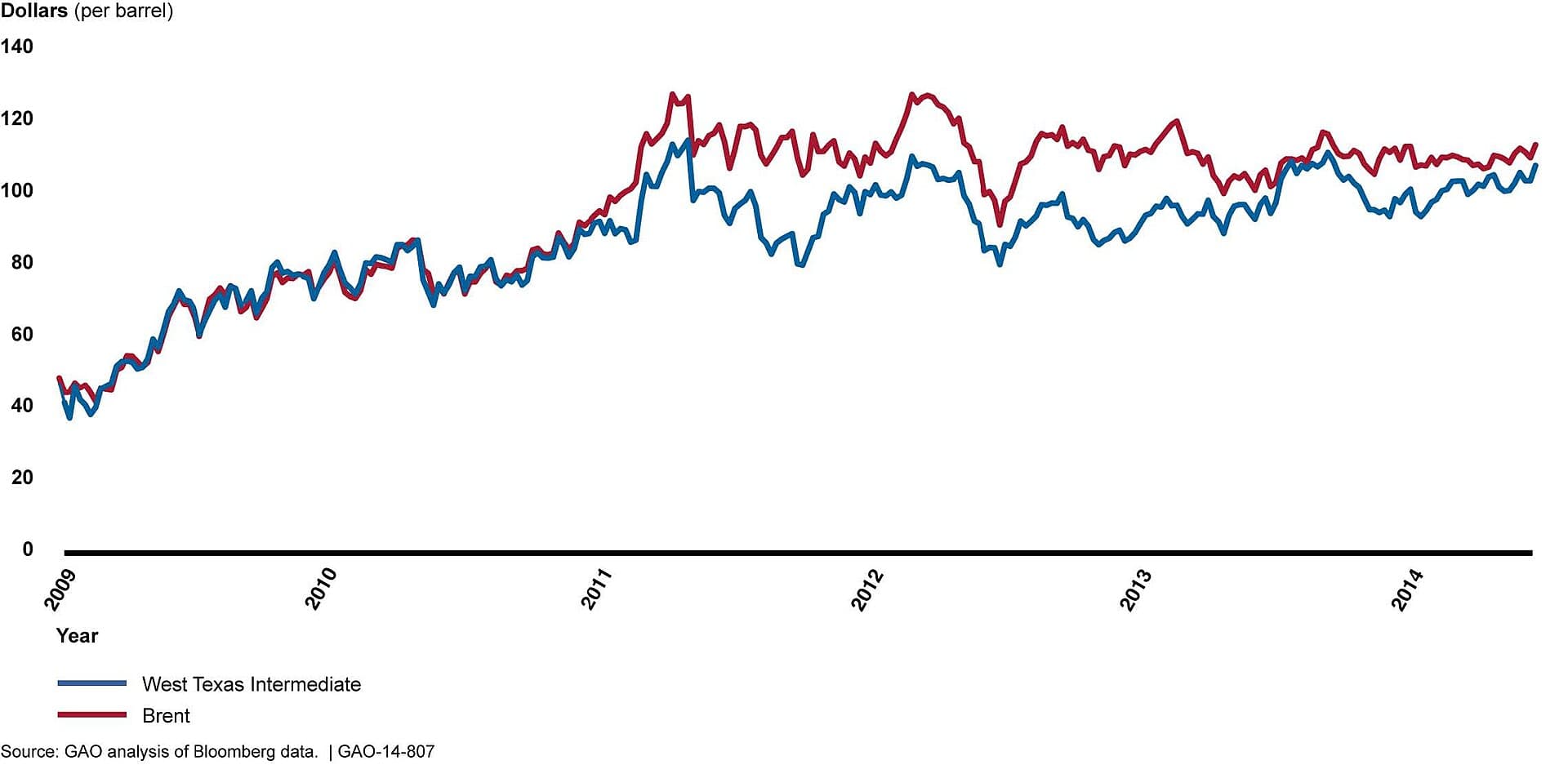
Oil prices fell on Wednesday, paring some of the previous day's gains, as concerns over Middle East supply disruptions were offset by rising supply and the prospect of a market surplus. Brent crude futures fell 43 cents, or 0.5%, to $90.97 a barrel by 0137 GMT, while US West Texas Intermediate crude futures slipped 47 cents, or 0.6%, to $81.58 a barrel. Both benchmarks had gained more than 2% on Tuesday.
"Since the release of an IEA report this month, perceptions of a global supply glut have kept prices in check," said Tsuyoshi Ueno, senior economist at NLI Research Institute. "However, attacks on ships near the Strait of Hormuz and exchanges of attacks between Saudi Arabia and the Houthis have raised uncertainty over the sustainability of this trend," he said. The International Energy Agency said on November 13 that the world oil market would return to a surplus in the fourth quarter as Middle East exports recover faster than global oil demand.
Supply-side signals kept mounting. US crude stocks rose by 126,000 barrels in the week ended November 20, market sources said, citing American Petroleum Institute data, against an average estimate of about 1.5 million barrels from eight analysts polled by Reuters. Libya's Sharara oil pipeline has reopened after an "unlawful group" closed a valve, with oil beginning to flow into storage tanks at the Akakus facility in Zawiya, the chairperson of the National Oil Corporation said. Iraq is pressing OPEC+ to lift its estimate of the country's crude oil production capacity, four people familiar with the matter said, and China and India are on track for record Russian oil imports this year, according to tanker data and industry sources.
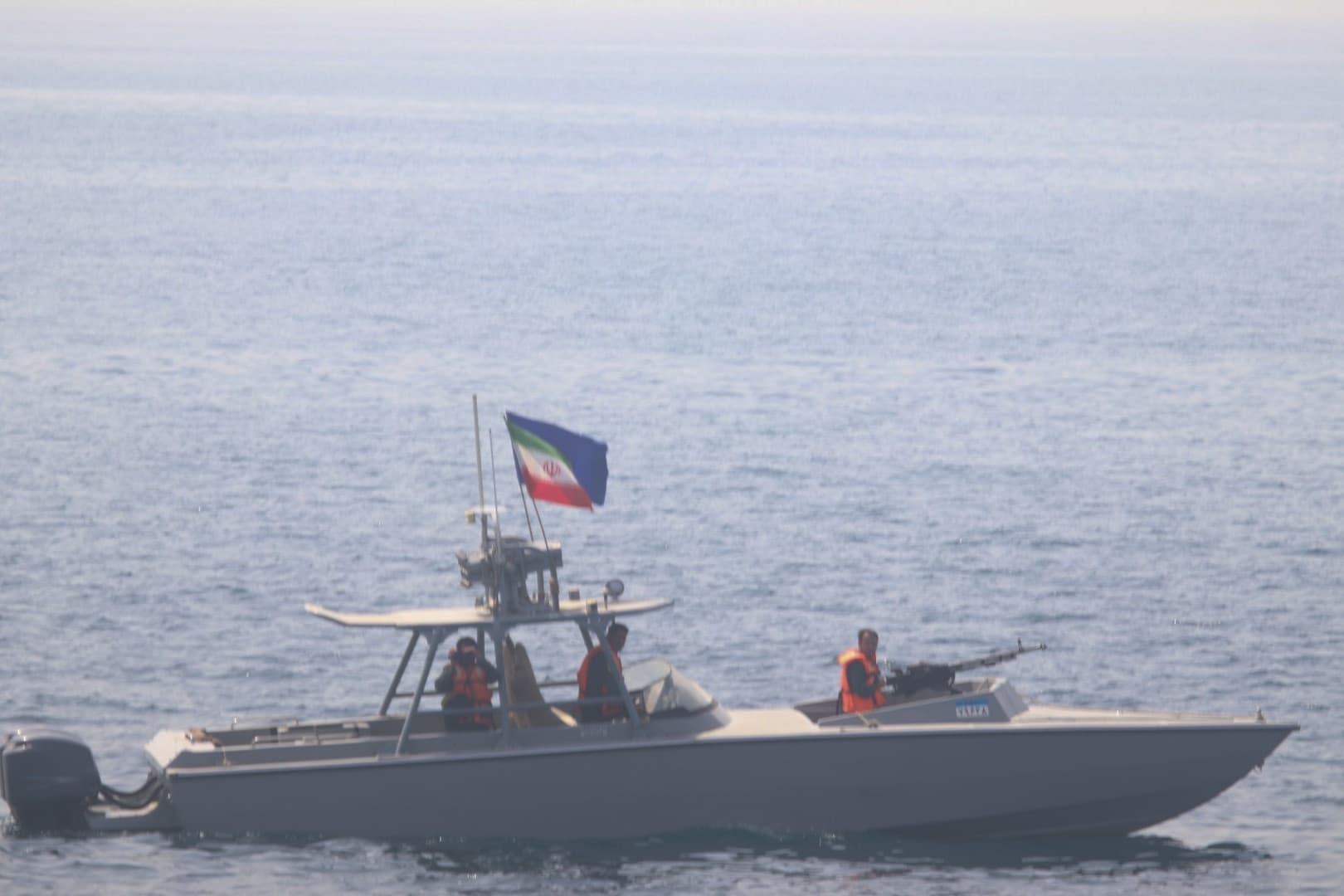
Security risks in the Middle East remain live. Iran's Revolutionary Guards said a container ship was targeted while sailing an "unauthorised" route near the Strait of Hormuz, according to state media, and the United Kingdom Maritime Trade Operations said three vessels were struck by unidentified projectiles as they sailed east through the strait on Monday.
The next marker is OPEC+, whose ministers meet on November 29 to decide their 2027 output policy. Ueno said attention is also focused on how next year's production quotas will be determined.