Aurangzeb sets out reform priorities in meeting with UK high commissioner
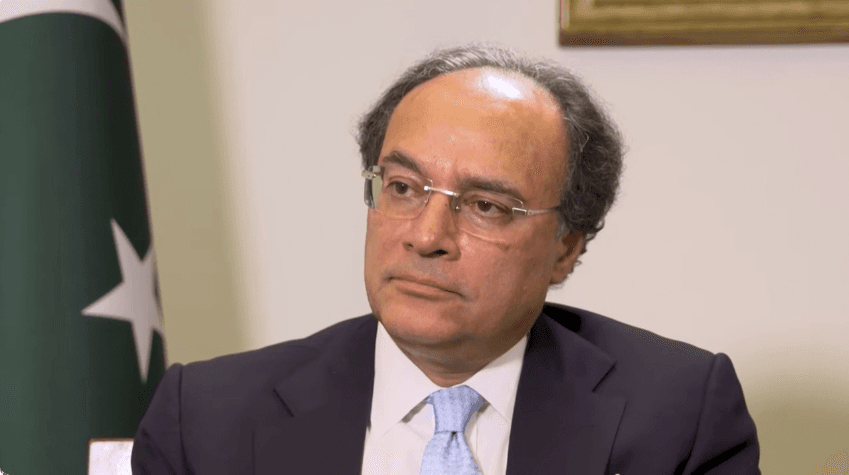
Federal Minister for Finance Muhammad Aurangzeb met British High Commissioner Jane Marriott to discuss Pakistan's economic reform priorities and ways to deepen trade and investment cooperation between Pakistan and the United Kingdom, according to an account of the meeting.
The high commissioner said the UK retained an interest in supporting Pakistan's economic transformation through technical assistance aimed at strengthening the institutional and policy framework for investment, trade and private-sector development, and she welcomed the issuance of Pakistan's $3 billion dual-tranche sovereign Eurobond, describing it as significant for investor confidence and international market access.
Aurangzeb set out six priorities for the government: bringing permanence to macroeconomic stability; moving from stabilisation to sustainable, inclusive and responsible growth; staying the course on structural reforms; shifting from aid to trade and investment; expanding access to finance; and positioning Pakistan for what he termed the "New Economy". The two sides discussed reform priorities with particular emphasis on fiscal management, tax administration, digitalisation, expenditure efficiency, trade and investment promotion, public investment and public-private partnerships.
On bilateral trade and investment, the high commissioner pointed to the potential contribution of UK companies and diaspora networks to private-sector development, including support for the growth and internationalisation of small and medium-sized enterprises.
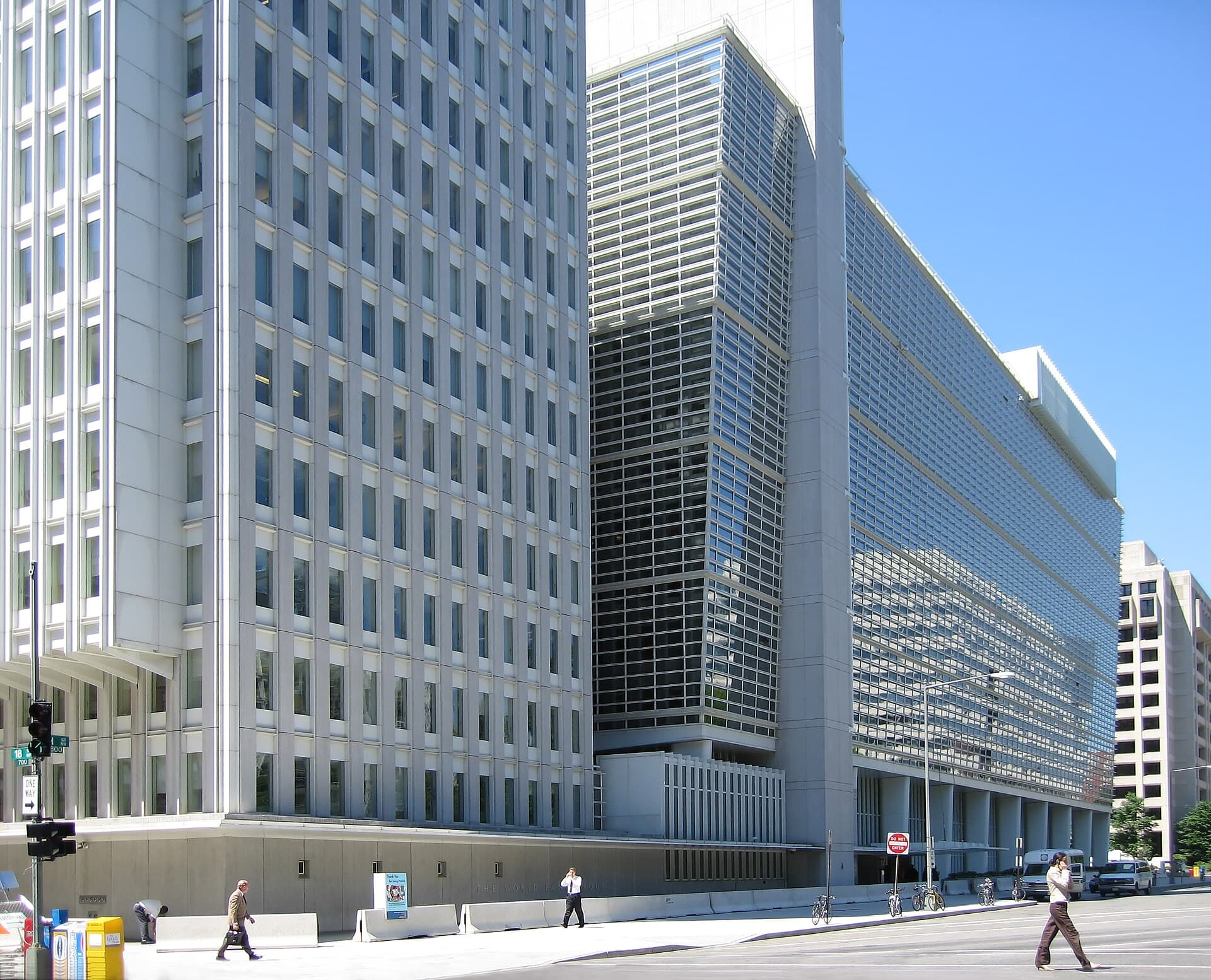
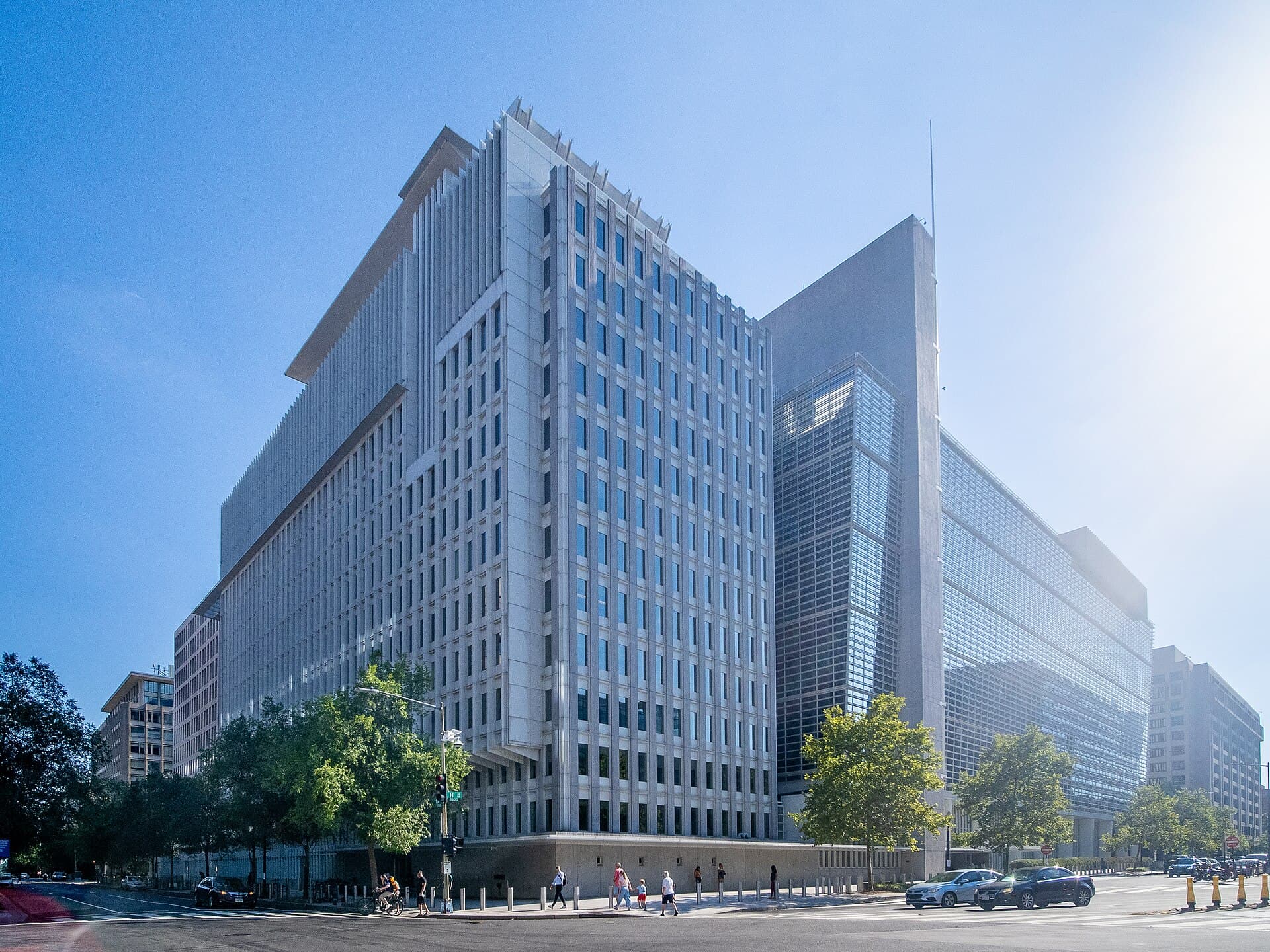
Separately, Aurangzeb met a World Bank delegation led by Country Director Bolormaa Amgaabazar to review progress under the ongoing economic reform partnership. The discussions covered implementation priorities across growth, jobs, fiscal management, revenue mobilisation, capital-market development, trade and investment, and institutional reforms.