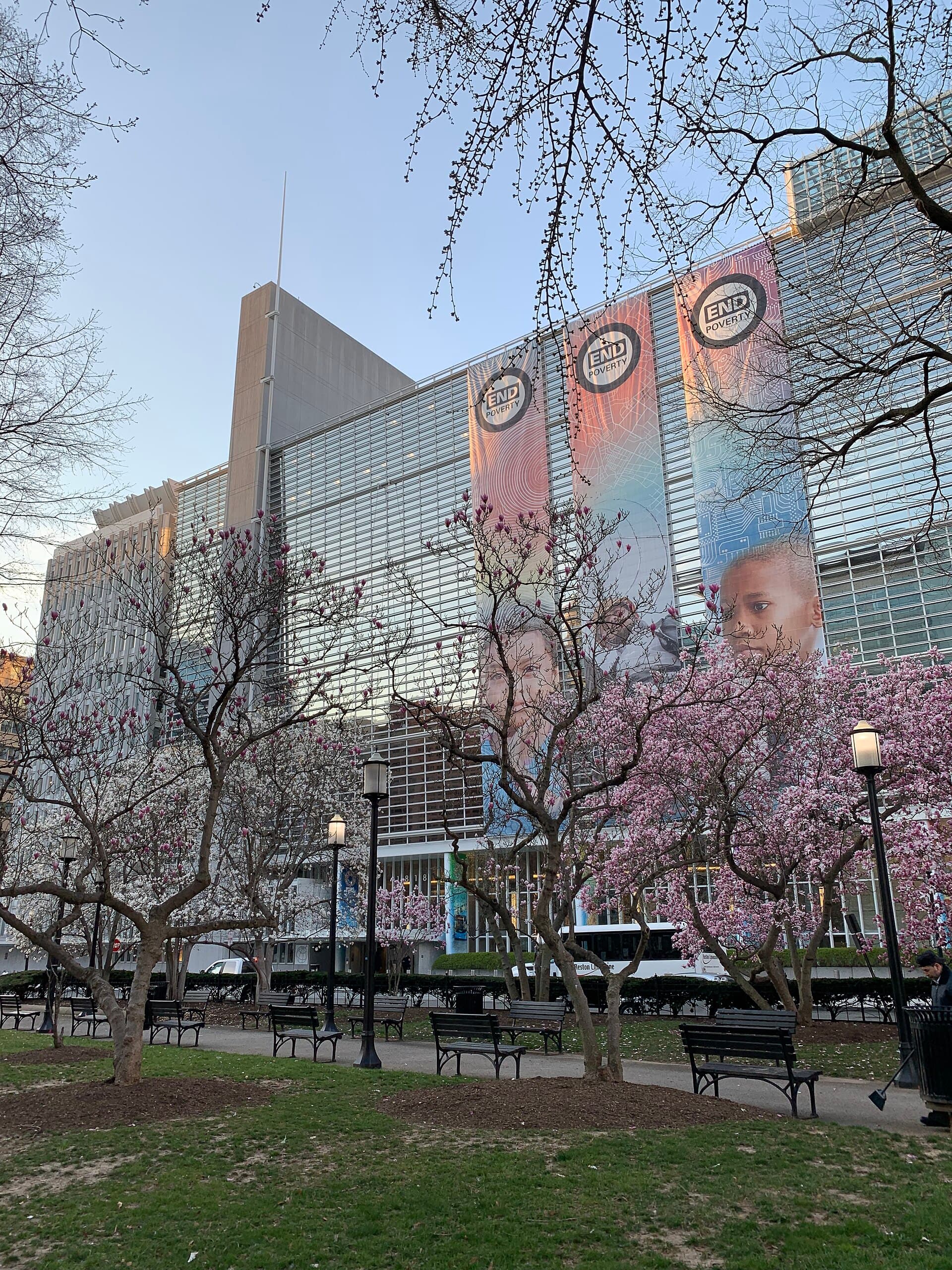
IMF-World Bank meetings in Bangkok dominated by Iran war and debt

Finance officials gather in Bangkok this week for the annual meetings of the International Monetary Fund and World Bank, the first held outside Washington in three years, with the widening war in the Middle East, an energy supply shock and rising interest rates set to dominate an agenda already overshadowed by sluggish global growth. IMF Managing Director Kristalina Georgieva warned in her curtain-raiser speech last week that "Winter is coming".
Georgieva told Reuters that 18,000 people were registered to attend, 4,000 more than at the last off-site meetings in Morocco in October 2023. US Treasury Secretary Scott Bessent will not attend, sending two senior officials instead while he handles "domestic engagements", according to a US official, and is also skipping a meeting of the Group of 20 that the US leads this year. Federal Reserve Board Chairman Kevin Warsh will attend and is due to appear at a public event with Georgieva on 16 October. Several other finance ministers are staying home for budget and election duties, Georgieva said, though most central bankers will travel.
World Bank President Ajay Banga told Reuters that global growth had held up better than feared after Iran's closure of the Strait of Hormuz shut off some 20% of the world's oil, but that pressures were building again. He pointed to soaring diesel prices, rising fertiliser costs and a looming super El Niño weather effect that experts say could lead to 450,000 heat-related deaths. Group of Seven countries have agreed to release 100 million barrels of diesel and crude from emergency reserves under pressure from US President Donald Trump, who wants lower petrol prices before November elections; Trump has also announced a deal with Russia for more diesel and a temporary waiver of US sanctions, drawing criticism from Ukrainian President Volodymyr Zelenskiy. Industry executives say the oil accessible to the global market is running low, leaving prices more fragile.
Public debt is at its highest level since World War Two and is projected by the IMF to exceed 100% of GDP before 2030. Advanced economies led by the United States carry the highest debt-to-GDP ratios, but emerging markets and low-income countries are seen as most vulnerable, facing capital outflows in search of higher US rates, the El Niño effect and a lack of investment in artificial intelligence. Developing countries face $400 billion in debt payments to external creditors in 2026, with interest payments already above 10% of revenue on average, according to the fund. Iolanda Fresnillo, who works on debt justice at Eurodad, said countries were already cutting expenditure because of rising debt payments and IMF conditionality, and warned that a review of the fund's conditionality policy risked making matters worse.
Security is also shaping the gathering, with flight routes to Bangkok often passing through the Middle East after recent attacks on Saudi airports. The IMF has signalled little change to its 3% global growth forecast for 2026 and may edge next year's forecast slightly higher, although it expects downgrades for Ukraine and for Gulf countries hit by Iranian strikes and reduced energy exports. Josh Lipsky, vice president of international economics at the Atlantic Council, said policymakers had to become more agile in responding to geopolitical crises: "They have to be proactive and they have to recognize that they don't live in the world they used to."
Image: Victorgrigas / CC BY-SA 3.0