China cuts margin bar to 80% as Asia moves to halt stock rout
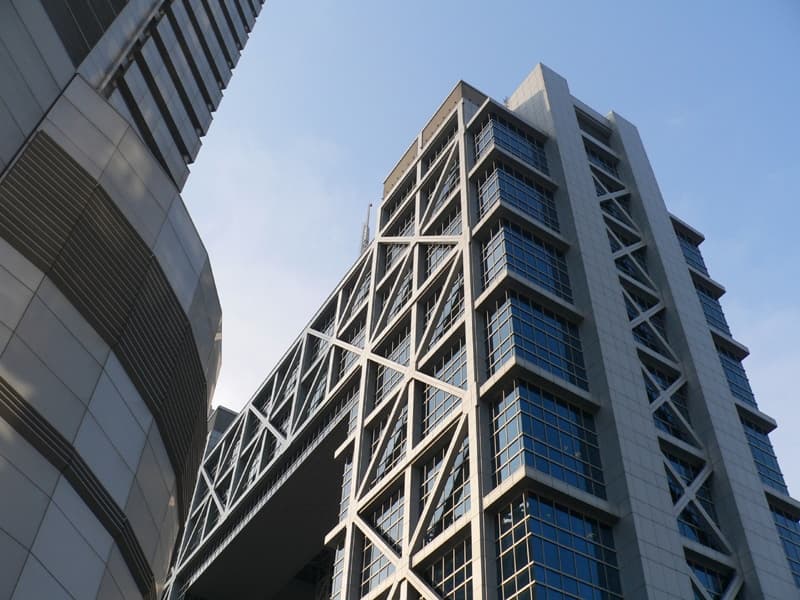
China will cut the minimum margin requirement for investors buying shares with borrowed money to 80% from 100% on November 30, the Shanghai, Shenzhen and Beijing stock exchanges said in notices issued with the approval of the China Securities Regulatory Commission. The exchanges had raised the ratio to 100% from 80% in January to curb leverage risks.
The regulator said the adjustment reflects a marked decline in margin-financing activity and relatively low overall leverage. Brokerages may apply the revised rules to outstanding financing contracts when calculating available margin balances, while investors engaged in abnormal trading may face stricter requirements and other risk controls. The change could release nearly 400 billion yuan (US$60 billion) in additional funds, the Xinhua News Agency reported, citing the regulator.
The move is the latest in a series of efforts to restore confidence after a months-long selloff pushed the benchmark CSI 300 Index into a bear market. The gauge fell more than 8% in October, its worst monthly performance in more than a decade, as economic weakness and a sharp reversal in technology shares weighed on sentiment.
South Korea also announced phased measures on Sunday after an emergency meeting of top financial officials, including ensuring a stock stabilisation fund is ready to respond when needed. Memory chipmakers Samsung Electronics and SK Hynix both fell more than 5% in pre-market trading in Korea. "The government is preparing a 10 trillion won market stabilization fund, though the size looks insufficient to materially change near term sentiment," said Shawn Oh, head of Korea cash equities at NH Investment & Securities. He said a sustained return to tech likely requires clearer resolution of Nvidia-related uncertainty, evidence that AI demand remains resilient despite tighter US chip export controls on China, and geopolitical easing that brings oil meaningfully lower.
Taiwan widened curbs on short selling of local stocks and said it has been buying shares, after its benchmark index suffered its worst weekly fall in 35 years. Japanese markets are closed on Monday for a holiday. The Shenzhen Stock Exchange is separately proposing market makers on its ChiNext board under draft rules released for public comment, aimed at broadening the pool of market participants and improving liquidity and pricing efficiency. China Securities Depository and Clearing Corp. will continue to waive issuer service and settlement fees for green corporate bonds, tech corporate notes and private-enterprise corporate bonds, excluding convertible bonds, from the start of 2027 through the end of 2028.
The People's Bank of China said this month it would conduct more than 100 billion yuan of swap operations to provide liquidity to securities firms, fund managers and insurers, while a relending programme for share buybacks and stake increases was made a longer-term mechanism and its interest rate cut to 1% from 1.25%. Those measures have so far struggled to produce a sustained turnaround, with concerns about sluggish domestic demand, the prolonged property downturn and fading enthusiasm for the AI trade continuing to weigh on investor confidence.