US stablecoin yield fight echoes Brazil's decade-old free-soda battle

American banks killed the Clarity Act in September, and the fight came down to one question: should stablecoins be allowed to pay interest? Lenders argued that if stablecoins out-yield bank deposits, money drains from banks, credit dries up and households and small firms pay the price. The crypto industry wanted the yield. The banks, with far more lobbyists, won.
The credit argument does not survive contact with how banks actually work. A bank does not lend João's deposit to Pedro; it types a number into Pedro's account, creating a new deposit. What limits that is capital, not deposits. Deposits are cheap funding and a profit machine, and when they leave, a bank pays more for money elsewhere. That hits its margin, not the economy's supply of credit. The United States tested this recently: deposits fell for six straight quarters as rates rose in 2022 and 2023, money market funds took in $1.1 trillion in 2023 alone, and bank lending still grew 8.7% in 2022 and kept rising in 2023. Banks simply started paying depositors more, with average funding costs jumping from 0.55% to 2.13% in a year.
Brazil settled the question more than a decade ago. Since the central bank created the payment institution licence, fintechs have paid 100% of the CDI or more on account balances. The banks complained, then competed, and users generally came out ahead. The same pattern held when savings-account deposits, long tied by rule to housing credit, shrank by more than R$300 billion over five years of net withdrawals. Rather than shield savings from competition, the central bank in October 2025 announced a new housing credit model that scraps the 65% savings-to-housing requirement after a transition, fully effective in January 2027, letting institutions that take no savings fund mortgages from the market. Housing credit still hit records in 2024 and grew again in 2025, and Brazilian banks earned a record R$255 billion in 2025.
There is a fair version of the banks' case: some research suggests smaller lenders that lean heavily on deposits do cut credit when deposits leave quickly. That argues for careful transitions, as Brazil's central bank is running on housing credit, not for keeping savers earning zero indefinitely. With Brazil's Selic at 13.75%, anyone funding below that rate is receiving a subsidy, and the saver with an idle current-account balance is often the one paying it. Moving money to a better-paying account, a payment account or a stablecoin does not remove credit from the economy. It just stops the saver from buying the bank's free soda.
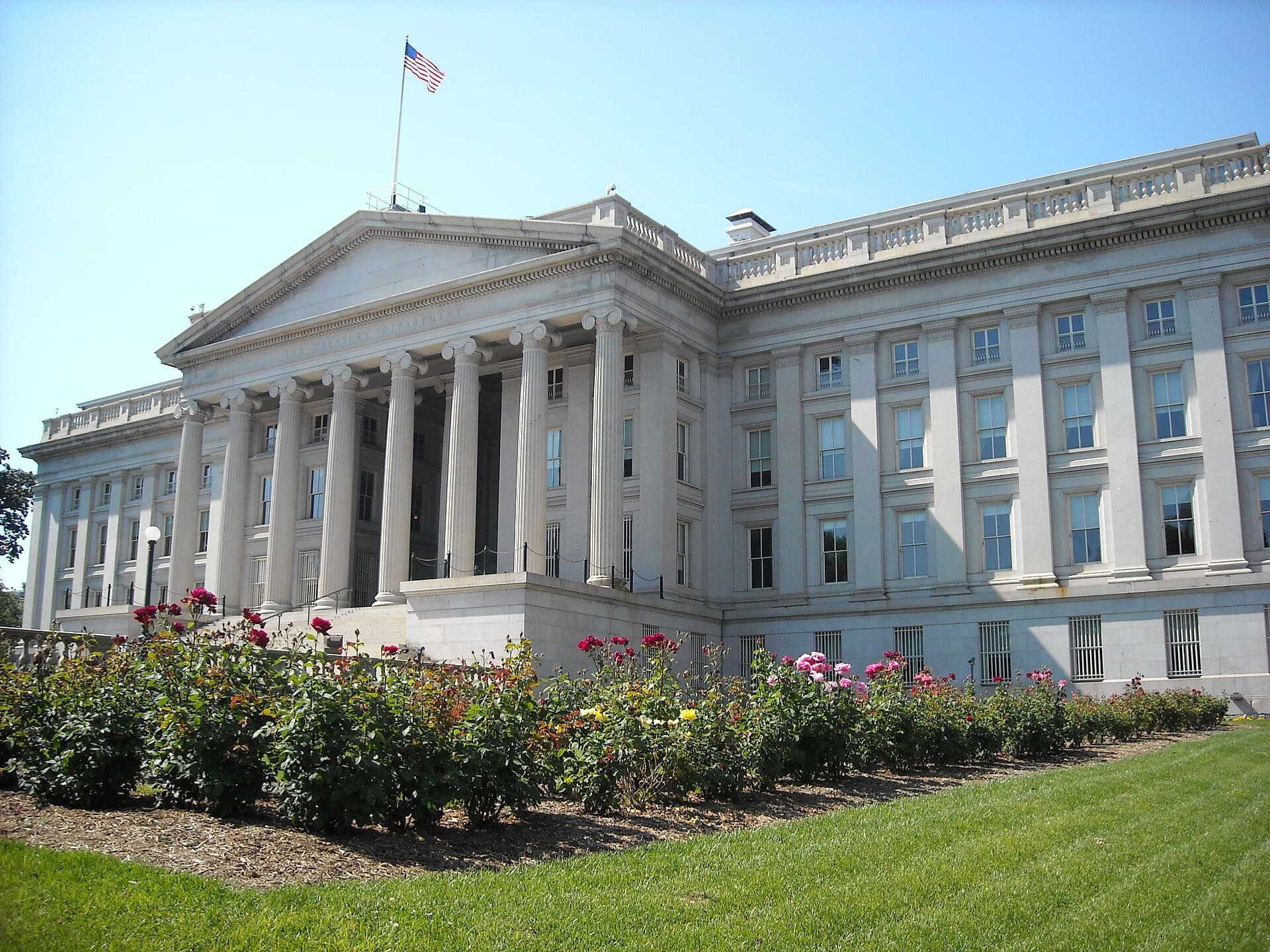
Image: Paulo Rená da Silva Santarém / CC BY-SA 2.0