EU rejects COP31 deal, says a minority can derail the whole process
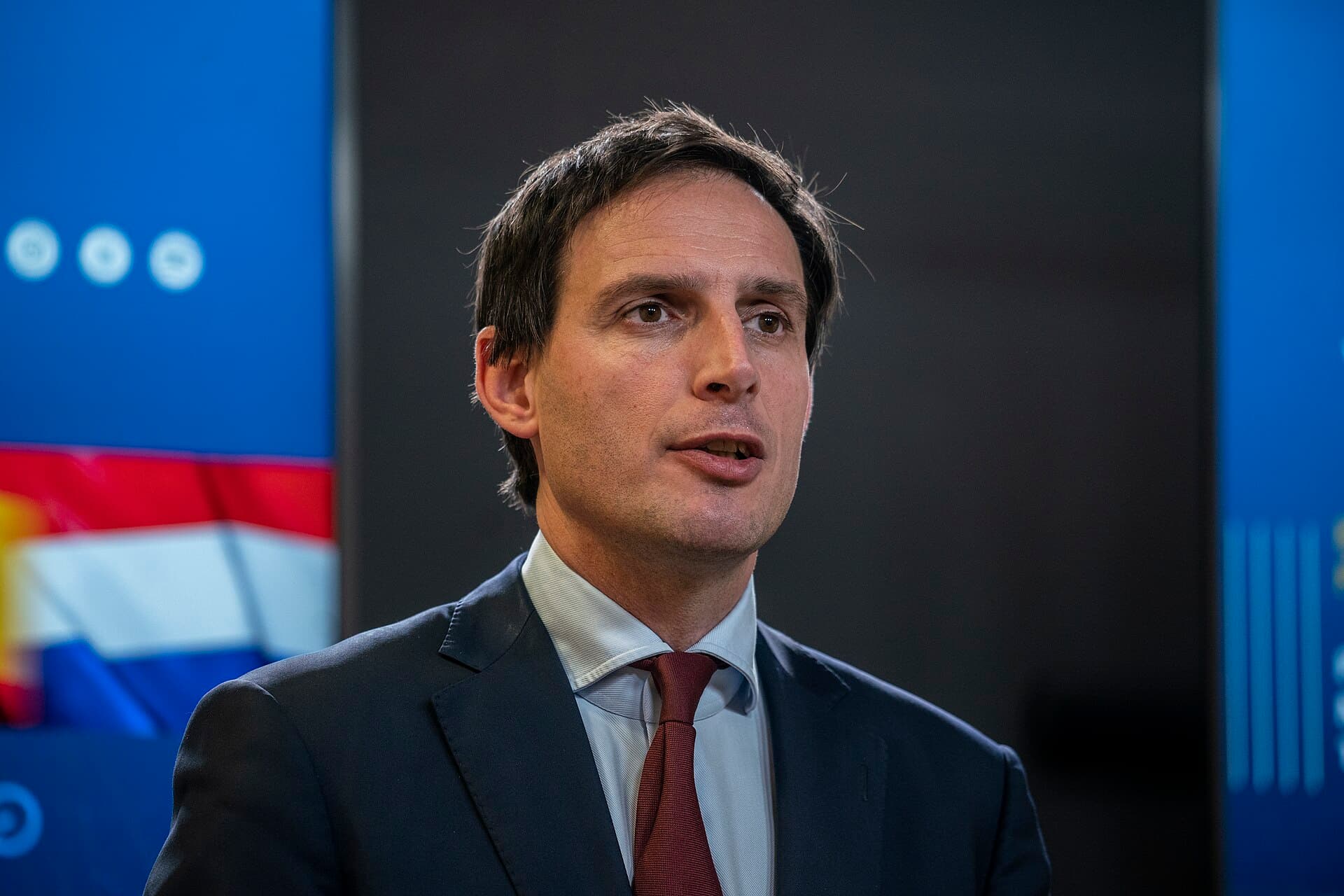
The European Union refused to sign off on a COP31 agreement in Antalya because it would have marked a retreat from the world's earlier commitment to move away from fossil fuels, the bloc's chief negotiator said. Wopke Hoekstra, the EU climate commissioner, told Bloomberg News that the collapse of talks in Turkey showed multilateralism is in a "critical state" and that alternatives outside the UN process will be needed to make progress on climate change.
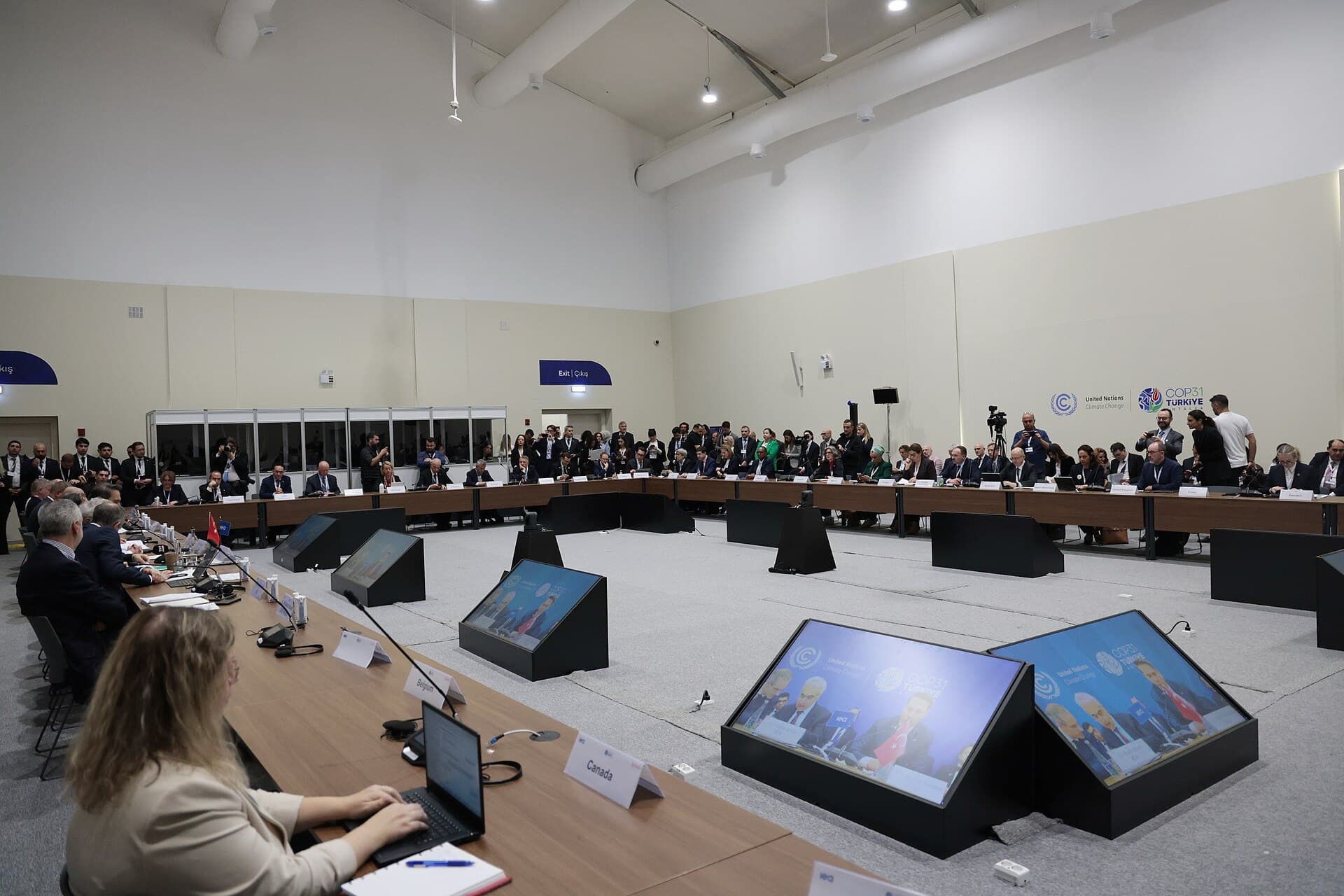
The summit ended without a major deal among the nearly 200 countries represented, weeks after the UN warned for the first time that the planet is on course to overshoot the Paris Agreement goal of holding temperature rise to 1.5°C above pre-industrial levels. The EU, Norway, Panama and Vanuatu refused a proposal that made no mention of fossil fuels; the impasse also covered financial aid to poorer countries and carbon capture.
Hoekstra said a small group of countries had been able to sabotage the process, in a reference to fossil fuel producers. "The central weakness of the system is clearly that a minority, however small, has the ability to derail the entire process," he said. "This was a rollback from the entire foundation of a world that is already overshooting the limit: the elementary fact that the burning of fossil fuels is at the centre of the planet's warming."
According to Hoekstra, Turkey's hosts of the summit could not or would not reaffirm the historic commitment made in Dubai three years ago to transition away from fossil fuels, the main cause of climate change. He also called the COP31 presidency's proposal to accelerate the use of carbon capture and storage "deeply concerning" - a technology that critics say distracts from the priority of cutting emissions.
The failure leaves the UN climate process without a new agreed text, with the EU's negotiator pointing to work outside that framework as the route forward.