China's robot makers have mastered the moves, now comes the race for brains
Chinese embodied AI companies raised 93.5 billion yuan ($13 billion) across 322 deals in the first half of 2026, five times the amount a year earlier, according to data research firm ITjuzi. The money is flowing into software that lets robots understand their surroundings and learn unfamiliar tasks without being reprogrammed for every job, after years in which Chinese firms built humanoid machines capable of running, dancing and performing backflips.
The pivot follows falling hardware prices. As competition drives down the cost of the machines, robot makers have concluded that the margin will not come from the hardware but from the brain, said Dermot McGrath, founder of Shanghai-based technology consultancy ZenGen Labs. Gao Yang, co-founder of Spirit AI, said the brain is indeed the weakest link in the complete robotics stack.
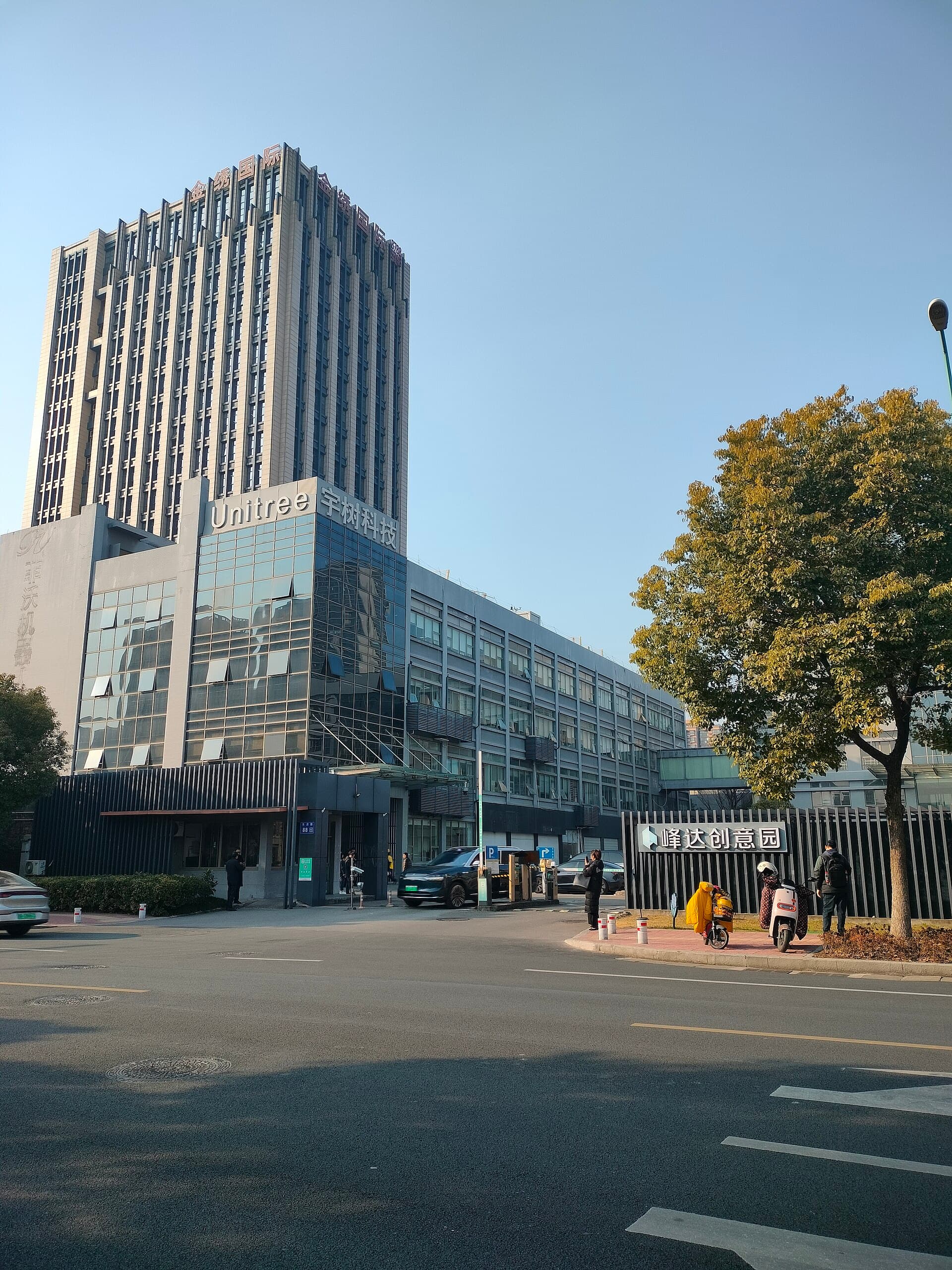
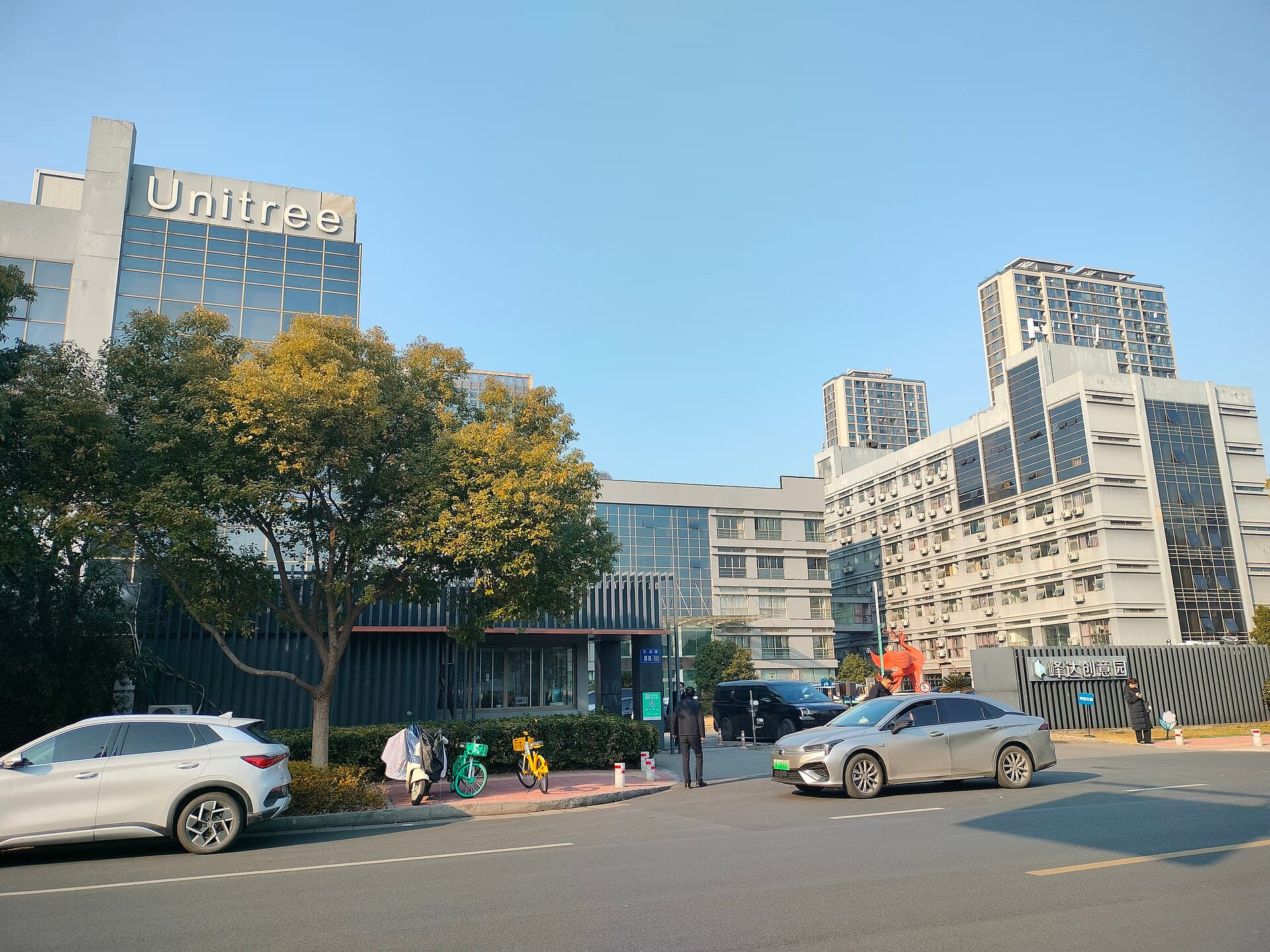
The field is opening a new front in US-China tech rivalry. American startups including Physical Intelligence, Skild AI and Generalist are developing software to teach robots skills without extensive retraining, while Chinese specialists X Square, Galaxea and Spirit AI have each reached valuations of roughly $3 billion, according to company disclosures. X Square co-founder and COO Yang Qian said the aim is for robots to shift from being driven by code to being driven by common sense. Established manufacturers are investing too: Hong Kong-listed UBTech advertised a chief scientist role paying up to 124 million yuan ($18 million) including equity, and Unitree has about 30 researchers working on AI that predicts how objects behave, according to a person briefed by the company.
Training data is the bottleneck. Spirit AI has hired around 1,000 people to record everyday and industrial activities, while Ant Group's robotics unit Robbyant said it trained a model on 160,000 hours of material, including 50,000 hours of human-guided robot movements. DexForce uses computer-generated environments and says it can prepare some industrial tasks for deployment within 6 to 8 hours. X Square's Yang said data quality is more important than data diversity, and more important than simply collecting data at massive scale.
Deployments are already under way. Battery maker CATL said Spirit AI robots connect flexible wires during battery-pack testing at its Zhongzhou plant, with insertion success above 99%, and Robbyant said its robots handle orders in two Shanghai pharmacies. But US export controls have left Chinese firms short of advanced Nvidia chips, and a squeeze on IPO funding amid regulatory concern over inflated valuations adds pressure. Unitree founder Wang Xingxing said GPT-7, if released next year, could bring robotics its own ChatGPT moment; consultant Georg Stieler cautioned that a breakthrough in demonstrations would not mean robots were ready for commercial use, adding that if the question is when a customer can count on it, he would add years, not months.