Anthropic files confidentially for an IPO as Unitree robots list in Shanghai
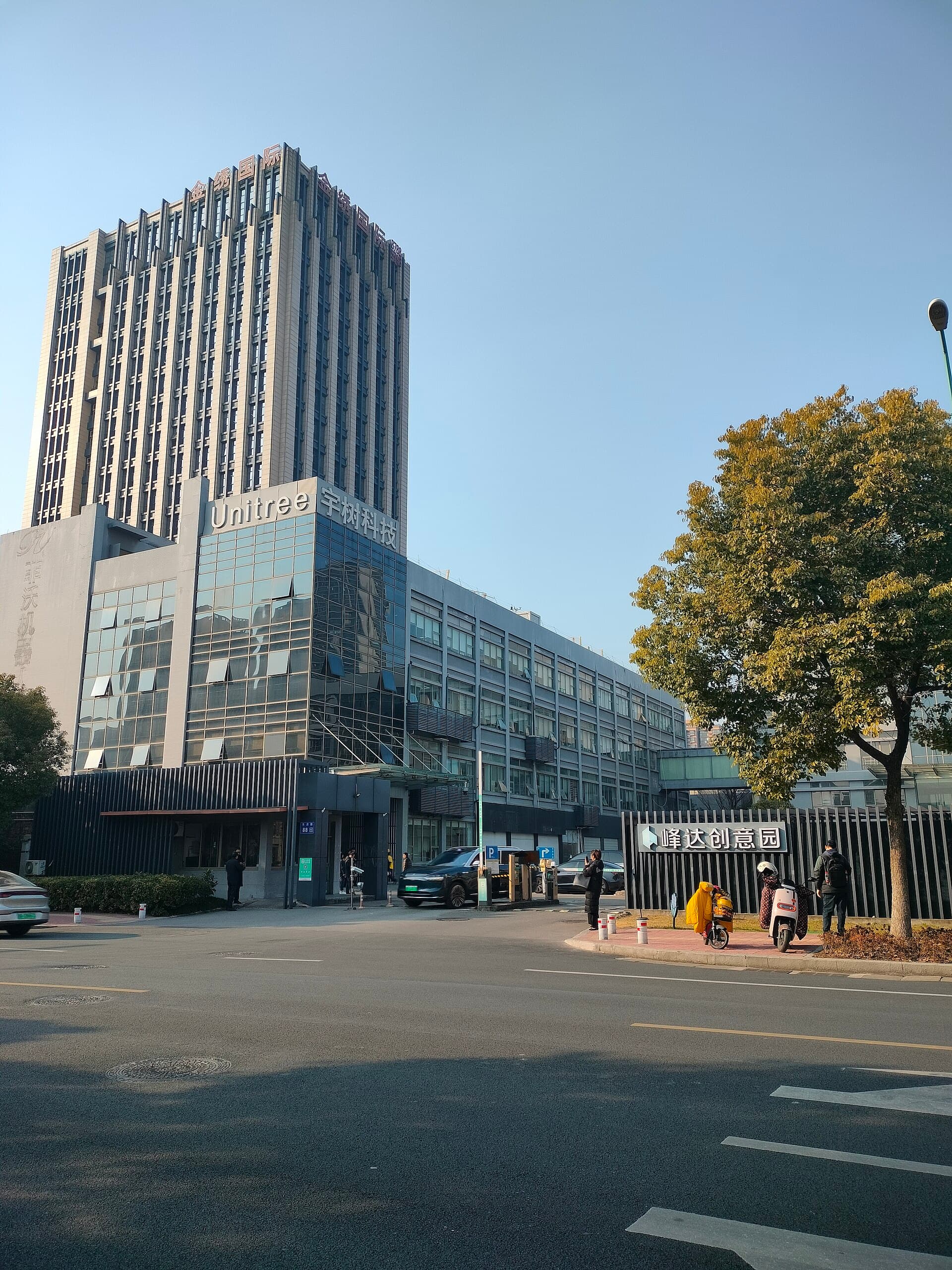
Anthropic, the maker of Claude, filed a confidential registration with the US Securities and Exchange Commission on 1 June 2026 for an initial public offering, according to Token Times. The Nasdaq listing and ticker have not been confirmed. The filing lands in the same year that Unitree, the Chinese builder of humanoid and quadruped robots, began trading on the Shanghai Stock Exchange on 19 August 2026 — a coincidence that frames the question investors will have to answer: who captures the value when AI stops generating answers and starts operating machines, laboratories and factories?
The strategic direction matters more than the debut valuation. Anthropic's Model Hardware Standard, a research preview, proposes standardised interfaces so AI agents can discover, supervise and operate programmable physical devices such as microscopes, liquid handlers and robotic arms. Partners in the preview include AWS, Automata, Danaher, Doosan Robotics, MBF Bioscience and QIAGEN, and Anthropic plans to publish the specification as open source after safety testing. The ambition is to let one AI coordinate laboratory instruments, robotic arms and industrial equipment without rebuilding every integration from scratch.
NVIDIA's Jensen Huang has been laying out the same arc for years: systems that perceive, then generative models, then agents that reason and use tools, then systems that understand and interact with the physical world. At GTC 2025 the company put it plainly — agentic AI is here, physical AI is next. NVIDIA has built toward that frontier with accelerated computing, simulation and world-foundation models through tools such as Isaac Sim and Cosmos, letting robots learn partly in virtual environments before facing a factory floor. On 2 September 2026 NVIDIA agreed to acquire Hugging Face for about 12,930 million dollars, a deal expected to close in the first half of 2027 subject to regulatory approval.
Unitree's first session was strong, but its shares have since fallen about 45% from their peak, a reminder that a share price does not measure the productivity of a machine. A robot that walks demonstrates technical capability; a robot that inspects equipment, cuts waste, handles materials or raises the uptime of a production line demonstrates economic capability. Between an impressive simulation and a profitable industrial installation lies engineering: cameras, actuators, controllers, communications, safety systems, latency, calibration and failure modes — and, above all, proof that the whole stack lowers costs or raises revenue.
That gap is where Anthropic sees a market. It does not need to solve humanoid robotics to find one; making millions of existing machines more flexible, intelligent and productive would be a far more concrete proposition than promising a general intelligence that can do everything. The listings tell the sequence: NVIDIA in 1999 as a graphics chipmaker, Mobileye in 2014, Serve Robotics in 2024, CoreWeave in March 2025 at 40 dollars a share, Unitree in August 2026 and now Anthropic. Capital first funded the computing, then perception and autonomy, then the infrastructure to train models. The next contest is over who connects intelligence, machines and productivity — and who keeps the value that connection creates.