Oil crosses $105 after US strikes on Iran's Qeshm Island
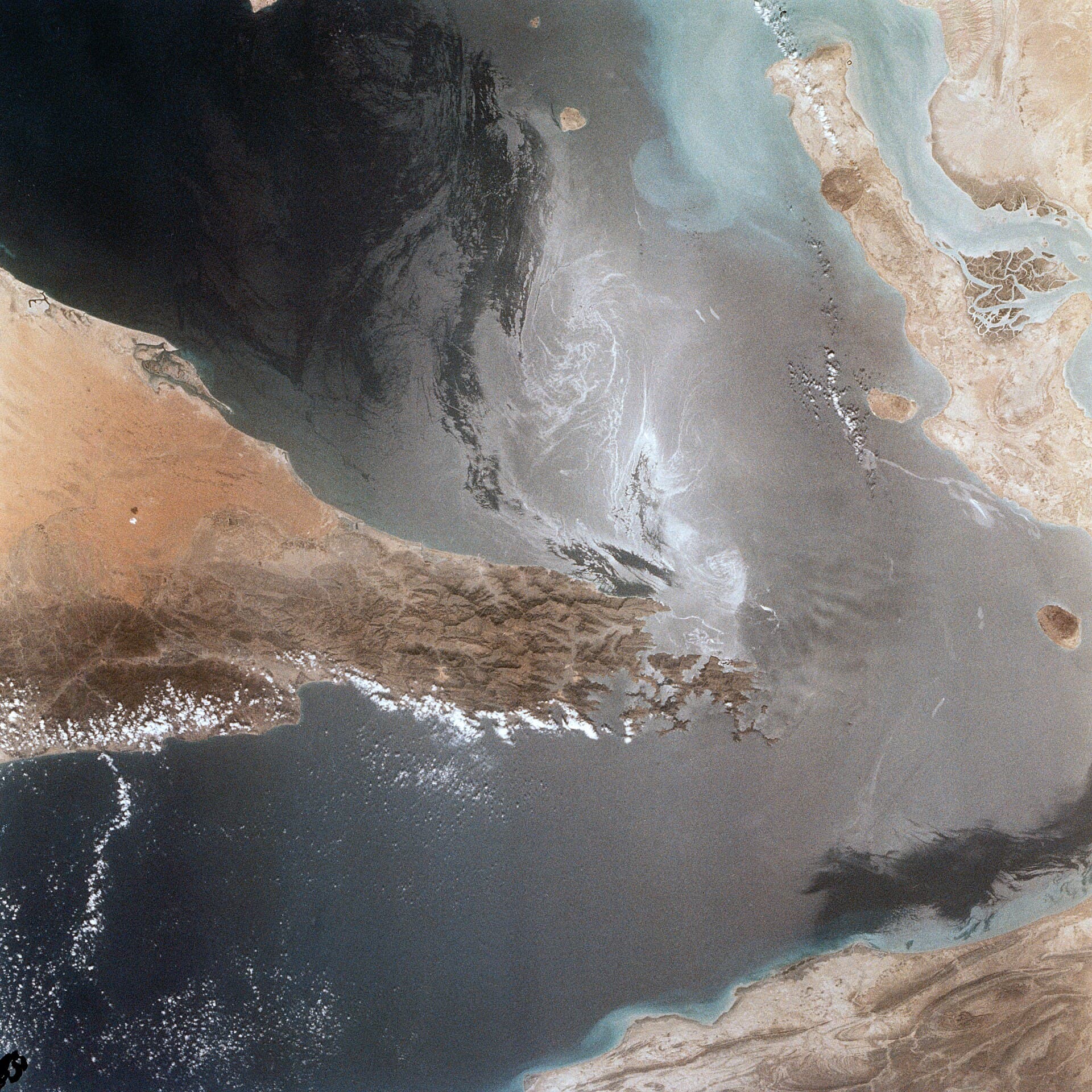
Brent crude climbed back above $105 a barrel on Tuesday after US forces struck Iran's Qeshm Island, putting the Strait of Hormuz — the waterway that carried about a fifth of the world's crude oil and natural gas supplies before the conflict began in late February — back at the centre of oil pricing.
Brent, the benchmark for two thirds of the world's oil, was trading 2.03 per cent higher at nearly $107 a barrel at 12.52pm UAE time, while West Texas Intermediate was up 1.75 per cent at $98.15. The move reverses part of Monday's slide, when both benchmarks fell more than 7 per cent, with Brent settling at $104.77 and WTI at $96.46.
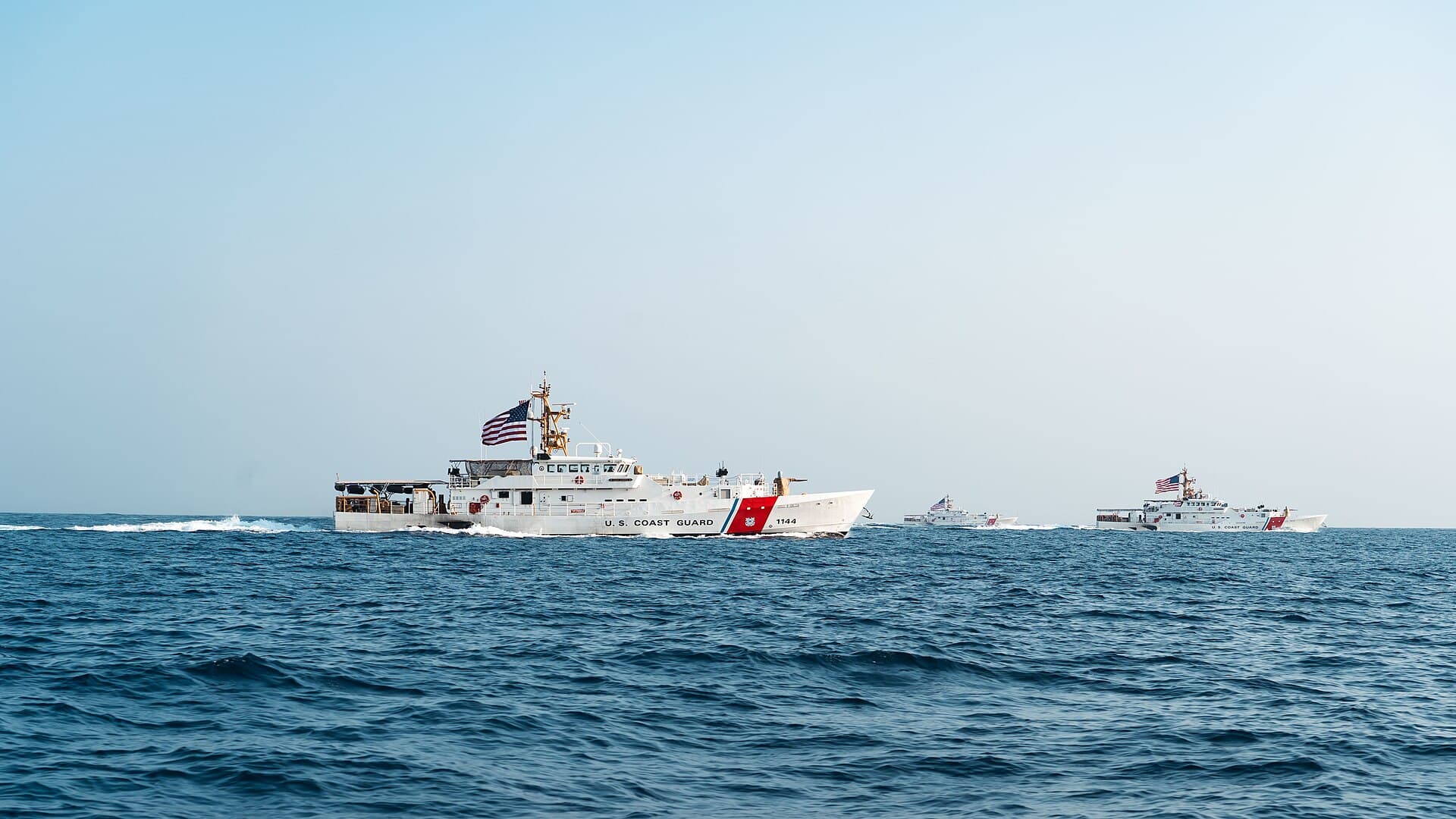
US officials described the strikes as defensive measures aimed at preventing Iran from targeting commercial vessels in the strait, according to Token Times. Iranian state media reported several explosions on the island, which sits at the mouth of Hormuz. The strikes were carried out on a smaller scale and deliberately kept secret so as not to signal any intent by Washington to resume a major military campaign against Iran, according to Token Times.
"Overnight US strikes renewed uncertainty, leaving crude near $105 per barrel this morning and the diplomatic opening vulnerable," said Daniel Richards, senior economist at Emirates NBD. The action lands as the US votes in midterm elections on Tuesday, and a day after President Donald Trump reportedly said he wanted to give diplomacy with Iran more time before considering renewed strikes.
"For oil, the decisive question will be whether the midterm elections can align the political pieces to pave the way for more normal supply conditions – or push that prospect further away," said Ipek Ozkardeskaya, senior analyst at Swissquote. "The clearest downside scenario for crude is credible de-escalation of geopolitical tensions followed by improving supply flows. The clearest upside scenario is renewed disruption while inventories continue absorbing the shortfall." She added that the elections "cannot, by themselves, reopen shipping routes, repair damaged infrastructure or reverse the AI impact on broader economies". Oil had already hit a six-month high at the end of October on Hormuz strikes and expectations the conflict could escalate after the midterms.