Pakistan weighs tokenising Eurobond debt as crypto licensing waits for first decisions
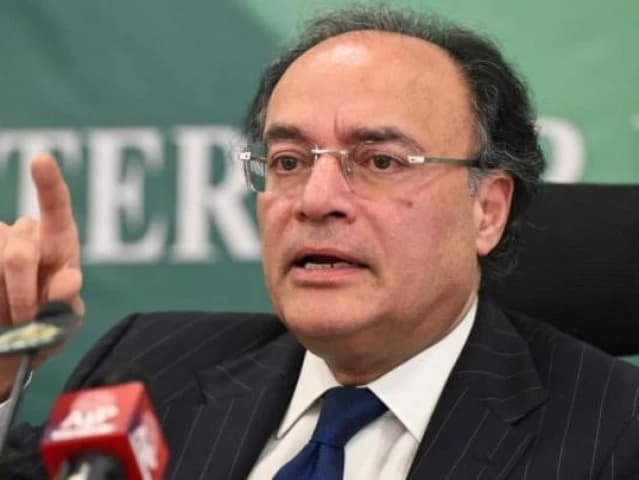
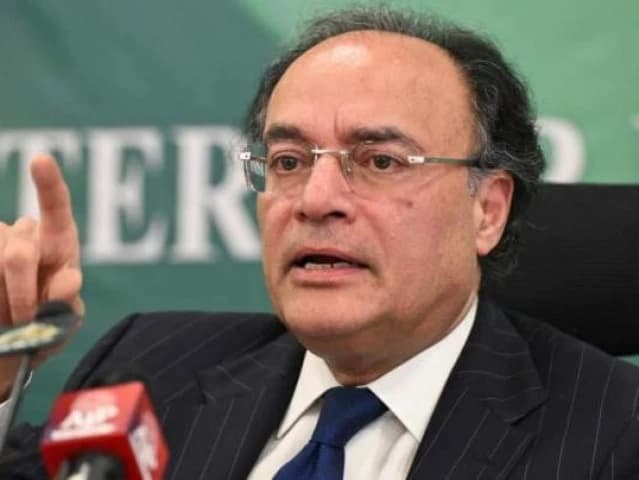
Pakistan is studying whether part of its existing Eurobond debt could be converted into digital tokens, Finance Minister Muhammad Aurangzeb said at a dialogue on digital assets and the future of banking organised by the Pakistan Banks' Association with the Lahore University of Management Sciences.
The Ministry of Finance is reviewing the proposal, and the government will seek cabinet approval before issuing a request for proposals. It has not yet finalised the plan or started the request-for-proposals process, and no amount, timeline or technical structure has been announced.
The proposal would put Pakistan among a small group of sovereigns exploring tokenised government debt, as the country's new virtual-asset regime takes shape. The Pakistan Virtual Assets Regulatory Authority (PVARA), which the Virtual Assets Act 2026 confirmed as the sector's regulator, notified the Pakistan Virtual Asset Services Regulations 2026 and the Activity Specific Regulations 2026 on August 21.
Firms that were already operating had until September 5 to apply for a no-objection certificate or stop operating, under an April advisory from PVARA. The authority's own guidance says it decides on a no-objection certificate within 60 days of a complete application and on a licence within 90 days, a period it can extend. A no-objection certificate is not a licence to operate.
PVARA's website lists no licence decision under the 2026 regulations. The only approvals it publishes are no-objection certificates for Binance and HTX, announced in December 2025. PVARA's chairman said in October that 75 domestic and international firms had applied.
The licence categories in the regulations include fiat-referenced and asset-referenced token issuance, the categories under which a stablecoin issuer would apply.