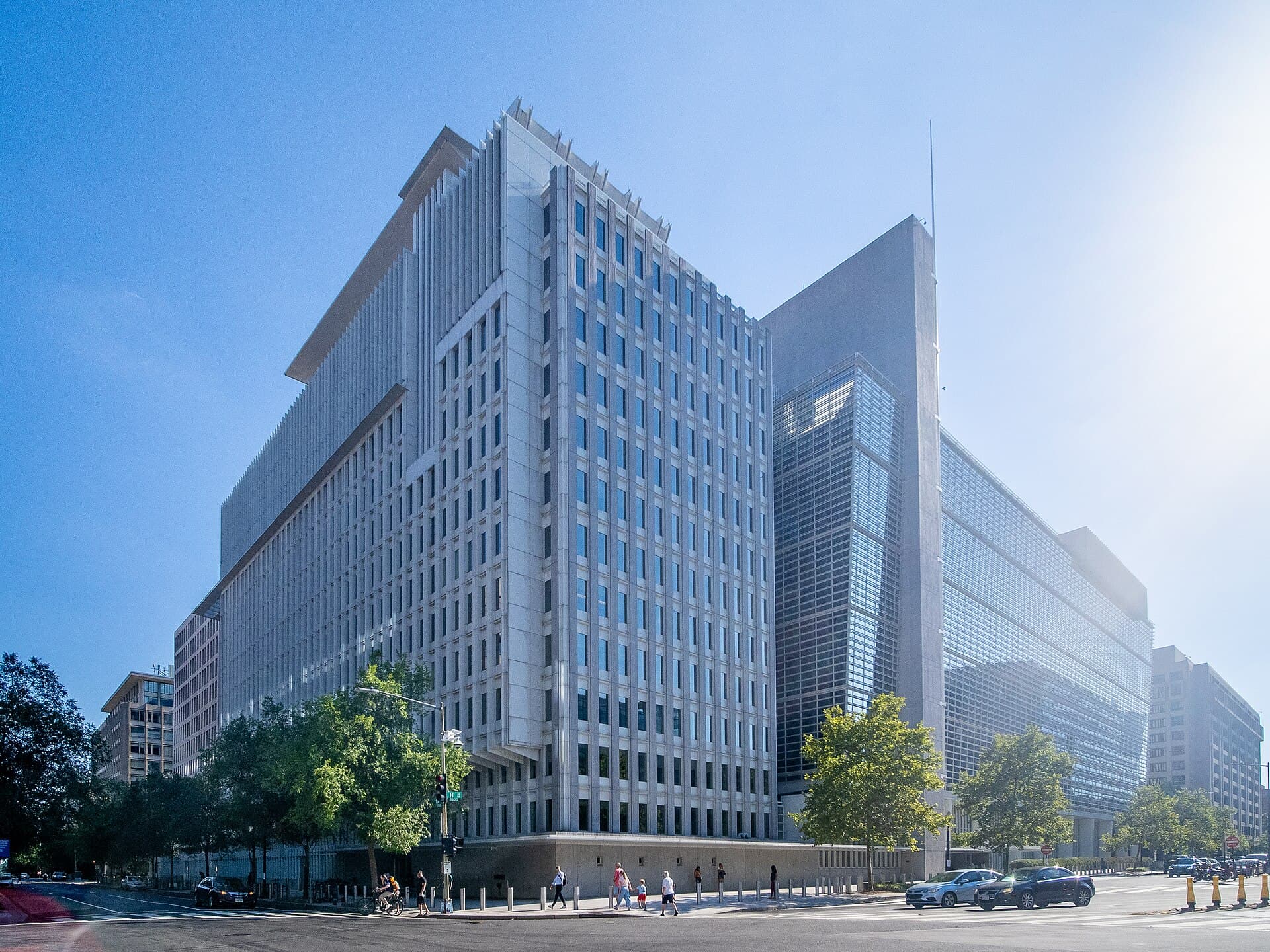
Punjab digitises 5,805 revenue villages in World Bank land project
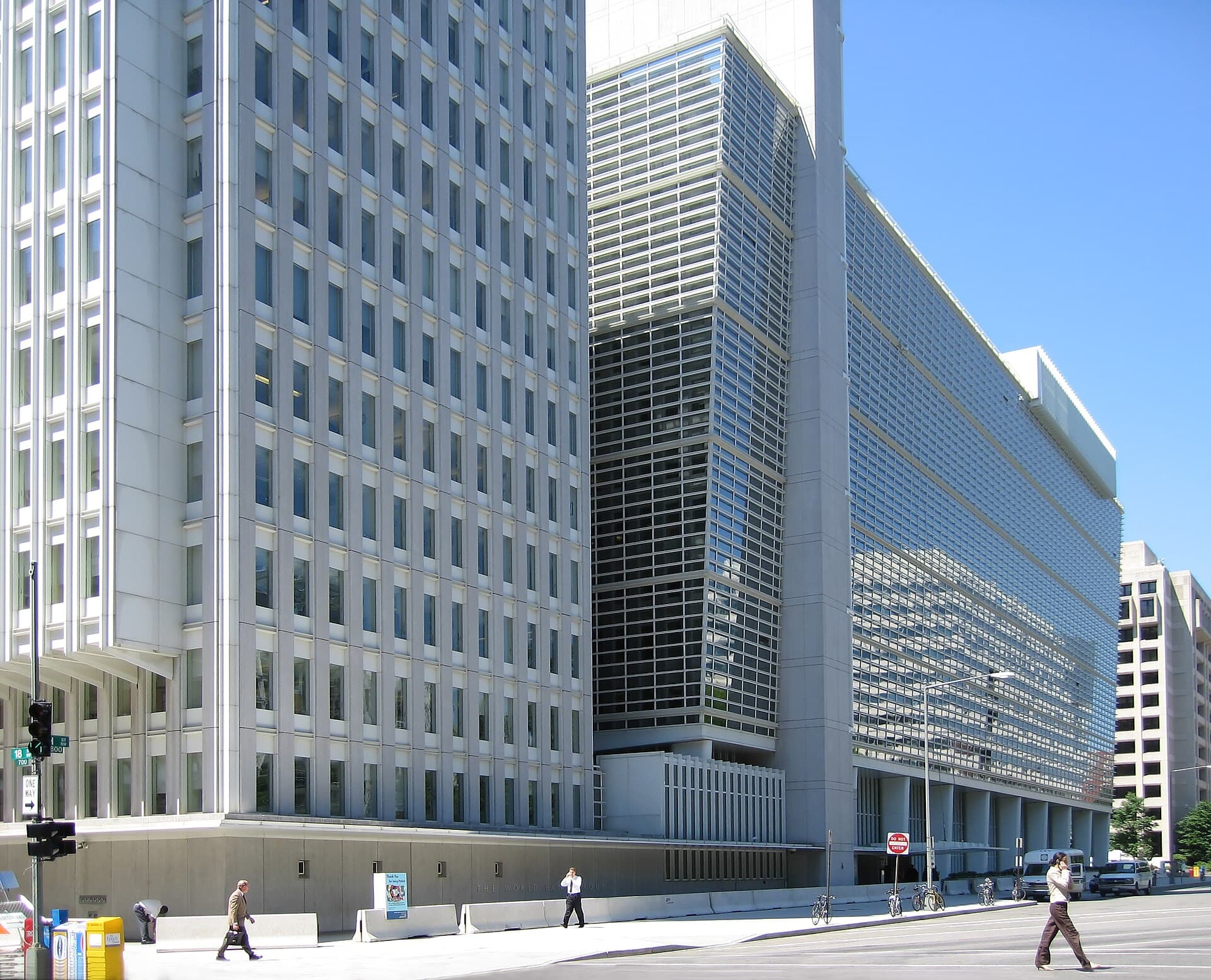
Punjab has digitised and notified 5,805 of its 6,014 revenue villages and registered almost 69.9 million land rights, putting land ownership on a searchable digital record for millions of owners. The World Bank, which funds the work, now rates the project's progress and implementation as "Highly Satisfactory", up from "Satisfactory".
The Punjab Urban Land Systems Enhancement Project, run by the Punjab Board of Revenue and the Punjab Land Records Authority, has linked 69.92 million land rights to the Land Records Management Information System against a closing target of 50.68 million. Women hold 31 percent of those registered rights, just short of the 32 percent target. Digital cadastral maps now cover 86 percent of the province, against a target of 61.8 percent, and 31.18 million person-based records have been converted into parcel-based records.
The exercise covers more than 24.4 million landowners. Some 7.57 million records were newly registered or updated by women, jointly or individually, beating the six million target. Of 1.747 million jointly owned landholdings eligible for partition, 495,163 have been divided, or 28 percent, creating about 1.18 million new parcels, including 94,833 in women's names. Under the Green Property Certificate initiative, 46,626 applications were received and 54,694 certificates issued.
On public land, the project has screened 933.5 hectares for housing against a 1,000-hectare target and identified 200 sites for development programmes, meeting that goal. Work remains on 182 villages, with 27 submitted for notification.
Money has moved more slowly than the work on the ground. Of a revised credit of USD 145.76 million, about USD 90.08 million, or 61.8 percent, had been disbursed by October 2026, leaving USD 55.68 million undisbursed. The project was approved on March 10, 2022, with an original allocation of USD 150 million. The World Bank kept its overall risk rating at "Moderate" and said the project had reached 90 percent physical progress, on track to finish by June 30, 2027.