Pakistan's 50-point tariff overhang lets duties drift far above its WTO ceiling
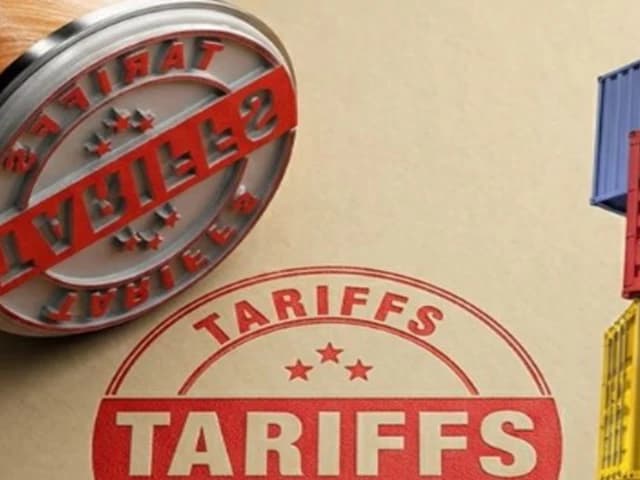
Pakistan's average applied tariff of 10.3% looks unremarkable next to Vietnam's 9.5% and Thailand's 9.9%. Its bound rate at the World Trade Organisation does not: 60.8%, a ceiling 50.5 percentage points above what the country actually charges on imports.
That gap, known as tariff overhang or water in the tariff, is the crux of the dispute over the National Tariff Policy 2025-2030. The WTO's World Tariff Profiles 2025 report only statutory customs duties, while the NTP's 20.2% baseline stacks regulatory duties and additional customs duties on top. Because Pakistan's WTO ceiling sits far above its applied rate, those para-tariffs remain largely WTO-legal, unlike in Vietnam and China, whose bound rates of 11.7% and 10% sit close to what they apply.
The overhang has a cost. It lets actual tariffs drift from the MFN rate Pakistan reports to the WTO through statutory regulatory orders and Finance Acts, making import costs unpredictable for firms building supply chains. Certain auto-sector products can face a 100% tariff while the group average is 22.5%, according to the analysis. The NTP narrows the gap between reported and applied rates by folding RDs and ACDs into simpler customs slabs, but it leaves bound rates untouched, so each cut can be reversed by the next Finance Act.
The comparison with Southeast Asia also understates the difference. About 60% of non-agricultural imports into Vietnam and Thailand enter duty-free, against 40% for Pakistan, and roughly 35% of Pakistan's non-agricultural imports face duties above 10%, versus about 16% for Vietnam and under 10% for Thailand. Pakistan's exports are also unusually home-made: foreign value added accounts for 8.5% of gross exports, against 37% in Vietnam and 29% in Thailand, ESCAP data show. Textiles, the most export-oriented sector, carries less than 9% foreign content, compared with more than 21% in Bangladesh.
The writer, an assistant professor of economics and research fellow at CBER, IBA, argues that locking in the reform requires rebinding tariffs closer to applied rates and pursuing deeper reciprocal free trade agreements. The manufacturing sector, the analysis concludes, would be the biggest beneficiary.