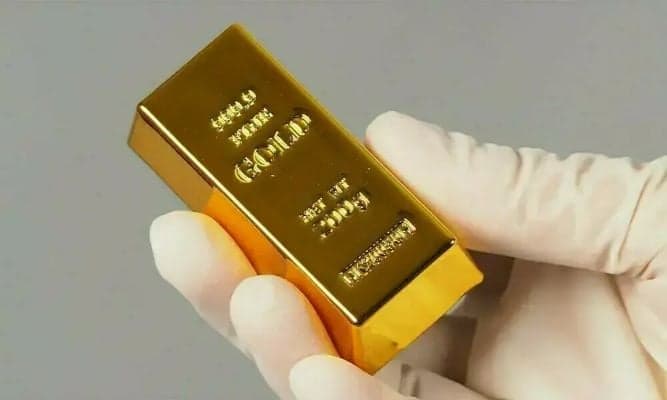
Pakistan's gold demand is already there, but 90% of trading bypasses formal channels
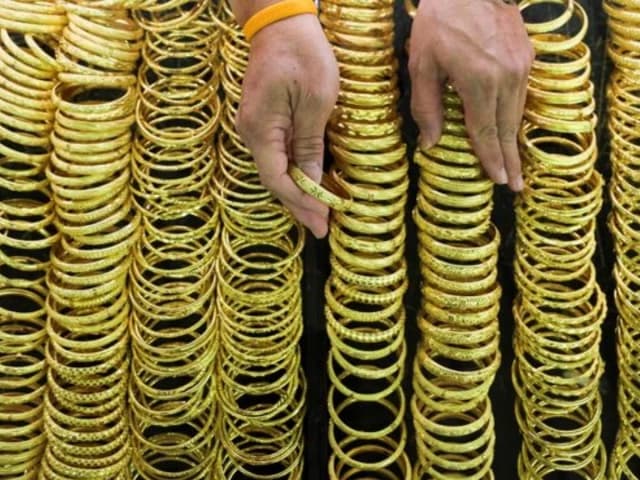
Pakistan's gold market is vast but almost entirely informal. The Competition Commission of Pakistan estimates annual gold consumption at 60 to 90 tonnes, with more than 90% of trading taking place outside formal channels, according to the chairman of the Pakistan Fintech Network. That means the demand for gold as savings, inflation hedge and emergency fund already exists in millions of households. The missing piece is a convenient, transparent way to buy small amounts, hold them safely and sell when needed.
The writer, who chairs the Pakistan Fintech Network, argues that a digital gold savings account could fill that gap. A customer could buy Rs1,000 of gold through a mobile wallet, with the money purchasing a fractional holding in physical gold held by an independent custodian. Subsequent purchases of Rs500 or Rs2,000 would add recorded weight to the account, letting savers accumulate according to available cash rather than the size of a gold coin or bar. The customer could then choose to take physical delivery when the balance reaches the required quantity, or sell part or all of the holding if a medical bill or school fee arises.
For lower-income households, four requirements matter: security, transparency, liquidity and trust. Security begins with the underlying asset: every gram credited to customers must be backed by an equivalent quantity of physical gold, independently held, insured and audited, with customer ownership legally separated from the platform's own assets. Transparency means showing the weight owned, its rupee value, purchase and sale prices and every applicable charge before a transaction. Liquidity is critical because low-income customers cannot predict when money will be needed. If buying takes seconds but selling involves unexplained delays, the product has failed an essential test.
Trust develops when these arrangements work consistently. The writer notes that women deserve particular attention because household ownership does not always mean individual control. An account should establish whose gold it is, who can sell it and where the proceeds go. The convenience of digital access should strengthen the owner's control, not introduce another intermediary between a woman and an asset that belongs to her.
Different models are possible: certificates recording fractional ownership of vaulted gold, or digital tokens representing that ownership. Both require appropriate regulatory approval, clear custody arrangements and customer protection. Blockchain may support record keeping, but the customer should not need to understand it to save. Distribution should use accounts and applications people already have, with banks, wallets and fintechs allowing small purchases manually or through regular savings instructions. A limited pilot should test these functions, including withdrawals during busy periods, before providers expand to millions of customers. For providers, the commercial test is equally important: small balances require low costs, efficient custody and sufficient transaction volumes. An expensive product will exclude precisely the customers it is intended to serve.