Rupee breaks past 93/dollar as $12bn November inflow lifts Indian stocks
The Indian rupee pushed past 93 to the dollar on Friday for the first time since April, closing the week at 92.67 after its strongest session since October 12. Foreigners have bought $12 billion of Indian shares so far in November, the largest-ever monthly inflow, against more than $60 billion of selling between September 2024 and October 2026.
The money arrived as investors moved out of AI-linked stocks: Asian shares logged their worst week since 2020, while India's benchmark Nifty 50 notched a fourth straight weekly gain. "More balanced global investor positioning and moderation in the oil price could see a sharp reversal in investor flows, to the benefit of the Indian stock market," said Edward Evans, portfolio manager at Ashmore Group.
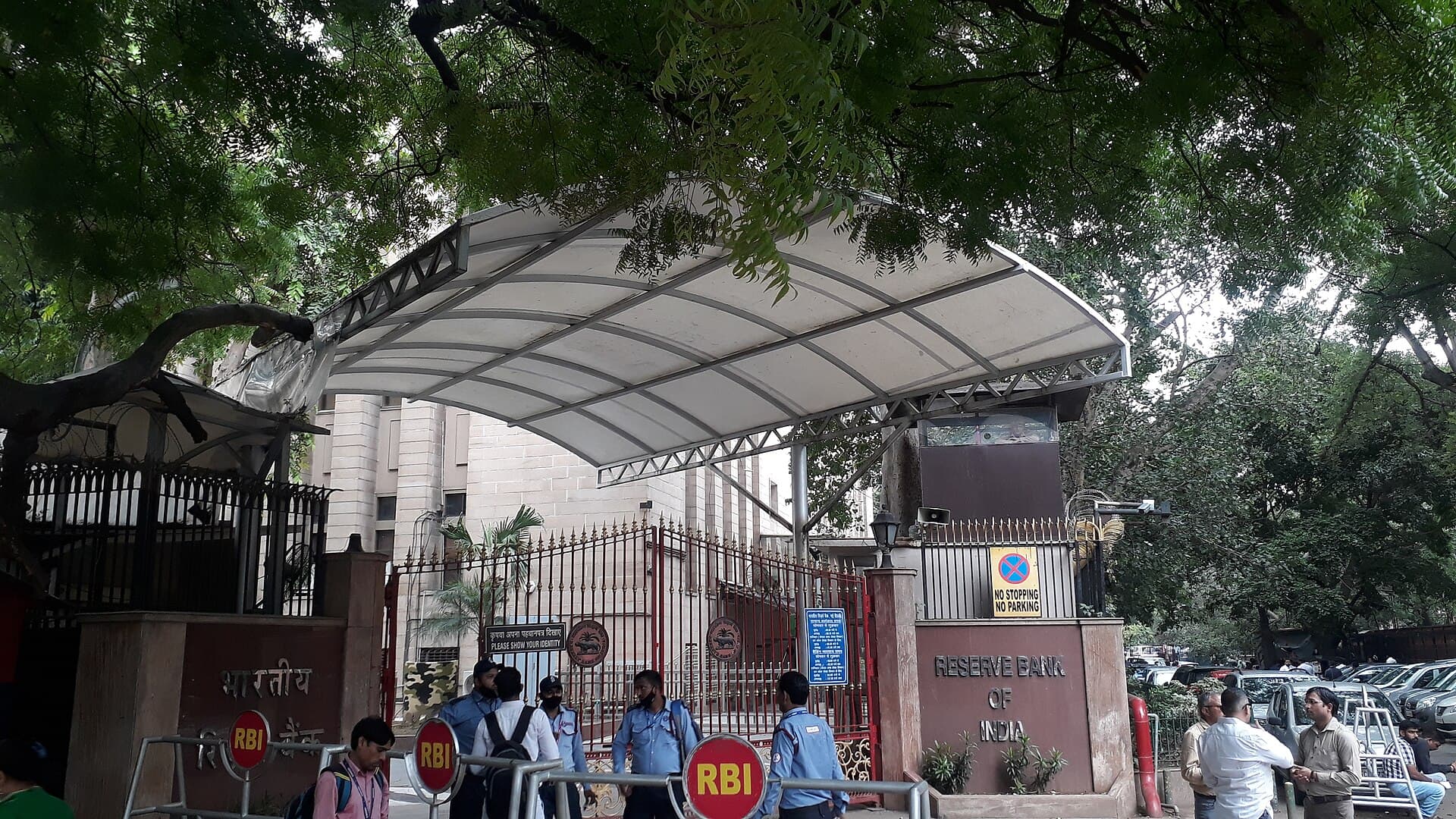
The surge in dollar supply met a currency whose demand the Reserve Bank of India had already worked to curb. Policymakers clamped down on speculative trades, courted capital from overseas Indians and moved crude import-related dollar demand out of the spot market. As the rupee neared a record low of 97 last month, RBI chief Sanjay Malhotra hinted monetary tightening could be used to support it.
Offshore hedge funds led an aggressive unwinding of bearish rupee wagers this week, four bankers said, lifting the currency to a rare premium in non-deliverable forward markets. Options pricing shows demand for bets on weakness has eased against bets on strength. "Importantly, the RBI is choosing to let the INR appreciate and not draw a floor by buying reserves to elicit a behavioural or expectation shift among exporters and offshore participants," said Dhiraj Nim, an economist and FX strategist at ANZ.
The recovery has cut the rupee's year-to-date losses to about 3%, from nearly 8% at its weakest point in May. Analysts say a sustained rebound could reverse the capital-outflow weakness that has eroded returns for foreign investors.