Taiwan short selling jumps 60% as AI bubble fears grip markets
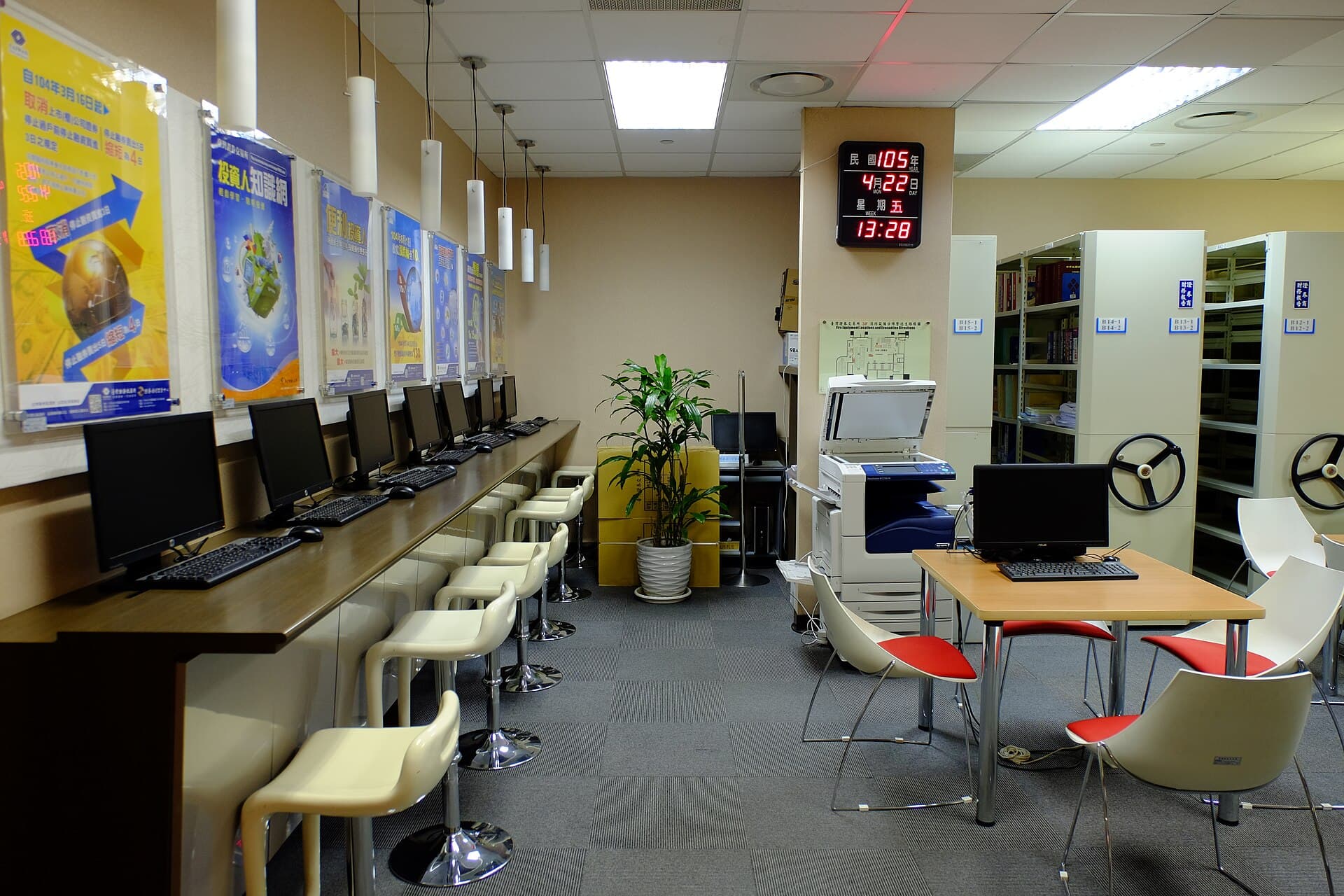
Short selling on the Taiwan Stock Exchange has jumped more than 60% since new trading rules took effect on 16 November, as worries about an artificial intelligence bubble and climbing bond yields unsettle global equities.
Short-selling value rose to NT$137 billion on 13 November from NT$80 billion on 16 November, counting for 2.67% of total market turnover, exchange president Asada Kongsirisuk said. The figure reached NT$71.2 billion on 18 November, or 11.4% of turnover, and the exchange's index stood at 1,544.87 points at 2:30pm, down 26.68 points or 1.28%, with trading value of NT$2.4 billion.
Asada said the rise should not be read as a reason for falling share prices, noting that equities had declined far less than several regional markets. Short selling had risen from its normal 2–3% of daily trading value to more than 10%, he said, adding that investors would keep using such strategies even without the new rules. Rising bond yields above 5% have added to the pressure, with expectations that the US Federal Reserve could raise interest rates in December unsettling investors further.
Pitch Sithi-Amnuai, chairman of the Association of Securities Companies, said the new trading rules were not the main factor behind either the increase in short selling or the market downturn. He said short-selling activity depended largely on investors' trading strategies, capabilities and market momentum, and that the broader market direction was mainly driven by external factors including US interest-rate expectations and volatility in international markets.
Taiwan's Financial Supervisory Commission said it had adopted a measured approach to strengthening trading safeguards, taking international standards and investor confidence into consideration. The exchange has studied potential regulatory changes for about a year and consulted international organisations including index provider MSCI, it said, while noting that an uptick rule can be triggered for individual stocks when their prices fall 10%, and that short selling is permitted only in securities included in the TAIEX under the existing framework.