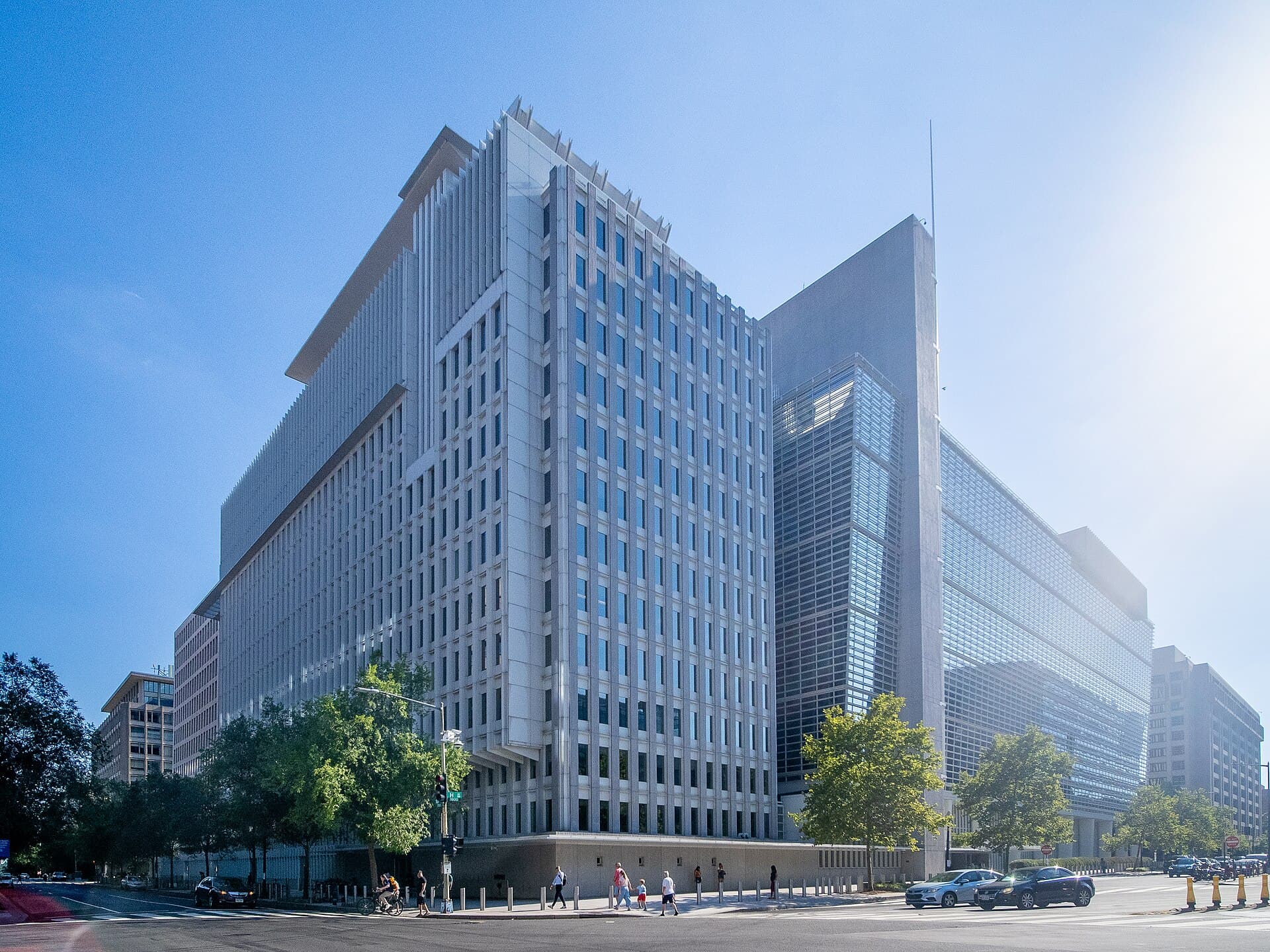
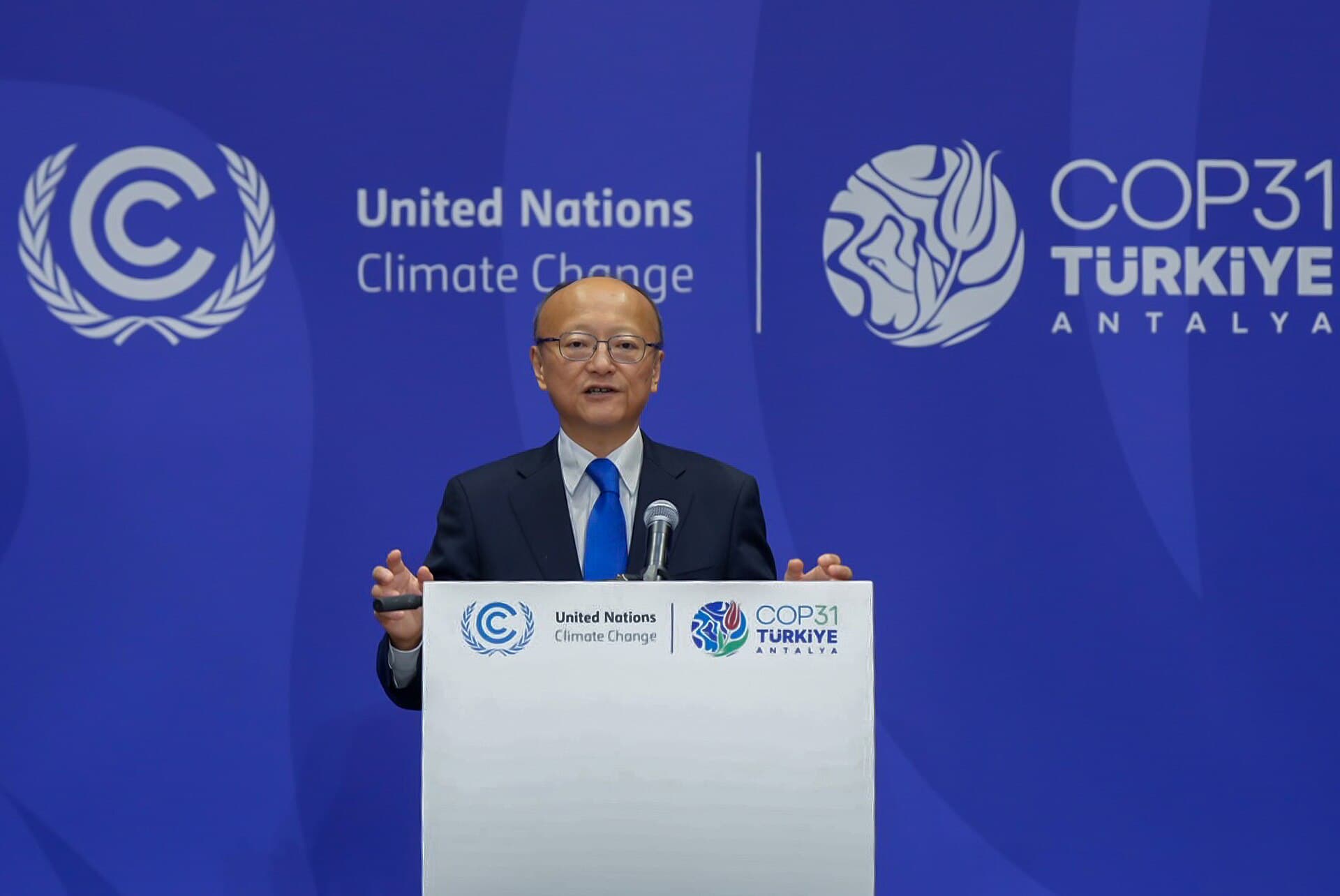
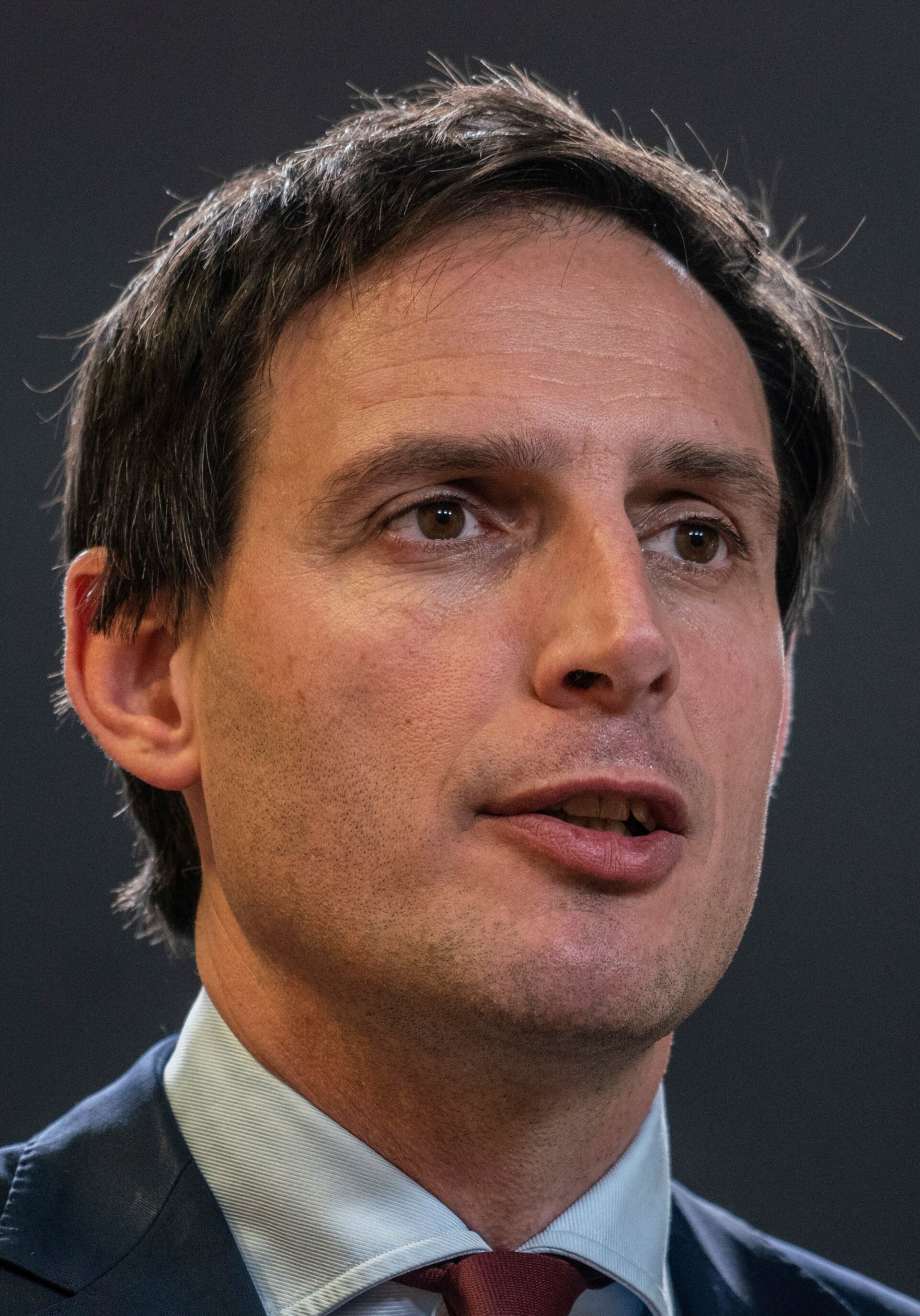
World Bank: governments should step in only when markets fail on climate resilience
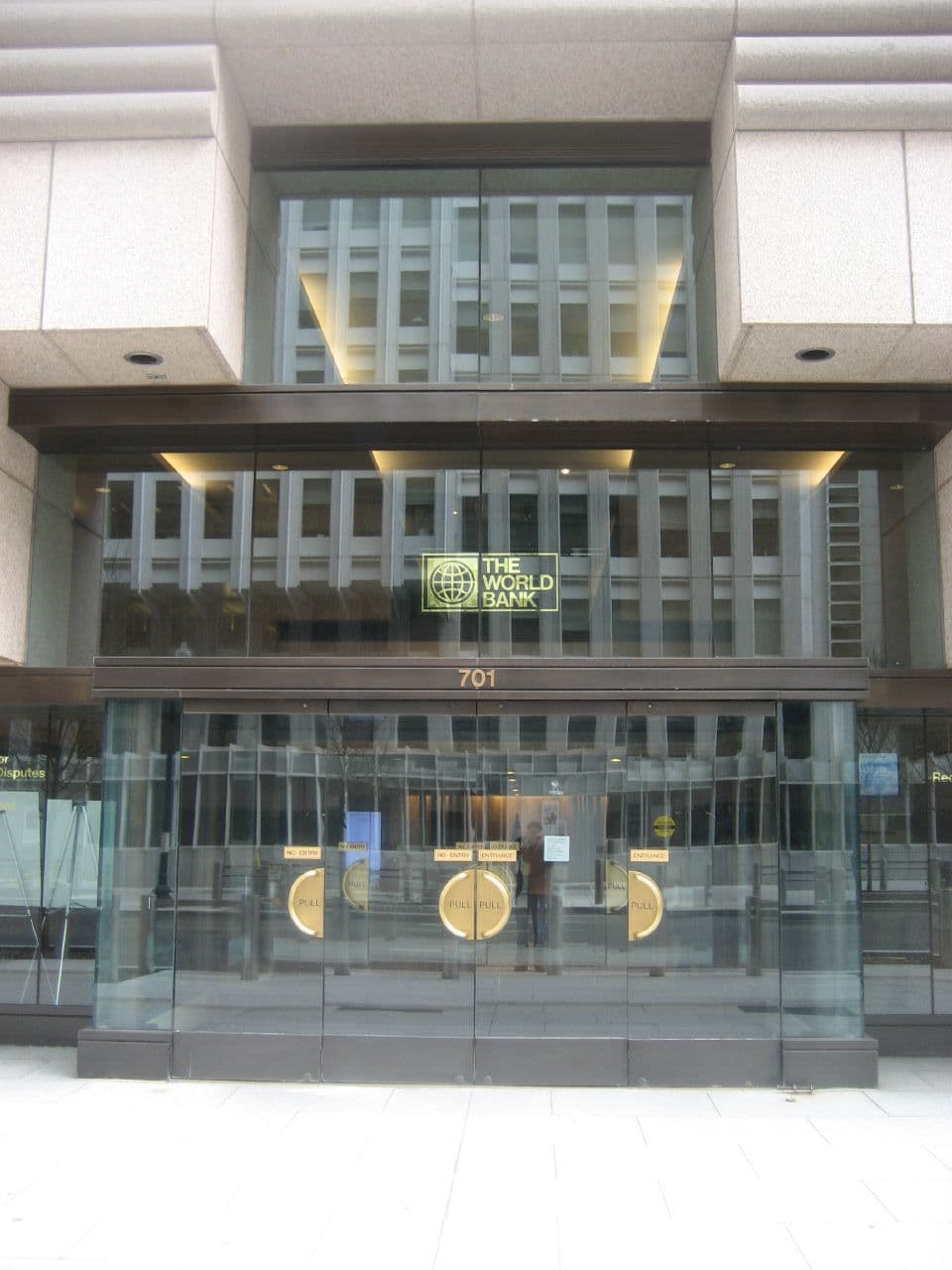
Governments should concentrate climate-resilience spending on the gaps markets cannot fill, a World Bank economist said, backing targeted subsidies and social protection over blanket support.
Jaffar Al-Rikabi, the bank's senior country economist for the Philippines, told the BusinessWorld Forum 2027 that the state's role covers market failures, public goods and protection for vulnerable people. "You don't want to subsidize everything, but you want to provide targeted subsidies and support," he said.
He pointed to weak delivery of public works as a drag in the Philippines, where a flood control corruption scandal surfaced in 2025. "What we want to see is scaled-up implementation of public investment projects," he said, adding that social programmes need better targeting and wider coverage.
On the private side, Al-Rikabi said firms should seek out adaptation projects that are commercially viable and build physical climate risks into their lending decisions.
Climate scientist Glenn S. Banaguas named seven priority areas for business: food security, sustainable energy, water sufficiency, human and health security, ecological and environmental stability, climate-smart infrastructure and capacity-building in climate knowledge. "My recommendation to the private sector is to probably choose a priority area that is most aligned to their vision and mission," he said.