
Pakistan finance minister flags Gulf energy risk and outlines debt plans
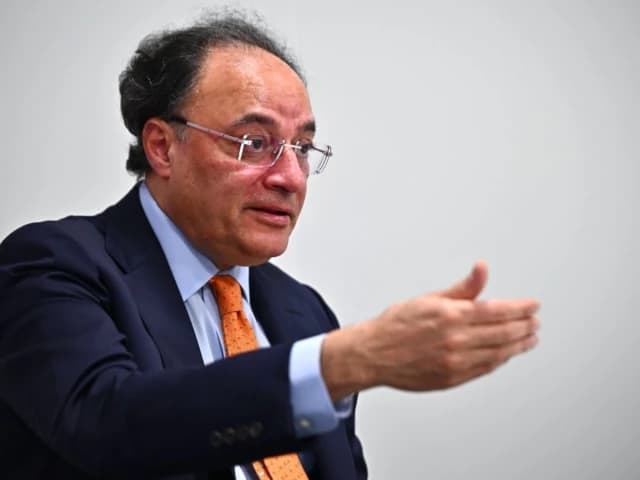
Pakistan is exploring possible Eurobond tokenisation alongside fresh Sukuk and Panda bond issuance, Finance Minister Muhammad Aurangzeb said during a series of meetings with international banks and the International Monetary Fund at the Fund's annual meetings in Bangkok, according to a government statement issued on Saturday. The discussions, held with delegations from Sharjah Islamic Bank, Abu Dhabi Commercial Bank, Ajman Bank and JP Morgan, covered rupee-denominated dollar-settled instruments and the replacement of costly short-term debt with longer maturities without raising overall external debt.
The finance minister also told Agence France-Presse that Pakistan had so far absorbed the energy price shock from the war on Iran, having procured enough supply to last through November. "We've had no shortage, no queues at the gas stations, and no law and order situation," he was quoted as saying. He said the government would avoid spot LNG cargoes unless there was "an absolute dire need", given their cost relative to contracted shipments.
Aurangzeb said damage to energy infrastructure in Saudi Arabia and other Gulf states was the more serious concern. "What is now the worrying part of it is when the energy infrastructure starts getting hit," he said, adding that if the infrastructure continues to get hit, the return to normalcy, even if things subside, will take longer. The Houthis in Yemen have repeatedly attacked Saudi energy facilities and airports in recent days, AFP reported.
On fiscal policy, the minister said Pakistan had been on a consolidation path for some time, with tax revenues growing significantly in recent years. He said the government was targeting businesses that collect sales tax from consumers but do not deposit it with the state, describing the sums involved as running into billions of dollars, and said there was "room for improvement" in income tax collection. He acknowledged pushback from industry and lobbying groups against the reform agenda.
Pakistan is in the 25th IMF programme of its history, totalling about $7 billion over three years, with the Fund agreeing this month to release a $1.2 billion tranche. Asked about commercial enterprises run by the military, Aurangzeb said they operate on a standalone and profitable basis and receive no funds from the exchequer. Separately, he met UNDP Administrator Alexander De Croo to discuss development financing, blended finance and potential debt-for-nature and debt-for-climate swaps, and IMF Middle East and Central Asia director Jihad Azour to review revenue mobilisation, inflation, growth and the current account.

