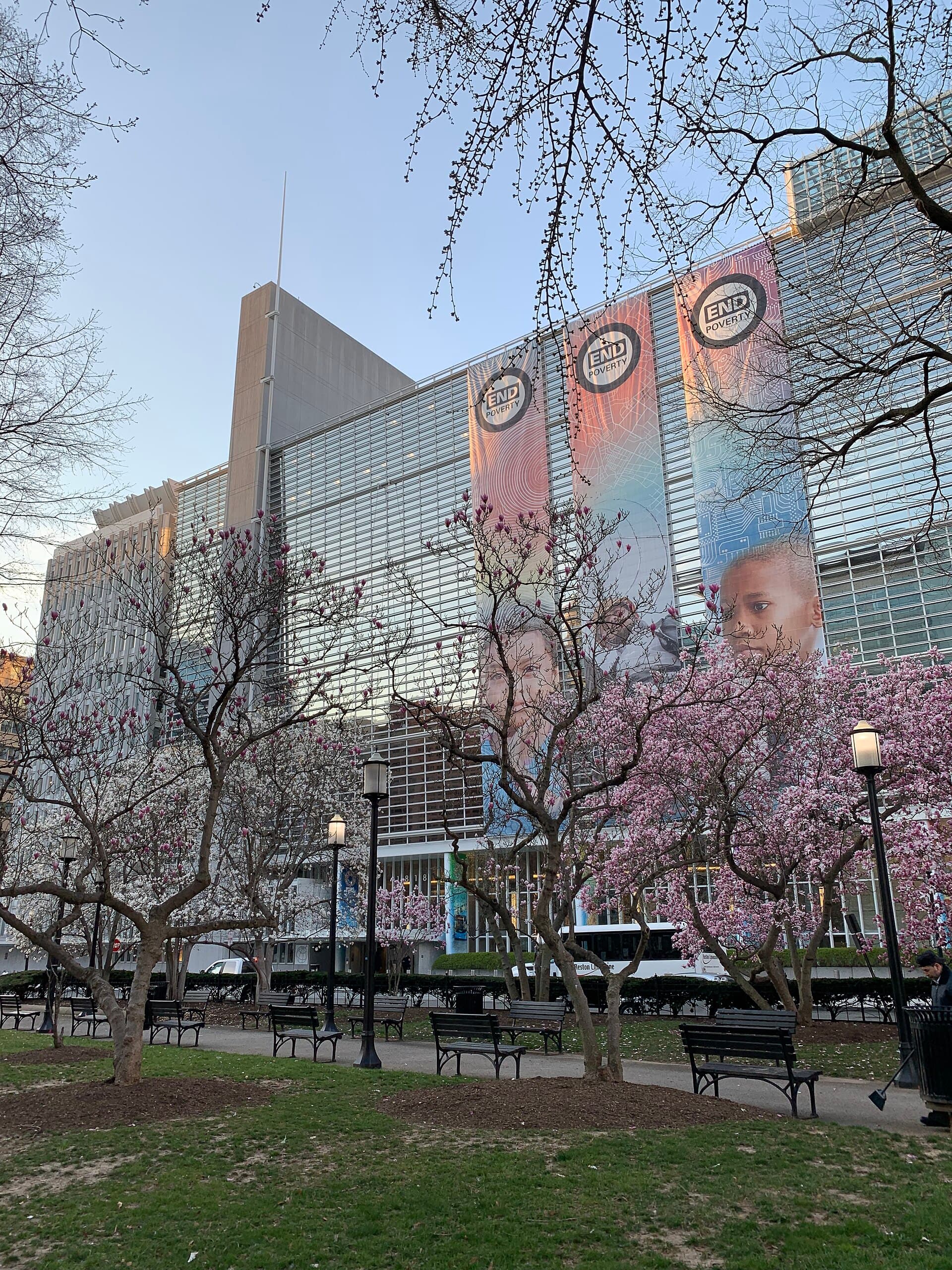
World Bank says it mobilised $3.2bn in private capital for Pakistan since 2022

The World Bank Group says it has mobilised nearly USD 3.2 billion in private capital for Pakistan since 2022, drawing on its own financing and guarantees to bring in international lenders, domestic banks and private investors. The group reported a record USD 112 billion in private capital mobilisation for developing countries in fiscal year 2026, more than triple the USD 35 billion it recorded in fiscal year 2022.
Its main example in Pakistan is the Dasu Hydropower Project, being developed by the Water and Power Development Authority with World Bank Group support. According to the Bank, an initial USD 588 million credit from the International Development Association, its concessional financing arm, and a USD 460 million World Bank guarantee helped mobilise USD 338.5 million from international lenders and Rs144 billion from a consortium of domestic banks. The first stage of Dasu is expected to add 2,160 megawatts of generation capacity, alongside local employment, services and economic activity.
The Bank also cited the Punjab Green Development Programme, under which the provincial government sought to strengthen environmental governance and encourage cleaner production technologies. Supported by a USD 200 million IDA credit, the programme mobilised USD 102.7 million in green investment, of which USD 52.7 million was private capital, the Bank said. It reported that 98 small and medium enterprises and 653 microenterprises adopted cleaner technologies and that around 1,600 jobs were created.
Private capital mobilisation has become a focus for developing countries facing infrastructure, climate adaptation and social development needs that public budgets and multilateral financing alone cannot meet, the Bank said, describing an approach built on structuring viable projects and reducing investment risk through financing, guarantees and partnerships. For Pakistan, the Bank says greater private investment could ease pressure on public resources while supporting energy security, industrial modernisation, environmental protection and employment. It notes that the scale of the benefit depends on whether the financing translates into productive investment, sustainable jobs and improved public services.
The investments form part of the World Bank Group's ten-year Country Partnership Framework for Pakistan, covering fiscal years 2026 to 2035, which the Bank says prioritises human capital development, private-sector-led growth and stronger economic, social and environmental resilience.
Image: AgnosticPreachersKid / CC BY-SA 3.0