SBP lifts policy rate to 12% as economists warn more hikes may follow
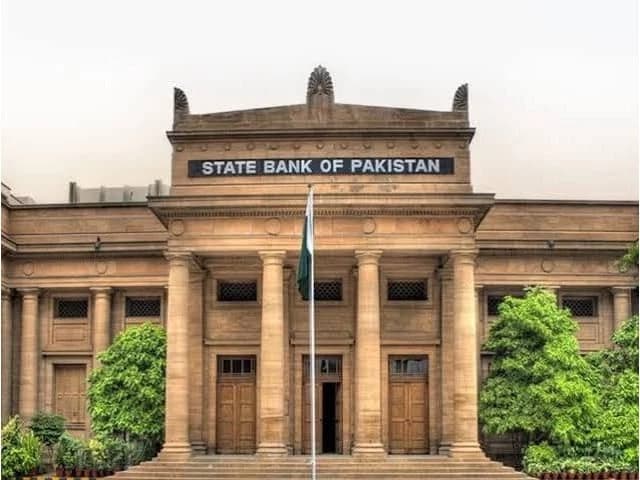
Pakistan's central bank raised its policy rate by 50 basis points to 12%, lifting borrowing costs even as inflation runs at 10.3% and economists warn the move may not be the last. The Monetary Policy Committee's decision, its first change since holding the rate at 11.5% since April 2026, was driven by double-digit inflation, a fresh surge in global oil prices and fears of a prolonged US-Iran conflict, according to Dr Sajid Amin Javed, deputy executive director of the Sustainable Development Policy Institute (SDPI) and founding head of its Policy Solutions Lab.
Dr Abid Qaiyum Suleri, an SDPI economist, said the increase reflected growing concern over energy and food prices, with the central bank seeking to stop temporary supply shocks from becoming entrenched. He expects energy prices to stay elevated amid fears of another wave of US-Israeli attacks on Iran after the US midterm elections and possible Iranian retaliation against Gulf neighbours. That leaves little room for easing: Suleri sees monetary policy staying tight, with rate cuts unlikely unless energy prices stabilise and inflation falls on a sustained basis.
Javed said the hike was expected and consistent with a cautious approach of small adjustments that signal the central bank's commitment to price stability. But he warned that if conflict fears persist and oil stays high, the SBP could raise rates gradually over the next three to four months, further slowing an already sluggish economy, though the rate would not return to its previous peak. He projects average headline inflation of 11-13% in fiscal year 2026-27 and growth below 3.5%, against the SBP's own projection of 3.5-4.5% for fiscal 2027.
Dr Nasir Iqbal, professor of economics and registrar at the Pakistan Institute of Development Economics (PIDE), argued that holding the rate at 11.5% would have been more balanced. Citing PIDE's Monetary Policy Assessment for October 2026, he said price pressures stem mainly from supply-side constraints - energy, food and external shocks - which higher rates cannot directly address. Instead, tighter conditions raise business borrowing costs, discourage private investment and increase the government's debt-servicing burden, he said, urging the SBP to avoid further increases unless inflation is clearly broad-based and persistent.
The three assessments lay out the central bank's dilemma: persistent inflation and uncertain global energy prices argue for keeping the policy rate elevated, while the cost of credit threatens investment, employment and the recovery. Much will depend on whether geopolitical tensions ease and energy prices settle enough for inflation to decline.